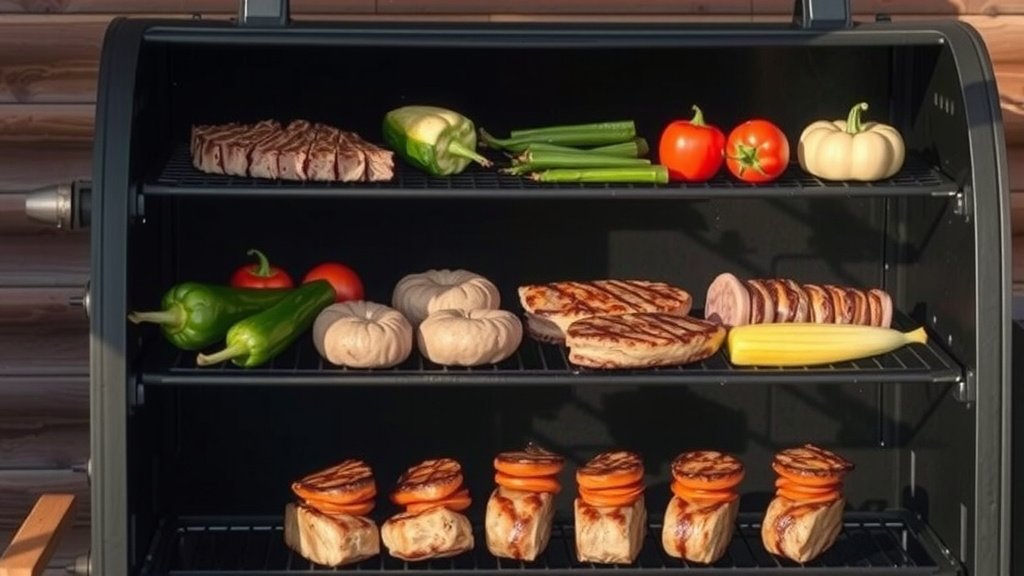
Cooking on a smoker grill involves a low-and-slow heat method that transforms tough cuts of meat into incredibly tender, flavorful meals.
To cook on a smoker grill effectively, you need to manage consistent low temperatures, often between 225°F and 275°F, and use wood for smoke flavor over several hours.
- Cooking on a smoker grill requires patience and temperature control for amazing results.
- Start by choosing your smoker and the right wood for the best flavor.
- Prepare your meat with rubs or brines to enhance taste and moisture.
- Maintain consistent low temperatures and monitor internal meat doneness with a reliable thermometer.
- Always rest your meat after smoking to lock in juices and tenderness.
How To Cook On A Smoker Grill?
Cooking on a smoker grill means creating delicious, tender food through indirect heat and smoke. You are essentially slow-roasting your food while infusing it with wonderful wood flavors.
This method breaks down tough fibers in meat, making it incredibly juicy and flavorful. It’s a rewarding process that yields fantastic meals.
Why Smoke Your Food?
Smoking food adds a depth of flavor that grilling alone cannot provide. The slow cooking process also makes meat incredibly tender, falling right off the bone.
Many experts say smoked foods develop a unique “bark” or crust on the outside (AmazingRibs.com). This crust is packed with savory, smoky flavors.
Choosing Your Smoker Grill
Several types of smoker grills exist, each with its own advantages. You might choose between pellet, offset, or electric smokers based on your budget and preference for control.
Pellet smokers, for instance, are known for their ease of temperature management. They use wood pellets for consistent heat and smoke production (Traeger Grills research found).
Essential Smoker Gear You’ll Need
To cook on a smoker grill, you’ll need a few key tools. A reliable meat thermometer is crucial for food safety and doneness. An instant-read thermometer is also very helpful.
You’ll also need your chosen fuel source, like wood chunks or pellets. A water pan is often used to maintain moisture in the cooking chamber.
Prepping Your Meat for the Smoker
Proper meat preparation makes a big difference in the final product. Trimming excess fat can prevent flare-ups and improve bark formation.
Applying a rub or dry brine to your meat hours before smoking helps to build flavor and retain moisture. Don’t be shy with the seasoning!
Wood Choices for Amazing Flavor
The type of wood you use greatly impacts the smoke flavor. Different woods pair better with different foods.
For example, hickory and mesquite offer strong flavors, great for beef and pork. Fruitwoods like apple and cherry give a milder, sweeter smoke, perfect for chicken or fish (Meathead Goldwyn advises).
Understanding Smoker Temperature Control
The goal of smoking is “low and slow” cooking. This usually means maintaining a temperature range of 225°F to 275°F.
Consistent temperature is king. Fluctuations can lead to dry meat or uneven cooking. Practice makes perfect in managing your smoker’s heat.
The Role of a Water Pan
A water pan inside your smoker does two important jobs. It adds moisture to the cooking environment, which keeps your meat from drying out.
It also helps to stabilize the smoker’s temperature. The water absorbs heat, creating a more consistent cooking environment around your food.
The Art of Adding Smoke
You want “thin blue smoke,” not thick white smoke. Thin blue smoke indicates a clean burn and delivers pleasant flavors. Thick white smoke often means poor combustion and can give your food a bitter taste.
Don’t add too much wood too quickly. A little smoke goes a long way to flavor your food perfectly.
Monitoring Your Cook Like a Pro
You can’t tell if meat is done by looking at it. An accurate internal temperature probe is your best friend here. Insert it into the thickest part of the meat, avoiding bones.
Many experts emphasize monitoring the internal temperature constantly. This ensures your food reaches safe doneness while staying juicy (USDA guidelines).
| Meat Type | Target Internal Temperature | Resting Time |
|---|---|---|
| Beef Brisket | 200-205°F | 60-120 minutes |
| Pork Butt/Shoulder | 200-205°F | 45-90 minutes |
| Whole Chicken | 165°F (breast) | 15-20 minutes |
| Ribs (St. Louis/Baby Back) | 195-203°F (tender) | 10-15 minutes |
Resting Your Smoked Masterpiece
Once your meat reaches its target temperature, resist the urge to cut into it immediately. Resting is vital for juicy results.
This resting period allows the muscle fibers to relax and redistribute the juices. Cutting too soon will let all those delicious juices escape onto your cutting board.
Common Smoker Grill Mistakes to Avoid
A frequent error is opening the smoker lid too often. “If you’re looking, you’re not cooking!” Every time you open it, heat escapes, extending cook time and affecting consistency.
Another mistake is using too much wood. Over-smoking can lead to an acrid taste. Find a good balance for the perfect smoke flavor.
Simple Checklist for Your First Smoke
-
Choose your meat and apply a rub/brine.
-
Select the right wood for your desired flavor.
-
Preheat your smoker to the target temperature (225-275°F).
-
Add a water pan for moisture and temperature stability.
-
Insert a reliable meat thermometer into your food.
-
Resist opening the lid often; trust your thermometers.
Conclusion
Cooking on a smoker grill is a rewarding experience that produces incredibly flavorful and tender food. By understanding temperature control, wood choices, and proper meat preparation, you can achieve fantastic results.
Patience is key, as is a good thermometer. With practice, you’ll soon be impressing everyone with your delicious smoked creations. Enjoy the process and the amazing meals!
What is the ideal temperature range for most smoking?
For most smoking projects, the ideal temperature range is generally between 225°F and 275°F. This “low and slow” approach allows connective tissues to break down, resulting in tender meat.
How do I prevent my meat from drying out in a smoker?
To prevent meat from drying out, use a water pan in your smoker to add humidity to the cooking environment. You can also spritz your meat with apple cider vinegar or water during longer cooks to keep it moist.
Can I use any type of wood for smoking?
No, not all wood is suitable for smoking. You should only use hardwoods like hickory, apple, cherry, oak, or mesquite. Avoid softwoods like pine or cedar, which contain resins that can produce an unpleasant flavor and potentially be harmful.
How important is a meat thermometer when smoking?
A reliable meat thermometer is incredibly important, arguably the most crucial tool. It allows you to monitor the internal temperature of your food, ensuring it reaches safe doneness and achieves the desired tenderness without overcooking.
Should I flip or turn my meat during smoking?
Generally, you don’t need to flip or turn meat often when smoking. Smokers cook with indirect heat, providing a consistent temperature around the food. Too much opening of the lid, as research shows, lets heat escape and prolongs cooking time.