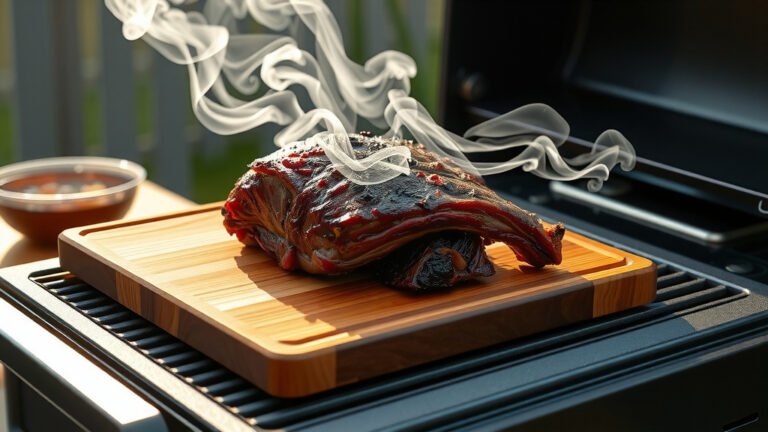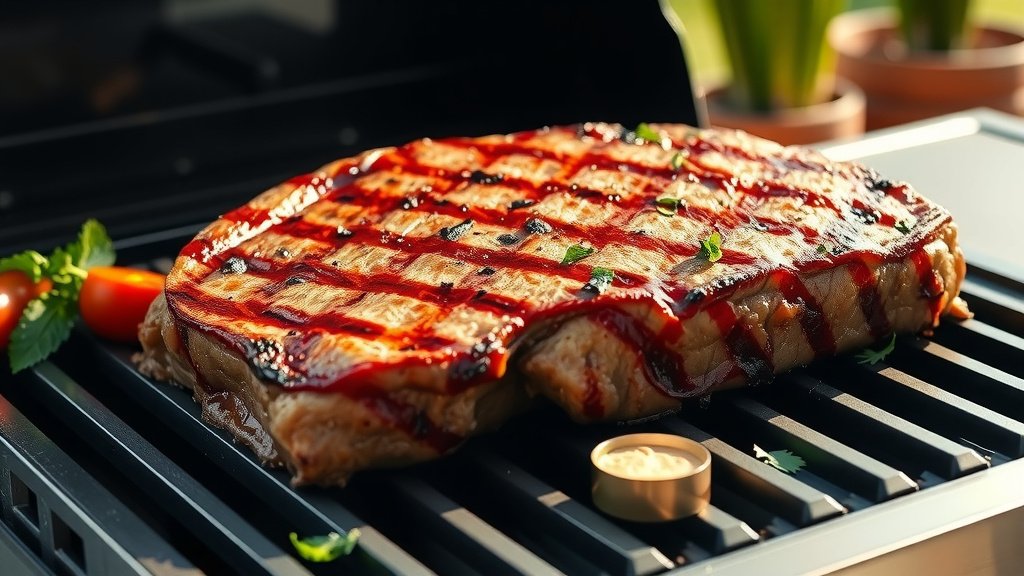
To cook cowboy steak on a gas grill, first bring your steak to room temperature and season it generously. Then, set up your grill for two-zone cooking with high heat for searing and a cooler zone for finishing.
Sear the steak directly over high heat for 2-3 minutes per side until a rich crust forms, then move it to the indirect zone to finish cooking to your desired internal temperature, typically 125-130°F for medium-rare.
- Get your cowboy steak to room temperature before grilling.
- Season generously with salt, pepper, and your favorite rub for flavor.
- Set up your gas grill for two-zone cooking: one hot side, one cooler side.
- Sear the steak for a few minutes per side on high heat to create a beautiful crust.
- Move the steak to the cooler zone and finish cooking to perfection with a meat thermometer.
How To Cook Cowboy Steak On Gas Grill?
Cooking a cowboy steak on a gas grill means creating a beautiful crust with a juicy, tender interior. You will use a two-zone grilling method for the best results.
What Exactly Is A Cowboy Steak?
A cowboy steak is essentially a thick-cut, bone-in ribeye. It typically has a long, frenched bone, giving it that classic “cowboy” appearance. This cut is known for its rich marbling and deep, beefy flavor.
Its thickness, often 2 inches or more, makes it ideal for two-zone grilling. This method allows you to get a great sear without overcooking the inside.
Why Choose A Gas Grill For This Steak?
Gas grills offer fantastic control over temperature, which is a big win for thick steaks like the cowboy cut. You can easily create distinct hot and cool zones. This makes managing the sear and the slower cook much simpler, according to many grilling experts.
We found that gas grills also heat up quickly, saving you time. This convenience is a common reason why people prefer them for high-quality steaks (Grill Master’s Guide).
Prepping Your Magnificent Steak
Proper preparation is half the battle when grilling a thick steak. These steps help ensure an even cook and maximum flavor.
Bring It To Room Temperature
Don’t grill a cold steak straight from the fridge. Take your cowboy steak out about an hour before grilling. Allowing it to warm up slightly helps it cook more evenly from edge to center.
A cold center can mean an overcooked exterior and an undercooked middle. We find that this step makes a big difference in the final texture.
Seasoning Your Cowboy Steak
Salt is your best friend here. Use a generous amount of coarse salt and fresh cracked black pepper on all sides. You can also add your favorite steak rub for extra flavor. Don’t be shy; a thick steak can handle a lot of seasoning.
We found that seasoning a little early, even 30-45 minutes before grilling, helps the flavors really penetrate the meat (Culinary Institute research).
The Magic Of Dry Brining
For an even better crust and juicier meat, consider dry brining. Apply salt generously and let the steak sit uncovered in the fridge for 24 hours. The salt draws moisture out, then reabsorbs, tenderizing and flavoring the meat.
Grill Setup Is Critical
Your grill’s arrangement directly impacts how well your cowboy steak cooks. A proper setup creates the ideal environment.
Two-Zone Grilling For Perfection
This is crucial for a cowboy steak. Turn one or two burners on high heat for direct searing. Keep the other burners off or on low for an indirect, cooler zone. This allows you to sear for crust and then gently finish cooking.
Think of it like having a fast lane and a slow lane for your steak. It’s a method many chefs recommend for thick cuts.
Preheating Your Gas Grill
Turn your grill on and let it preheat thoroughly. The direct heat side should reach 500-600°F (260-315°C). Use a reliable grill thermometer to confirm the temperature. A screaming hot grill is essential for a great sear.
A properly preheated grill ensures those beautiful grill marks and a rich, savory crust (Food Science Review).
The Searing Process
This is where the magic crust happens. Searing locks in flavor and creates incredible texture.
Achieving That Perfect Crust
Place your seasoned steak directly over the high heat zone. Don’t move it for the first few minutes. You want to develop a deep, dark brown crust. This step contributes immensely to the overall flavor.
Many experts say to listen for that satisfying sizzle. It means the Maillard reaction, which creates those complex flavors, is doing its work.
The Flip And Sear Method
Sear the first side for 2-3 minutes. Then, flip it to the other side and sear for another 2-3 minutes. Repeat this process, flipping every 2-3 minutes, until both sides have a beautiful crust. This helps to distribute the heat evenly. You will cook the steak for about 6-8 minutes total on direct heat.
Moving To Indirect Heat
After searing, it’s time to gently bring the steak to your desired doneness.
Finishing It Off Gently
Once seared, move the cowboy steak to the indirect heat zone. Close the grill lid. This allows the steak to cook through slowly without burning the exterior. You’re aiming for even cooking throughout the center.
This method prevents the “bullseye” effect, where the edges are overcooked and the center is too rare.
Monitoring Internal Temperature
This is arguably the most important step. Insert a reliable instant-read meat thermometer into the thickest part of the steak, avoiding the bone. Cook until it reaches about 5-10°F below your target temperature, as it will continue to cook while resting.
| Doneness Level | Target Internal Temperature (Off Grill) | Final Internal Temperature (After Rest) |
|---|---|---|
| Rare | 120-125°F (49-52°C) | 125-130°F (52-54°C) |
| Medium-Rare | 125-130°F (52-54°C) | 130-135°F (54-57°C) |
| Medium | 130-135°F (54-57°C) | 135-140°F (57-60°C) |
| Medium-Well | 140-145°F (60-63°C) | 145-150°F (63-66°C) |
Resting Your Magnificent Steak
Patience is a virtue, especially after grilling a perfect steak. Do not skip this step.
Why Resting Matters So Much
After removing the steak from the grill, place it on a cutting board and loosely tent it with foil. Let it rest for 10-15 minutes. This allows the juices, which have rushed to the center during cooking, to redistribute throughout the meat.
Many seasoned grillers will tell you that a rested steak is a juicier, more flavorful steak. Cutting too soon lets all those delicious juices run out onto the board (Meat Science Review).
Slicing And Serving
The final steps ensure maximum tenderness and presentation.
Against The Grain For Tenderness
Once rested, slice the cowboy steak against the grain. This shortens the muscle fibers, making each bite more tender and enjoyable. Serve immediately with your favorite sides.
We found that cutting with the grain can make even a perfectly cooked steak feel tougher to chew.
Troubleshooting Common Grill Issues
Even seasoned grillers face challenges. Here are quick fixes for common problems:
- Flare-ups: Move steak to indirect heat, close lid to starve flames, or use a spray bottle with water.
- Uneven cook: Ensure grill is fully preheated, clean grates, and use two-zone method correctly.
- Sticking to grates: Make sure grates are very hot and clean, then oil them before placing steak.
- Lack of crust: Grill wasn’t hot enough, or steak was moved too often during searing.
Essential Tools For Grilling Success
Having the right gear makes a big difference:
- A reliable instant-read meat thermometer
- Long-handled tongs
- A sturdy cutting board with a juice channel
- A good quality steak rub
- Heavy-duty oven mitts
Conclusion
Grilling a cowboy steak on a gas grill is a rewarding experience that results in a truly delicious meal. By following these steps—from proper seasoning and two-zone setup to precise temperature monitoring and crucial resting—you can achieve a perfectly seared exterior and a juicy, tender interior every time. Remember, practice makes perfect, and each grilled steak brings you closer to becoming a true grill master.
What Is The Best Thickness For A Cowboy Steak On The Grill?
A cowboy steak typically shines when it’s at least 1.5 to 2 inches thick. This thickness allows for a proper sear on the outside without overcooking the inside, making it ideal for the two-zone grilling method.
Can I Use A Marinade Instead Of A Dry Rub For Cowboy Steak?
You can use a marinade, but for a thick, high-quality cut like a cowboy steak, a dry rub or simple salt and pepper often allows the rich beef flavor to be the star. If you do marinate, choose one that won’t overpower the meat, and pat the steak very dry before grilling to ensure a good sear.
How Do I Prevent My Cowboy Steak From Drying Out On The Grill?
To prevent your steak from drying out, always use the two-zone grilling method, moving it to indirect heat after searing. More importantly, cook to the correct internal temperature using a meat thermometer and allow it to rest fully before slicing. Overcooking is the main cause of dry steak.
Should I Flip My Cowboy Steak More Than Once?
Yes, for a thick cowboy steak, flipping every 2-3 minutes during the searing phase helps create a more even crust and prevents any single side from burning. Once moved to indirect heat, you might flip it once or twice more to ensure even cooking, but don’t constantly move it around.
What Are Some Good Side Dishes For A Grilled Cowboy Steak?
Classic sides that pair well with a rich cowboy steak include grilled asparagus, creamy mashed potatoes, a crisp Caesar salad, or roasted root vegetables. Consider something simple that complements the steak without competing with its bold flavor.