To cook a brisket on a Traeger pellet grill, start by trimming excess fat, applying a good rub, then smoke it at 225°F until it reaches an internal temperature of around 165°F. Wrap the brisket in butcher paper and continue cooking at 275°F until it’s probe-tender, typically between 200-205°F, then let it rest extensively.
This method, often called the “low and slow” approach, ensures a tender, juicy brisket with a beautiful smoke ring, making your Traeger the perfect tool for a delicious outcome.
- First, prepare your brisket with proper trimming and a flavorful rub.
- Second, smoke your brisket low at 225°F until it hits the critical 165°F internal temperature.
- Next, wrap it tightly in butcher paper, then increase the grill temperature to 275°F.
- Cook until it’s perfectly tender, usually around 200-205°F, and let it rest for hours.
How To Cook A Brisket On A Traeger Pellet Grill?
Cooking a brisket on your Traeger is a rewarding experience, transforming a tough cut into a tender, smoky delight. You’ll master the art of low and slow, impressing everyone with your BBQ skills.
Getting Started: Your Brisket and Traeger
Before you even light the pellets, understanding your main ingredients and tools is key. Think of this as laying the foundation for your delicious brisket project.
Choosing the Right Brisket
Selecting the right brisket makes a significant difference in your final product. You want a piece with good marbling, which means more flavor and tenderness.
We found that a “full packer” brisket, which includes both the flat and the point, offers the best overall experience. Look for USDA Choice or Prime grades for superior results.
Essential Tools You’ll Need
Having the right gear prevents headaches down the line. Beyond your Traeger, a few items are absolutely necessary for success.
You’ll need quality hardwood pellets (we like oak or hickory for brisket), a reliable digital meat thermometer with a probe, and a roll of peach butcher paper. Butcher paper lets the smoke through but still helps retain moisture, unlike foil which can steam the meat.
Prepping Your Brisket for Success
Proper preparation before the smoke is critical. This step ensures your brisket cooks evenly and absorbs maximum flavor. Don’t rush this part; it’s worth every minute.
Trimming Your Brisket Like a Pro
Trimming is where many beginners get nervous, but it’s simpler than you think. You want to remove hard, thick fat that won’t render, while leaving enough to keep it moist.
Aim for about 1/4 inch of fat on the fat cap side. Remove any hard silver skin or thin, scraggly pieces of meat. Many experts say this ensures an even cook and better bark formation.
Seasoning for Flavor Power
A good rub is your brisket’s best friend. It forms the foundation of the bark and delivers incredible flavor.
Most pitmasters use a simple salt, black pepper, and garlic powder mix, often called a dalmatian rub. Some like a binder like yellow mustard or hot sauce to help the rub stick, but it’s optional. Apply your rub generously, coating all surfaces of the brisket.
The Smoking Process: Low and Slow
This is where the magic happens. The Traeger excels at maintaining consistent, low temperatures, which is precisely what brisket needs.
Setting Your Traeger Temperature
Consistency is key for a tender brisket. Set your Traeger to 225°F. This “low and slow” temperature allows the connective tissues to break down gradually.
Start with the “Smoke” setting for the first hour if your model has it. This setting produces more smoke, adding a richer flavor profile to your meat.
The First Smoke Session
Place your brisket fat-side up or down, depending on your preference and grill design. Many experts suggest fat-side down for even heat, but fat-side up lets the fat render and baste the meat.
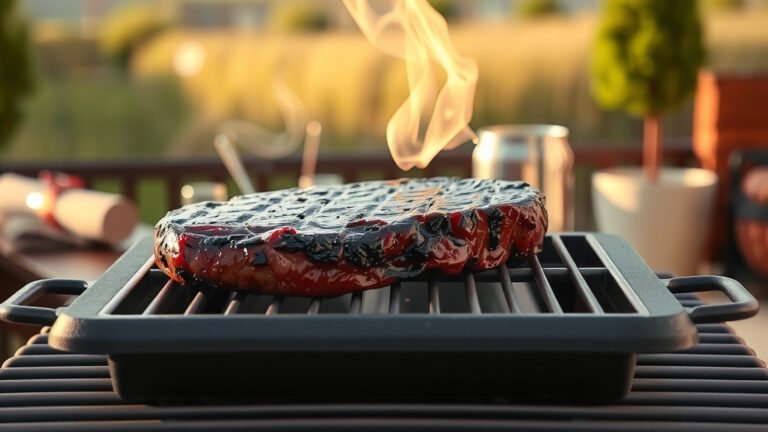
Smoke until the brisket reaches an internal temperature of about 165°F. This typically takes 6-8 hours, but always go by temperature, not time. You’ll notice a beautiful, dark bark forming.
The Stall and the Wrap
Every brisket journey hits a moment of doubt: the stall. Understanding this phase and knowing when to wrap will make you a brisket champion.
What is the Brisket Stall?
The stall is when your brisket’s internal temperature plateaus, sometimes for hours. It’s not your grill failing; it’s evaporative cooling doing its job.
As moisture evaporates from the surface, it cools the meat, similar to sweat cooling your body. Patience is vital here; don’t crank up the heat dramatically.
When and How to Wrap
Once your brisket hits that 165°F mark and the bark is set, it’s time to wrap. Wrapping helps push through the stall and retains moisture.
Lay out two long sheets of peach butcher paper, slightly overlapping. Place the brisket on it and wrap it tightly, like a gift. Butcher paper is preferred over foil because it allows some moisture to escape, preventing the meat from steaming and preserving some of that amazing bark.
Finishing Strong: Cooking to Perfection
With your brisket wrapped, the final leg of the cooking journey begins. This phase focuses on tenderness and reaching the perfect internal texture.
The Final Cook and Target Temperature
Return your wrapped brisket to the Traeger, now set to 275°F. This slightly higher temperature helps move past the stall more quickly.
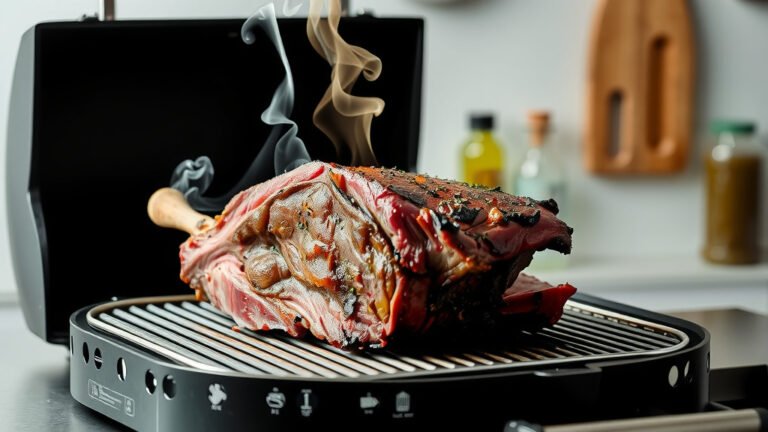
Cook until the brisket is “probe-tender.” This means a meat probe slides in with little to no resistance, like pushing into warm butter. This usually happens between 200-205°F internal temperature. Trust the feel over a specific number, as every brisket is different.
Crucial Resting Period
Do not skip the rest! This is perhaps the most critical step for a juicy brisket. Resting allows the muscle fibers to relax and reabsorb all those delicious juices.
Place the wrapped brisket into an empty cooler, insulated for warmth, for at least 2-4 hours. Many experts say you can rest it even longer, up to 6 hours. We found that longer rests often result in a more tender and juicier slice.
Slicing Your Masterpiece
After hours of patience, the moment has arrived. Proper slicing is essential to preserve tenderness and present your beautiful brisket.
Always slice against the grain. The flat and the point have grains running in different directions, so separate them before slicing. Slice into pencil-thick pieces for the best texture and eating experience.
Pellet Flavor Pairings for Brisket
Choosing the right pellets can enhance your brisket’s flavor. Here’s a quick guide:
| Pellet Type | Flavor Profile | Brisket Pairing |
|---|---|---|
| Oak | Strong, classic smoke | Traditional, robust flavor |
| Hickory | Pungent, bacon-like | Bold, very smoky taste |
| Pecan | Nutty, sweet, mild | Balanced, slightly milder smoke |
| Mesquite | Very strong, earthy | Intense flavor, use sparingly |
| Cherry | Fruity, mild | Adds color and a hint of sweetness |
Your Brisket Cooking Checklist
- Choose a quality full packer brisket.
- Trim fat to 1/4 inch thickness.
- Apply your favorite rub generously.
- Set Traeger to 225°F and smoke until 165°F internal.
- Wrap tightly in butcher paper.
- Increase Traeger to 275°F and cook until probe-tender (200-205°F).
- Rest the brisket for at least 2-4 hours.
- Slice against the grain and enjoy!
Conclusion
Cooking a brisket on your Traeger is a fantastic journey of flavor and patience. By following these steps—from careful trimming and seasoning to understanding the stall and the vital resting period—you’re set for success.
Remember, every brisket is unique, so trust your thermometer and the “probe-tender” feel over strict timelines. With practice, you’ll be consistently producing incredible, juicy, and tender briskets that are truly a cut above.
What is the best type of brisket for smoking on a Traeger?
For smoking on a Traeger, a “full packer” brisket, which includes both the flat and the point, is ideal. Look for USDA Choice or Prime grades as they offer better marbling, resulting in a more flavorful and tender final product.
Should I wrap my brisket in foil or butcher paper on a Traeger?
Many experts recommend wrapping your brisket in peach butcher paper when cooking on a Traeger. Butcher paper allows some smoke to continue penetrating and prevents the brisket from steaming, which can soften the bark. Foil tends to steam the meat and can make the bark soggy.
How long should a brisket rest after cooking on a Traeger?
Resting is crucial for a juicy brisket. You should rest your brisket for a minimum of 2 hours, and ideally 3-4 hours, after removing it from the Traeger. Place the wrapped brisket in an empty, insulated cooler to maintain its temperature during this critical phase.
What temperature should I cook my brisket to on a Traeger?
You should cook your brisket on a Traeger until it reaches “probe-tender” status, which usually occurs between 200°F and 205°F internal temperature. The key is how easily a probe slides into the meat, feeling like warm butter, rather than a fixed temperature number.
How can I prevent my brisket from drying out on a Traeger?
To prevent your brisket from drying out, ensure proper trimming (leaving about 1/4 inch of fat cap), maintain a consistent low cooking temperature (225°F), wrap it at the right time (around 165°F internal temp), and, most importantly, allow for an extended rest period after cooking.