
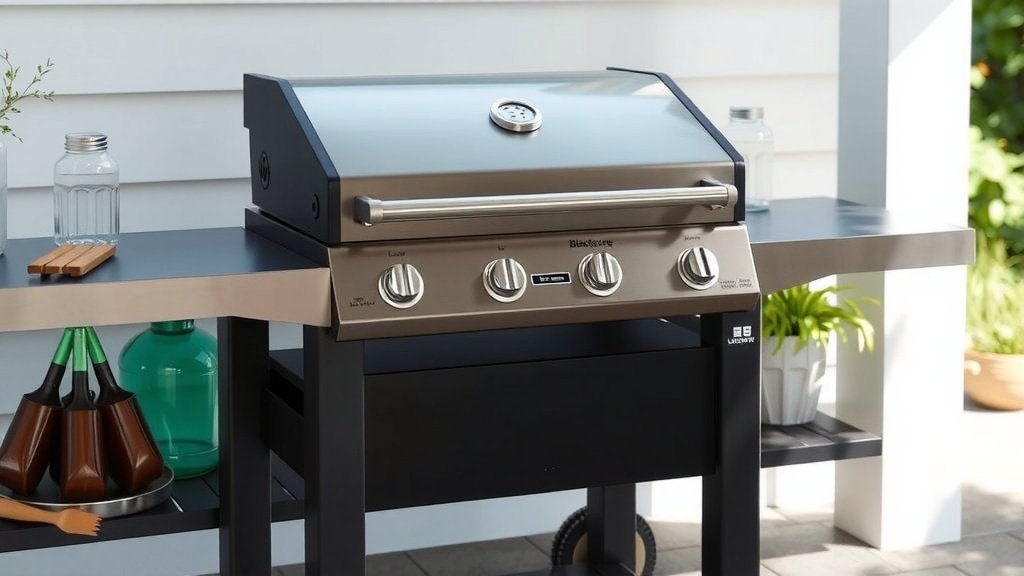
To clean your Blackstone grill after cooking, you should always scrape off food residue while the griddle is still warm. Then, deglaze with water and wipe it clean before applying a fresh, thin layer of cooking oil to season the surface.
This simple cleaning ritual helps maintain the non-stick surface and prevents rust, ensuring your Blackstone grill is ready for your next cooking adventure.
TL;DR: Here’s what you need to know about cleaning your Blackstone grill:
- Clean while the griddle is warm, not scorching hot or cold.
- Scrape off food bits with a metal scraper or spatula.
- Use water to deglaze and loosen stuck-on grime.
- Wipe the surface dry thoroughly with paper towels.
- Apply a thin, even coat of cooking oil to season and protect.
How To Clean Your Blackstone Grill After Cooking?
Cleaning your Blackstone grill after cooking means preserving its seasoned surface and extending its life. You just need to follow a few simple steps, focusing on quick action while the griddle is still warm, and then seasoning it for protection.
Why Clean Your Blackstone Grill Immediately?
Cleaning your griddle right after you finish cooking prevents food from hardening on the surface. This makes cleanup much easier. We found that allowing food to cool and stick can damage your valuable seasoning over time (Griddle Maintenance Experts).
The Benefits of Prompt Cleaning
Prompt cleaning helps you maintain a **smooth, non-stick cooking surface**. It also stops rust from forming, which is a common enemy for griddles. Many culinary professionals suggest this practice for optimal griddle care.
Essential Tools for Blackstone Cleaning
You don’t need many fancy tools to keep your Blackstone griddle spotless. We found that having the right basics makes the job much faster and more effective. You likely have most of these items already.
- Metal Griddle Scraper: This is your primary tool for removing food debris.
- Paper Towels: Essential for wiping oil and moisture.
- Water or Ice Cubes: For deglazing and lifting stubborn bits.
- Heat-Resistant Gloves: Protect your hands from the warm surface.
- Cooking Oil: To re-season and protect the griddle after cleaning.
- Griddle Scrub Pad (Optional): For tougher spots, but use sparingly.
Step-by-Step Guide to Cleaning Your Blackstone Grill
Let’s walk through the exact process you should follow to clean your Blackstone griddle after every use. This method keeps your griddle in top shape, ready for your next culinary creation.
Step 1: Scrape While Warm
As soon as you finish cooking, turn off the burners but leave the griddle warm. Use your metal griddle scraper to push all food scraps and excess oil into the grease trap. Work from the back to the front.
Why Scrape Warm?
Scraping while the griddle is warm helps food bits lift off easily. If you wait until it cools, those bits will harden and stick, making removal much tougher. It’s like cleaning a pan right after cooking versus letting it sit overnight.
Step 2: Deglaze with Water (or Ice)
Once most of the debris is gone, pour a small amount of water onto the warm griddle surface. The water will sizzle and turn to steam, lifting off any remaining stuck-on food. A cup of water or a handful of ice cubes works well.
Handling Stubborn Residue
For tougher spots, you can gently scrub with your griddle scraper or a specialized griddle scour pad while the water is steaming. Research often connects this steam method with easier residue removal (Cooking Surface Care Guides).
Step 3: Wipe It Down Thoroughly
Use several layers of paper towels to wipe the griddle surface clean. Push the dirty water and debris towards the grease trap. Keep wiping until all the water is gone and your paper towel comes up mostly clean.
The Importance of Dryness
Ensuring the griddle is completely dry is crucial. Any leftover moisture can lead to rust, especially if you store your griddle in a humid environment. We found that rust is the number one enemy of griddle longevity.
Step 4: Re-Season the Surface
After wiping dry, turn the burners back on to a low heat. Apply a very thin, even layer of cooking oil (flaxseed, canola, or Blackstone’s own griddle seasoning work best) across the entire cooking surface. Wipe off any excess.
Why Season After Every Clean?
This re-seasoning step is vital. It replenishes the protective layer you might have thinned during cleaning. This layer is what gives your griddle its non-stick properties and guards against rust. Many experts say a well-seasoned griddle performs best.
Quick Cleaning Checklist:
- Grill still warm? Yes.
- Scraped off all food debris? Yes.
- Deglazed with water/ice? Yes.
- Wiped completely dry? Yes.
- Applied thin layer of oil? Yes.
Comparing Quick Clean vs. Deep Clean
Understanding when to do a quick clean versus a deeper clean can save you time and keep your griddle in excellent condition. Most daily use only requires a quick clean.
| Cleaning Type | Frequency | Primary Goal | Tools Involved |
|---|---|---|---|
| Quick Clean | After Every Use | Maintain Seasoning, Remove Food | Scraper, Paper Towels, Water, Oil |
| Deep Clean | Monthly or As Needed | Remove Carbon Buildup, Restore Surface | Griddle Pumice Stone, Degreasers, More Oil |
When to Consider a Deep Clean
If you notice a lot of sticky carbon buildup, uneven seasoning, or dull spots, it might be time for a deep clean. This involves a more rigorous scrubbing, potentially using specialized cleaning bricks or degreasers, followed by a full re-seasoning process. However, for everyday use, stick to the quick method.
Common Blackstone Cleaning Mistakes to Avoid
You want to take care of your griddle, but sometimes common cleaning errors can actually harm it. Watch out for these pitfalls.
Using Harsh Soaps
Never use dish soap or harsh detergents on your Blackstone griddle. These strip away the precious seasoning layer you’ve worked hard to build. Stick to just water for deglazing and rely on oil for cleaning and protection.
Letting it Air Dry
Resist the urge to just let your griddle air dry. As we found, water is a rust magnet for raw steel. Always manually wipe it completely dry after cleaning, even if it seems mostly evaporated.
Forgetting to Re-Season
Skipping the re-seasoning step is like forgetting to put a coat of armor back on your griddle. Without that thin layer of oil, your griddle is vulnerable to rust and will lose its non-stick qualities much faster.
Conclusion
Cleaning your Blackstone grill after cooking is a straightforward process that plays a big role in its performance and lifespan. By consistently scraping while warm, deglazing, wiping dry, and re-seasoning, you ensure your griddle stays ready for delicious meals. Think of it as a small investment of your time that pays off in countless great cooks.
How often should I clean my Blackstone grill?
You should perform a quick clean after every single use. This routine cleaning removes food residue and preserves the seasoning, which is vital for your griddle’s longevity and non-stick performance.
Can I use soap to clean my Blackstone griddle?
No, you should avoid using dish soap or harsh detergents on your Blackstone griddle. Soap strips away the seasoned layer that provides the non-stick surface and protects against rust. Stick to water for deglazing.
What kind of oil should I use for seasoning after cleaning?
For seasoning after cleaning, you can use high smoke point cooking oils like flaxseed oil, canola oil, grapeseed oil, or Blackstone’s own griddle seasoning blend. Apply a very thin, even layer.
My Blackstone griddle has rust spots. How do I remove them?
To remove rust spots, you’ll need to gently scrub them off with a metal scraper or a griddle pumice stone. Then, clean the area thoroughly, and re-season the affected spot, or even the entire griddle, several times.
What if food is really stuck on and won’t scrape off?
If food is really stuck, try deglazing with more water or ice while the griddle is warm, allowing the steam to work. You can also use a small amount of coarse salt as an abrasive, scrubbing with paper towels or a griddle scour pad before wiping clean and re-oiling.
