
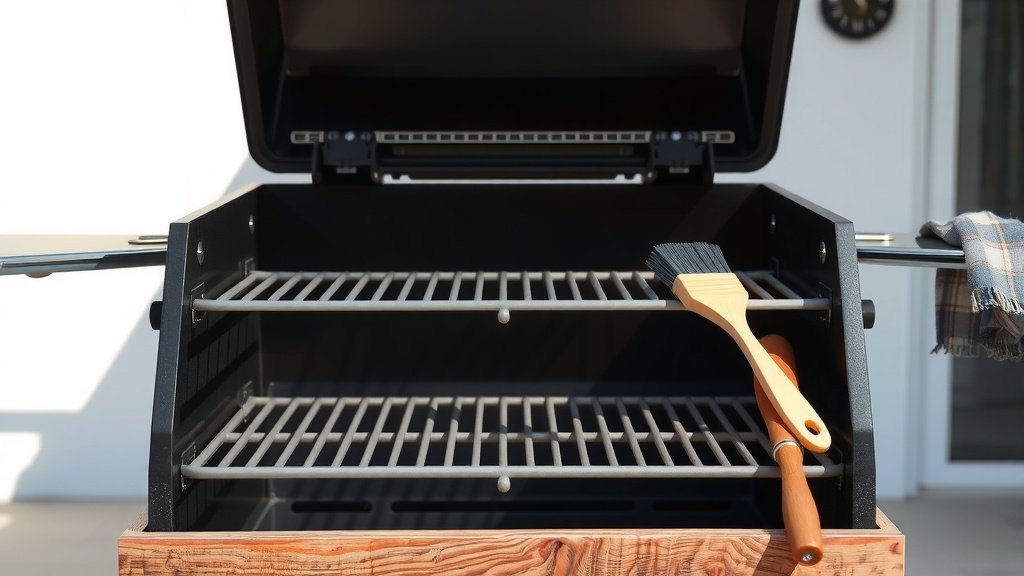
To clean Weber BBQ grill grates, you should always start by preheating your grill to burn off food residue, then brush them thoroughly with a good grill brush.
For a more thorough clean, let the grates cool, then remove them for soaking and scrubbing with warm soapy water to tackle stubborn grease.
- Preheat your grill and brush grates while hot for quick cleaning.
- For a deep clean, let grates cool, then soak them in warm, soapy water.
- Always use a stiff brush, sponge, or scraper, depending on the grate material.
- Rinse thoroughly and dry completely to prevent rust and mildew.
- Regular cleaning not only keeps your food tasting better but also extends the life of your Weber grill.
Picture this: a beautiful day, the sun is shining, and you’re ready to fire up your Weber grill. But wait! You lift the lid, and those grates are looking a little… well, crusty. Sound familiar? Don’t worry, you’re not alone. We’ve all been there. Cleaning your Weber BBQ grill grates is not just about looks; it’s about hygiene, flavor, and the lifespan of your grill. Nobody wants last week’s charred chicken remnants on this week’s perfectly grilled steak, right?
Taking care of your grill grates ensures that every meal cooked is delicious and healthy. It prevents flare-ups, maintains even heating, and protects your investment. Let’s make those grates sparkle!
How To Clean Weber BBQ Grill Grates?
To effectively clean your Weber BBQ grill grates, heat them thoroughly and use a stiff brush to remove cooked-on food bits.
For a comprehensive clean, let them cool, then wash with mild dish soap and water, ensuring all grease and grime are gone.
Why Clean Your Weber Grates?
Clean grates are key to good grilling. Burnt-on food creates smoke that can change the flavor of your food. It’s like using a dirty pan; everything just tastes off.
We found that regular cleaning prevents rust and corrosion. This keeps your grates in top shape, saving you money on replacements down the road.
When to Clean Your Grill Grates
Timing is everything when it comes to grilling. The same goes for cleaning. Knowing when to clean your grates makes the job much easier.
After Every Use
This is your primary cleaning habit. Right after you finish cooking, while the grill is still hot, give the grates a quick brush. It’s much easier to remove food bits when they’re warm and pliable.
Many experts say this quick scrape prevents food from hardening into a tough crust (Grilling Association Guidelines).
Before Each Cook
A quick once-over before lighting up is also a good idea. Sometimes debris settles or food bits cling overnight. A swift brush ensures a clean surface for your fresh ingredients.
This simple step helps prevent food from sticking, making for a much better grilling experience.
The Deep Clean Routine
Every few weeks, or when the grates look particularly greasy, a deep clean is necessary. Think of it as a reset button for your grill. This is when you remove the grates for a thorough wash.
We found that a deep clean helps remove built-up carbon and grease. This will keep your grill heating evenly.
Essential Cleaning Tools for Weber Grates
Having the right tools makes cleaning a breeze. You wouldn’t use a spoon to dig a hole, would you? The same idea applies here.
- Stiff-bristle grill brush: Essential for hot cleaning. Look for one with strong bristles, often metal.
- Grill scraper: Great for stubborn, baked-on bits that a brush might miss.
- Bucket: For soaking grates during deep cleans.
- Dish soap: A mild, grease-cutting dish soap works wonders.
- Sponge or scrub pad: For hand scrubbing after soaking.
- Microfiber cloths or paper towels: For drying and final wiping.
- Gloves: Protect your hands from grease and grime.
The Hot Clean Method: Your First Line of Defense
This is your everyday hero. It’s quick, effective, and keeps your grill ready for action. Here’s how you do it:
After cooking, once you’ve removed your food, turn the burners to high. Close the lid and let the grill heat for about 10-15 minutes.
This high heat turns food residue into ash. Then, simply open the lid and, using your stiff grill brush, scrape away the ash. It’s surprisingly satisfying!
The Deep Clean Method: When Tough Grime Strikes
Sometimes, the hot clean isn’t enough. For those times, it’s deep clean time! This gets into all the nooks and crannies. You will need to remove the grates from the grill for this one.
Soaking Your Grates
Once cooled, carefully remove the grates. Find a large bucket or even a sturdy trash bag. Fill it with hot water and a good amount of dish soap.
Submerge your grates completely and let them soak for at least 30 minutes, or even overnight for really tough grime. This helps loosen everything up.
Scrubbing Techniques
After soaking, use a stiff brush or a heavy-duty scrub pad. Get in there and scrub away all the loosened gunk. Focus on the corners and edges where grease loves to hide.
For really stubborn spots, a scraper can come in handy. Just be careful not to damage the grate surface, especially with porcelain.
Rinsing and Drying
Once you’ve scrubbed them clean, rinse the grates thoroughly under running water. Make sure all soap residue is gone.
Then, and this is crucial, dry them completely. You can air dry them, or use a towel. Many experts say drying prevents rust, especially for cast iron grates (Weber Support Guides).
Cleaning Different Weber Grate Materials
Weber makes grates from different materials, and each needs a slightly different touch. Knowing your grate type helps you clean it best.
| Grate Material | Best Cleaning Approach | What to Avoid |
|---|---|---|
| Cast Iron | Hot brush, then deep clean with mild soap. Oil lightly after drying. | Harsh abrasives, excessive soaking (prone to rust). |
| Stainless Steel | Hot brush, deep clean with soap and water, can use stainless steel cleaner. | Steel wool (can scratch), harsh chemicals. |
| Porcelain-Enameled | Hot brush, deep clean with mild soap and soft brush/sponge. | Metal brushes, harsh scrapers (can chip enamel). |
Cast Iron Grates
Cast iron holds heat wonderfully but needs extra care. After cleaning, always apply a thin layer of cooking oil to prevent rust. This is like seasoning a cast iron pan.
We found that a light coat of vegetable oil or flaxseed oil works best for protection.
Stainless Steel Grates
These are pretty durable. You can hot brush them aggressively. For deep cleaning, they respond well to soap and water. You might even use a stainless steel cleaner for extra shine.
Just avoid steel wool pads, which can scratch the surface and create rough spots.
Porcelain-Enameled Grates
These grates have a smooth coating. The coating prevents rust and sticking. The key here is to be gentle to avoid chipping the enamel.
Use a nylon brush or a soft sponge. Never use a metal brush or harsh scraper, as chipping can lead to rust.
Pro Tips for Grill Grate Maintenance
Want your Weber grates to last for years? Here are some simple tricks:
- Season your cast iron: Just like a skillet, oil them after every deep clean.
- Use cooking spray: A quick spray before grilling helps food release easily.
- Don’t wait too long: The sooner you clean, the easier it is.
- Store properly: If removing grates for winter, store them clean and dry.
- Check for damage: Periodically inspect for cracks or rust spots.
Your Grill Grate Cleaning Checklist
Before you dive into cleaning, make sure you have everything ready:
- Is the grill cool if you’re deep cleaning?
- Do you have your stiff-bristle grill brush ready?
- Is your bucket and dish soap within reach?
- Are you wearing gloves to protect your hands?
- Do you have a soft cloth for delicate grates?
Conclusion
Cleaning your Weber BBQ grill grates might seem like a chore, but it’s an important part of grilling. By following these simple steps, you’ll keep your grill in top condition. Your food will taste better, and your grates will last longer. Remember, a clean grill is a happy grill!
Whether it’s a quick hot brush after dinner or a full deep-clean weekend ritual, consistency pays off. You’ll be rewarded with countless delicious meals and a grill that’s always ready to perform. So go ahead, get those grates gleaming, and enjoy the true taste of grilling!
What is the best way to clean rusty Weber grill grates?
For rusty Weber grill grates, especially cast iron, start by scrubbing the rust away with a stiff wire brush. Then, soak them in a solution of warm water and vinegar (a 50/50 mix) for a few hours. After scrubbing any remaining rust, rinse thoroughly, dry completely, and then re-season cast iron grates with cooking oil to prevent future rust.
Can I use oven cleaner on Weber grill grates?
We strongly advise against using oven cleaner on Weber grill grates, especially porcelain-enameled or cast iron ones. Oven cleaners contain harsh chemicals that can damage the grate’s finish, strip seasoning from cast iron, and leave behind residue that’s unsafe for cooking. Stick to mild dish soap and hot water for safety and grate longevity.
How often should I deep clean my Weber grill grates?
Many grilling enthusiasts recommend deep cleaning your Weber grill grates every 4-6 weeks, depending on how frequently you grill and what you cook. If you grill fatty foods often, you might need to deep clean more frequently. A good rule of thumb is to deep clean when the usual hot brushing isn’t removing all the grime.
Is it okay to put Weber grill grates in the dishwasher?
Generally, it’s not a good idea to put Weber grill grates in the dishwasher. Dishwasher detergents can be too harsh for some grate materials, especially cast iron, stripping away seasoning and promoting rust. Porcelain-enameled grates might also chip. Handwashing with warm soapy water is always the gentlest and safest method.
How do I prevent food from sticking to my clean Weber grill grates?
To prevent food from sticking to your clean Weber grill grates, always preheat your grill thoroughly before placing food on it. Once hot, use a grill brush to give them a final clean. You can also lightly oil the grates with a high-smoke-point cooking oil, like canola or grapeseed, just before adding your food. A paper towel dipped in oil and held with tongs works great for this.
