
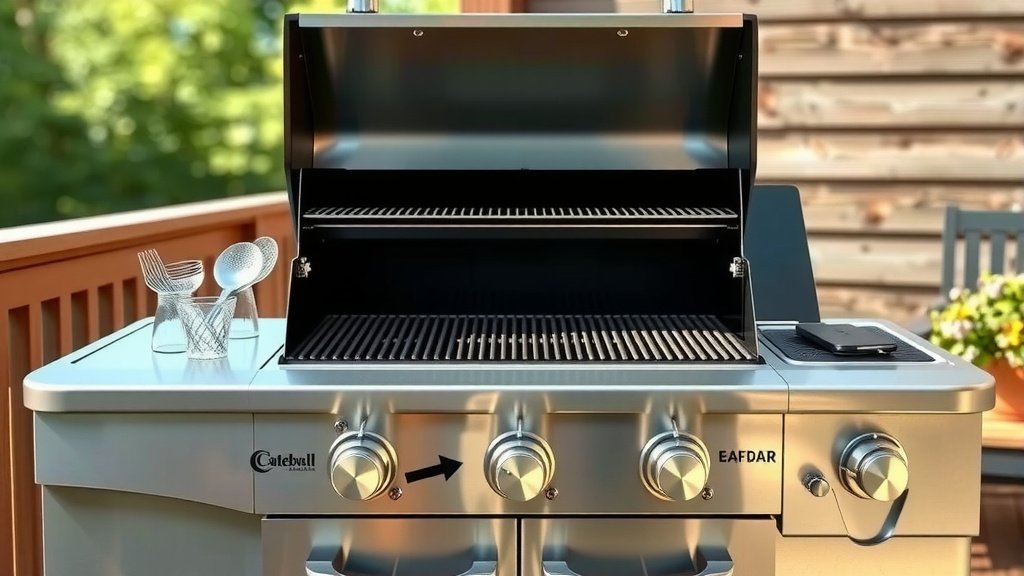
To clean a gas BBQ grill effectively, first preheat it to burn off most food residue, then turn off the gas supply and let it cool completely. After cooling, scrub the grill grates thoroughly with a wire brush and remove all other components for deeper cleaning.
Maintaining your gas BBQ grill means removing built-up grease and food particles from grates, burners, and the cookbox. Regular cleaning prevents rust, improves cooking performance, and helps your grill last longer.
- Start with a high heat burn-off to char old food.
- Always turn off the gas and let your grill cool before touching it.
- Scrub grates with a sturdy brush, then remove and wash them.
- Clean flavorizer bars, burner tubes, and the inside of the cookbox.
- Empty and clean the grease tray for hygiene and safety.
- Wipe down the exterior for a shining finish.
How To Clean Gas BBQ Grill?
Cleaning your gas BBQ grill involves a few simple steps to remove food debris and grease. You can keep your grill performing its best and ready for delicious meals by following a consistent routine.
Why Clean Your Gas Grill? It’s More Than Just Looks!
Ever wonder why your food sticks or tastes a bit off? A dirty grill is often the culprit. Built-up grease can cause nasty flare-ups, which are not only dangerous but can also char your food unevenly.
Beyond taste, regular cleaning extends the life of your appliance. Many experts say that keeping components free from excessive grime prevents rust and corrosion (Grill Care Institute).
Think of it like tuning up a car; a clean grill operates more efficiently. It heats faster and maintains temperature better. This means less gas used and better grilling results for you.
Safety First: Your Number One Rule Before Cleaning
Before you even think about scrubbing, safety must be your priority. We found that the biggest cleaning hazard is starting too soon.
Always make sure your grill is completely cool to the touch. Disconnect the gas supply from the propane tank or turn off the natural gas valve. You don’t want any accidental ignitions or burns.
What You’ll Need: Your Cleaning Arsenal
Gathering your tools beforehand makes the job much smoother. You likely have most of these items already around your house. We’re not talking about fancy equipment here, just practical solutions.
- Wire grill brush (a sturdy one!)
- Scraper (plastic or metal)
- Gloves (rubber or disposable)
- Bucket
- Dish soap or grill cleaner
- Sponges and rags
- Paper towels
- Aluminum foil (optional, for the drip pan)
The Cleaning Process: Step-by-Step for a Sparkling Grill
Ready to get your grill looking new again? Let’s walk through each part. Remember, a little effort now saves a lot of hassle later.
The Preheat and Burn-Off: Your First Move
Many grill masters suggest starting with a high-heat burn. Close the lid and let your grill run on high for about 10-15 minutes.
This intense heat turns old food particles and grease into ash. It makes them much easier to scrape off. It’s like giving your grill a reset button.
Disconnect and Cool Down: Patience is a Virtue
Once the burn-off is done, turn off the burners and the gas supply. Let your grill sit until it’s cool enough to handle without gloves. This might take 30-60 minutes, so grab a drink!
Touching hot metal is never a good idea. This cooling period is critical for your safety. Always double-check that everything is cool.
Grill Grates: The Heart of Your Grilling
These are where your food sits, so they need the most attention. Many experts agree that clean grates prevent sticking and promote even searing.
After cooling, use your wire brush to vigorously scrape off all charred residue. For tougher spots, a putty knife or scraper can help. Don’t be shy; apply some pressure!
| Grill Grate Cleaning Method | Description | Benefits |
|---|---|---|
| Wire Brush Scrub | Aggressive dry scrubbing after burn-off. | Quick removal of loose char. |
| Soap & Water Soak | Remove grates, soak in warm soapy water, then scrub. | Effective for sticky grease and baked-on food. |
| Vinegar Spray | Spray with 50/50 white vinegar & water, let sit, then scrub. | Natural degreaser, less chemical use. |
Flavorizer Bars or Heat Tents: The Shield Beneath
These metal plates protect your burners and vaporize drippings. They get quite dirty. Remove them carefully, often they just lift out.
Scrape off any large pieces of debris with a plastic scraper. You can also wipe them down with a damp cloth and some grill cleaner. They don’t need to be spotless, just clear of heavy build-up.
Burner Tubes: Handle with Care
The burners are delicate. Never use a wire brush directly on them, as you might damage the gas ports. We found that a soft brush or a dry cloth is best.
Gently brush away any loose rust or insect nests from the burner ports. Clear ports mean even flame distribution. If you see clogged ports, a paperclip can carefully clear them (Grilling Maintenance Guide).
Inside the Cookbox: Catching the Fallout
Look beneath the burners. You’ll find a lot of carbonized grease and food bits. Use a plastic scraper to push all this debris into the grease tray opening.
Some people even use a shop vac to suck out the loose particles once everything is cool. Just be sure the vacuum is dry. This keeps your grill interior clean.
Grease Tray and Drip Pan: Essential for Safety
This is where all the nastiness collects. It’s probably the dirtiest part. Remove the tray, usually located under the grill body.
Empty any old grease and food into a trash can. Scrape out any hardened residue. Wash the tray with warm, soapy water. Some even line their drip pan with aluminum foil for easier future cleanups.
Exterior Cleaning: For That Showroom Shine
Finally, let’s make the outside look good. Wipe down the lid and side tables with a mild soap and water solution. For stainless steel, a specialized stainless steel cleaner can make it sparkle.
Always wipe with the grain of the stainless steel to avoid streaks. This final step protects your grill and makes it inviting for your next cookout.
How Often Should You Clean Your Gas Grill?
The frequency depends on how often you grill. Many manufacturers suggest a quick grate brush after every use, while a deeper clean is needed periodically.
We found a good rhythm is a quick clean after each use, a moderate clean every 3-4 uses, and a deep, thorough cleaning once or twice per grilling season. Adjust based on your grilling habits.
Common Cleaning Mistakes to Avoid
Even with good intentions, it’s easy to make mistakes. Here are a few to watch out for:
- Cleaning a Hot Grill: This is a serious burn risk and can damage your cleaning tools. Always wait for it to cool.
- Skipping the Burn-Off: Without this, you’ll be scraping much harder later.
- Ignoring the Grease Tray: A full tray is a fire hazard. Don’t forget this vital component.
- Harsh Chemicals on Burners: Strong cleaners can damage the sensitive parts of your burners. Stick to gentle methods.
- Not Disconnecting Gas: Always turn off the gas supply. It’s a basic safety measure that saves lives.
Conclusion
Cleaning your gas BBQ grill doesn’t have to be a chore. With a little planning and the right tools, you can keep your grill in top shape. Remember, a clean grill isn’t just about appearances; it’s about safer grilling, better tasting food, and extending the life of your investment. So, roll up your sleeves, follow these steps, and enjoy many more delicious meals off your perfectly maintained grill!
What is the best cleaner for gas grill grates?
For most gas grill grates, warm water with dish soap works very well for general cleaning. For tougher grease, many people use specialized grill degreasers or a solution of white vinegar and water. Always rinse thoroughly.
Can I use oven cleaner on my gas grill?
Using oven cleaner on gas grill parts is generally not recommended by manufacturers. It can be too harsh for some grill materials and may damage coatings. Stick to products specifically designed for grills or mild soap and water.
How do I prevent rust on my gas grill?
To prevent rust, keep your grill clean and dry, especially the grates. Always cover your grill when not in use, and consider a light coating of cooking oil on cast iron grates after cleaning. Store it in a dry area if possible.
How often should I replace my gas grill components?
The lifespan of gas grill components varies. Grates might last 5-10 years, while flavorizer bars and burner tubes may need replacing every 3-5 years, depending on usage and maintenance. Inspect them regularly for wear and tear.
Is it okay to use water to clean gas grill burners?
No, it’s generally not a good idea to use water directly on gas grill burners, especially inside them. Water can cause rust, clog ports, and interfere with proper gas flow. Use a dry brush or a paperclip to clear ports.
