
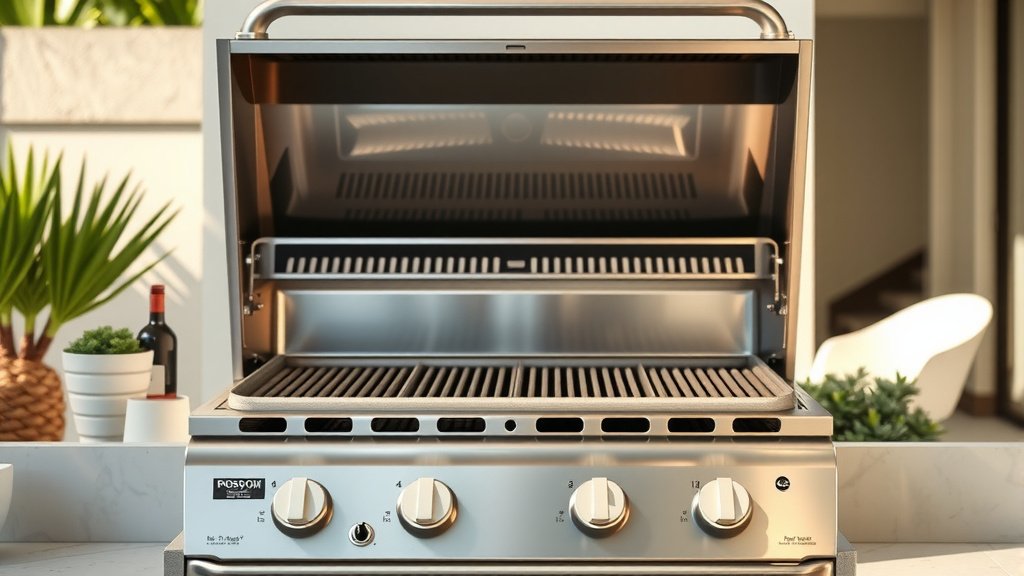
To clean a gas grill inside and out, first burn off any food residue from the grates, then brush them thoroughly. For deeper cleaning, remove grates, heat deflectors, and the drip pan for scrubbing, then wipe down the interior and exterior surfaces.
A thorough cleaning involves removing all removable parts, degreasing the cookbox, and wiping down the grill’s exterior, ensuring all vents are clear for optimal performance.
- Preheat your grill to burn off leftover food particles.
- Brush the grates vigorously after they cool slightly.
- Remove and soak grates, heat deflectors, and the drip pan.
- Scrape accumulated debris from the firebox and grease channels.
- Gently clear any clogged burner ports to restore even flame.
- Wipe down the grill lid and side shelves for a sparkling finish.
How To Clean A Gas Grill Inside And Out?
Cleaning your gas grill inside and out involves a simple process of removing food residue, degreasing components, and polishing exterior surfaces.
This regular maintenance keeps your grill working safely and food tasting great, ensuring lasting enjoyment.
Why Cleaning Your Grill Matters
A clean grill isn’t just about looks; it’s about safety and flavor. Accumulated grease and food bits can cause dangerous flare-ups, putting your backyard BBQ at risk (National Fire Protection Association).
Leftover residue also affects taste, giving your new steaks an off-flavor. Plus, consistent cleaning extends your grill’s lifespan, protecting your investment.
Tools You’ll Need For A Clean Grill
Gathering your supplies before you start makes the job much smoother. You won’t want to stop mid-clean to find something you missed.
You’ll need a stiff wire brush, a scraper, warm soapy water, a bucket, heavy-duty gloves, and a few rags or paper towels. Some grill owners also use a grill cleaner or degreaser.
Safety First: Prepare Your Grill
Before you get started, always prioritize safety. Turn off the gas at the tank and disconnect the regulator hose from the grill.
Allow your grill to cool completely if you’ve recently used it. We found that working with a cold grill prevents burns and makes handling parts easier.
Removing The Grates
Once cooled, carefully remove the cooking grates. They often lift out easily. Place them aside for soaking.
You’ll get a better look at the grill’s interior once these are out of the way. This step is a quick one.
Cleaning The Grill Grates
Start by preheating the grill for about 15 minutes to burn off food residue. This makes brushing much easier.
Once cooled, use a stiff wire brush to scrub the grates clean. For tough grime, soak them in hot, soapy water for 30 minutes, then scrub vigorously (Weber research).
Tackling Heat Deflectors And Flavorizer Bars
Under the grates, you’ll find heat deflectors or flavorizer bars. These catch drippings and distribute heat.
Scrape off any baked-on food or grease with a putty knife or stiff brush. Many experts say removing them annually for a deep scrub helps them last longer.
Inspecting And Cleaning Burner Tubes
Carefully remove the burner tubes. Check the small gas ports along the tubes for clogs.
Use a paperclip or a specialized burner brush to gently clear any blockages. We found that clogged ports cause uneven heating, making your food cook improperly.
Cleaning The Grill Interior (Cookbox)
The cookbox, or firebox, can collect a lot of debris. Scrape the bottom and sides with a plastic scraper or spatula.
Push all the loosened debris into the grease tray opening. Many grill experts advise against using water directly in the cookbox, as it can pool and rust.
Don’t Forget The Drip Pan And Grease Tray
This is where all the grease collects, and it’s a major fire hazard if neglected. Pull out the drip pan and grease tray.
Scrape out any solid grease, then wash both parts thoroughly with hot, soapy water. Rinse well and ensure they are completely dry before putting them back.
Cleaning The Grill Exterior
Now, let’s make the outside shine. For stainless steel, wipe with a damp cloth and a stainless steel cleaner.
For painted surfaces, warm soapy water works well. Clean the lid, side shelves, and the cabinet base. This step makes your grill look brand new.
Deep Clean Versus Quick Clean
Understanding when to do a full deep clean versus a quick clean saves you time and effort. A quick clean is for after every use.
A deep clean should happen a few times a year. Here’s a simple guide to help you decide:
| Cleaning Type | Frequency | Key Tasks |
|---|---|---|
| Quick Clean | After every cook | Burn off, brush grates, empty drip pan. |
| Deep Clean | Every 2-3 months | Disassemble, scrub all parts, clean cookbox, inspect burners. |
How Often Should You Clean Your Gas Grill?
Regular maintenance is key. Many grill manufacturers recommend a quick grate cleaning after every use. This prevents food from sticking and burning.
A more thorough deep clean, involving component removal, should happen two to three times per grilling season. This keeps your grill in peak condition.
Quick Cleaning Checklist
- Preheat grill to burn off food.
- Brush grates with a wire brush.
- Turn off gas and disconnect tank.
- Empty and wipe down the drip pan.
- Wipe exterior surfaces, including the lid.
- Cover the grill if storing outdoors.
Conclusion
Cleaning your gas grill inside and out might seem like a chore, but it’s a simple process with big rewards. You’re not just scrubbing; you’re ensuring tastier food, a safer cooking environment, and a longer life for your grill.
Make it a regular habit, and you’ll always be ready for your next cookout. Happy grilling, knowing your equipment is clean and ready for action!
How do I prevent rust on my gas grill grates?
To prevent rust, clean your grates after each use, season them with cooking oil, and ensure they are completely dry before storing. Covering your grill also helps protect it from moisture.
Can I use oven cleaner to clean my gas grill?
Most grill manufacturers advise against using oven cleaner on gas grill parts due to its harsh chemicals. These can damage materials like aluminum and stainless steel, and residues can taint food flavors.
What should I do if my grill burners are not igniting properly after cleaning?
If burners struggle to ignite, check for any missed clogs in the burner ports or gas orifices. Also, ensure the igniter electrode is clean and properly positioned near the burner tube. Sometimes, igniter wires can become loose (Char-Broil support documentation).
Is it safe to power wash my gas grill?
Power washing a gas grill is generally not recommended. The high pressure can damage electrical components, loosen connections, and force water into areas it shouldn’t be, leading to rust or malfunction.
How can I clean the inside of my gas grill lid?
The inside of a gas grill lid often collects black flakes, which are typically carbonized grease, not paint. Scrape these gently with a plastic scraper or a stiff brush, then wipe with a damp cloth. Avoid harsh abrasives that could scratch the surface.
