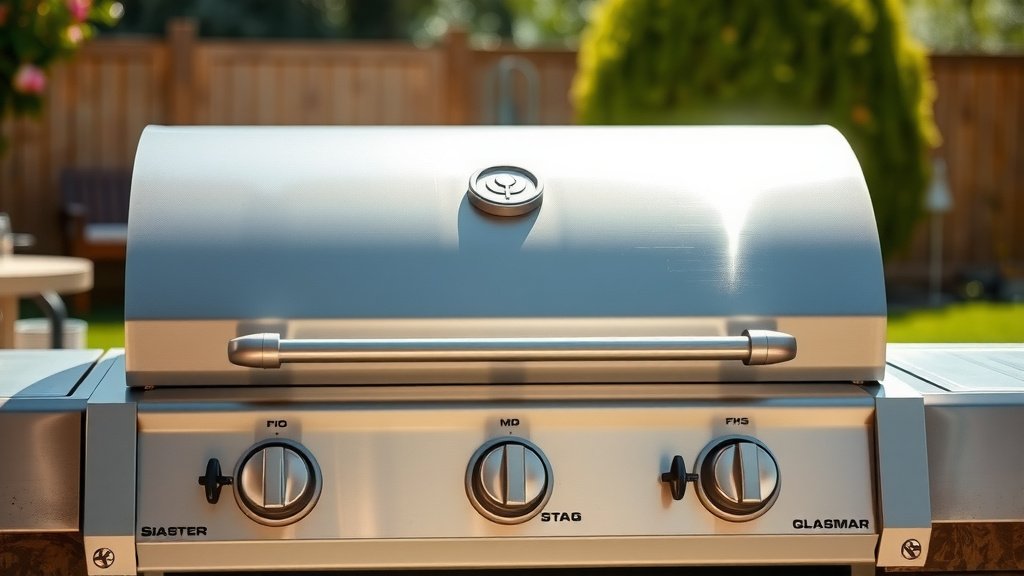
How Often Clean Gas Grill?
On this page (6 sections)
You should clean your gas grill after every single use for light tasks and perform a more thorough cleaning every few weeks, especially if you grill often.
Regularly cleaning your gas grill prevents flare-ups, maintains food flavor, and extends your grill’s lifespan, making your outdoor cooking much more enjoyable.
Here’s a quick overview of what you’ll find in this guide:
- You’ll discover why a clean grill matters more than you think.
- We break down the ideal cleaning frequency: light, deep, and seasonal.
- You’ll get practical steps for each cleaning routine.
- We cover essential tools and tips for a sparkling grill.
- Find out how to keep your grill in top shape with minimal effort.
How Often Clean Gas Grill?
Many grill enthusiasts and manufacturers suggest a simple rule: clean your grates after every use, and conduct a deeper clean every 2-4 weeks. This keeps your grill running smoothly and safely for years.
Why Bother Cleaning Your Grill? It’s More Than Just Looks!
Think of your grill like a favorite cooking pan. Would you keep using a dirty pan without washing it? Probably not! A clean grill isn’t just about appearances; it’s about safety, taste, and longevity. You want those perfectly seared steaks, not charred bits of last week’s burger, right?
The Hidden Dangers of a Dirty Grill
Ignoring grill cleaning can lead to some not-so-fun surprises. Old food particles can catch fire, causing dangerous flare-ups. A dirty grill can also harbor bacteria, which is definitely not what you want near your food. Plus, who likes a grill that rusts away too quickly?
Flavor Fouls: What Happens to Your Food?
Ever had a burger that tasted a little off, even though the meat was fresh? Old grease and burnt food bits stick to grates and transfer unpleasant flavors. You work hard for that perfect marinade, so let it shine without interference!
Protect Your Investment: Grill Longevity
A gas grill is an investment, often costing a fair bit of money. Regular cleaning protects its components, especially the burner tubes and grates, from corrosion and premature wear. You want your grill to last many seasons, not just a few.
Your Cleaning Schedule: What to Do When
Cleaning your grill doesn’t have to be a big, overwhelming chore. Breaking it down into small, manageable steps makes it easy. Let’s look at what needs doing daily, weekly, and seasonally. You can choose a routine that works for your grilling habits.
After Every Use: The Quick Wipe-Down (Daily/Per-Use)
This is your most important habit. Right after you finish cooking, while the grates are still warm, take a grill brush to them. Burn off food residue for about 10-15 minutes, then brush thoroughly. This simple step prevents stubborn build-up.
You’ll want to clean the grates until they look almost new. It’s much easier to clean when the food is still warm and hasn’t hardened. Think of it like cleaning a pan right after cooking; it’s less work.
Every Few Weeks: The Deeper Dive (Bi-Weekly/Monthly)
Depending on how often you grill, you’ll need a more thorough cleaning every 2 to 4 weeks. This means going beyond just the grates. You’ll tackle the inside of the grill, the flavorizer bars, and the grease tray. This prevents major gunk from forming.
This routine is crucial for stopping grease from accumulating. Excessive grease can lead to uncontrolled fires, which you certainly want to avoid (Consumer Reports).
Flavorizer Bars and Heat Tents: Your Grill’s Shield
These components sit above the burners and protect them from dripping grease. They also help distribute heat. Remove them and scrape off any burnt food or grease. Check for corrosion or holes, as these indicate it might be time for replacements.
Burner Ports: Keeping the Flame Alive
The small holes on your burner tubes can get clogged with debris, leading to uneven heat or weak flames. Carefully brush the burner tubes to clear these ports. You might need a small wire or paperclip for stubborn blockages. Uneven heating really impacts your cooking results.
The Grease Management System: Don’t Forget the Tray!
Your grill’s grease tray catches all the drippings. If you let it get too full, it can overflow, creating a messy and potentially hazardous situation. Remove, empty, and clean the tray regularly. Many experts say a clean grease tray is a sign of a well-maintained grill.
The Annual Overhaul: Seasonal Deep Cleaning
Once or twice a year, usually at the start and end of grilling season, give your grill a complete, top-to-bottom cleaning. This involves removing all internal components and scrubbing everything thoroughly. It’s like a spring cleaning for your outdoor kitchen.
This big clean helps identify any parts that need replacing, ensuring your grill is ready for peak performance. It’s also a good time to check gas lines and connections (National Fire Protection Association).
What You’ll Need: Essential Cleaning Tools
Having the right tools makes all the difference. You don’t need a fancy arsenal, just a few key items. These will help you clean efficiently and safely.
- Stiff wire grill brush: For scraping off stubborn food.
- Scraper: A putty knife works wonders for flat surfaces.
- Bucket of warm soapy water: Dish soap is great for grease.
- Gloves: Protect your hands from grime and chemicals.
- Sponge or scrub pad: For gentler cleaning.
- Microfiber cloths: For wiping down exterior surfaces.
- Small wire or paperclip: For clearing burner ports.
A Quick Cleaning Checklist for Your Gas Grill
Use this simple checklist to guide your cleaning efforts:
- Turn off gas: Always disconnect the gas tank before deep cleaning.
- Remove grates: Soak them in soapy water if heavily soiled.
- Scrape cooking box: Use a plastic scraper for accumulated debris.
- Clean flavorizer bars: Brush off food particles thoroughly.
- Inspect burner tubes: Clear any clogged ports.
- Empty grease tray: Wash with soap and water.
- Wipe exterior: Use a damp cloth for a sparkling finish.
- Check gas lines: Look for cracks or damage on hoses.
Table: Cleaning Frequency at a Glance
To make it even easier, here’s a quick guide based on how much you love to grill:
| Grilling Frequency | After Every Use | Every 2-4 Weeks | Seasonally (1-2x/Year) |
|---|---|---|---|
| Light Use (1-2 times/month) | Brush grates | Brush grates thoroughly, wipe interior, empty grease tray | Full deep clean, inspect components, wipe exterior |
| Moderate Use (1-2 times/week) | Brush grates | Deep clean grates, flavorizer bars, interior walls, grease tray | Full deep clean, burner port check, gas line inspection, exterior polish |
| Heavy Use (3+ times/week) | Brush grates | Thorough deep clean of all internal components, heavy scraping, clean grease tray | Extensive deep clean, component replacement check, exterior detailing, gas line integrity check |
Common Mistakes to Avoid While Cleaning
You want to clean your grill, not damage it. Avoid these pitfalls to keep your grill in prime condition. Using the wrong tools or methods can actually cause more harm than good. You’re aiming for cleanliness, not destruction!
Don’t Use Harsh Chemicals on Food Surfaces
While oven cleaners can be powerful, they often contain chemicals not meant for food-contact surfaces. These residues can transfer to your food or damage your grill’s finish. Stick to mild dish soap and water for internal components. Harsh chemicals can also corrode certain materials.
Avoid Wire Bristles Coming Loose
Old or cheap wire brushes can shed bristles, which might stick to your grates and end up in your food. This is a real safety concern (CDC). Inspect your brush regularly and replace it if the bristles look worn or loose. Consider bristle-free alternatives for peace of mind.
Neglecting the Exterior: It Needs Love Too!
While internal cleaning is vital, don’t forget the outside. Dust, pollen, and general grime can build up, especially if your grill is uncovered. Wipe down the exterior with a mild cleaner to keep it looking great. A clean exterior reflects a well-cared-for grill.
Conclusion
Cleaning your gas grill regularly is a simple habit that brings big rewards. You’ll enjoy better-tasting food, fewer flare-ups, and a grill that lasts for many years to come. Whether it’s a quick brush after every meal or a comprehensive seasonal deep clean, your efforts will pay off. So, roll up your sleeves, grab your brush, and let your grill shine!
FAQs
How do I know if my grill needs a deep clean?
If you see excessive grease buildup, notice uneven heating, or experience frequent flare-ups, it’s definitely time for a deep clean. Also, if you haven’t done one in a month or two, it’s probably overdue.
Can I use aluminum foil to clean my grill grates?
Yes, crumpled aluminum foil can work as an emergency scraper if you don’t have a brush. Just be careful, as it can be less effective than a dedicated brush and might leave small bits behind if torn.
Is it okay to clean my gas grill when it’s cold?
While you can, cleaning grill grates is significantly easier when they are still warm, not piping hot. The heat helps burn off food residue and loosens stuck-on bits, making scraping much more effective.
How often should I clean my grill’s exterior?
You should wipe down your grill’s exterior with a damp cloth and mild soap every few weeks, or whenever you notice significant dust or grime. This prevents accumulation and keeps it looking new.
What’s the best way to clean rusty grill grates?
For light rust, a wire brush and a paste of baking soda and water can help. For heavier rust, you might consider soaking the grates in vinegar for a few hours before scrubbing. If rust is severe, replacement might be the safest option.