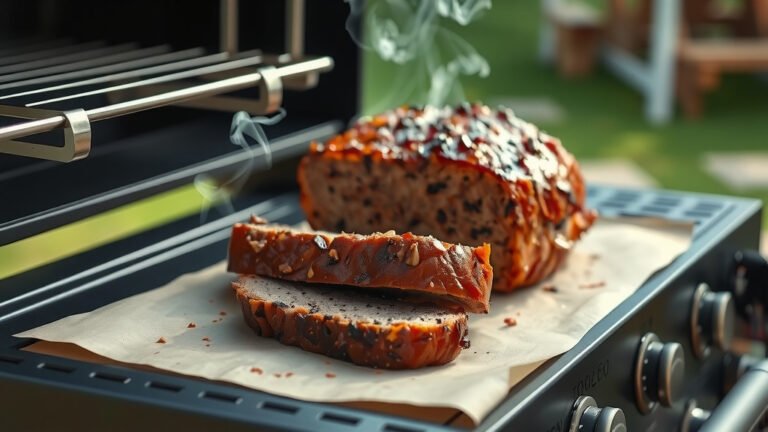
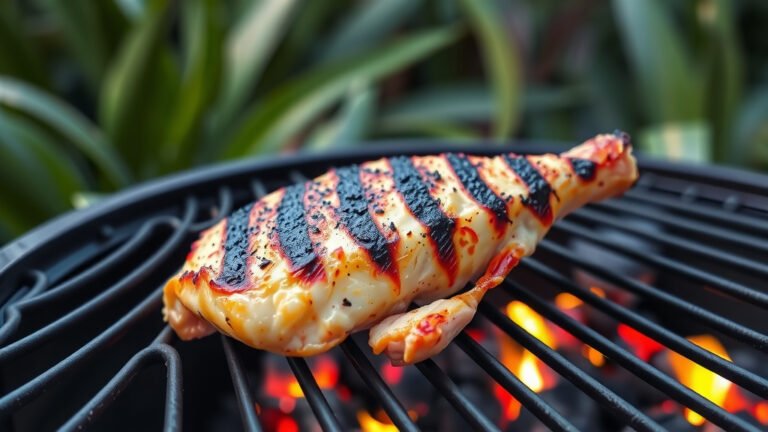
To grill tenderloin steak on a gas grill for medium-rare, aim for about 8-10 minutes total, flipping halfway. This will give you a beautiful sear and a juicy, pink center.
For a medium doneness, plan on 10-12 minutes. Always use a meat thermometer for accuracy, targeting 130-135°F for medium-rare and 135-140°F for medium before resting.
- For a perfect medium-rare tenderloin, grill for 8-10 minutes.
- Achieve a medium steak in 10-12 minutes on your gas grill.
- Always rely on a meat thermometer; target internal temperatures between 130-140°F for best results.
- Rest your tenderloin steak for 5-10 minutes after grilling to lock in juices.
- Preheat your gas grill properly and clean your grates before cooking.
How Long To Grill Tenderloin Steak On Gas Grill?
Grilling tenderloin steak on a gas grill often takes about 8 to 12 minutes, depending on your desired doneness. This guide will help you achieve that perfect steak every time.
Are you ready to grill a show-stopping tenderloin? It’s a wonderful cut of meat, and with a few simple steps, you can create a meal that tastes like it came from a fancy steakhouse. Let’s get started.
Why Choose Tenderloin?
Tenderloin, often called filet mignon when cut into medallions, is famous for its incredible tenderness. It has less fat marbled throughout compared to other cuts, making it a leaner choice. This also means it can dry out quickly if overcooked.
Many experts say its delicate flavor makes it a prime candidate for quick, high-heat cooking. We found that cooking it correctly preserves its succulence. It’s truly a special cut for a special meal.
Understanding Steak Doneness
Knowing your preferred doneness is the first step to grilling success. Each level has a specific internal temperature. This temperature is what you are aiming for with your grill time.
For example, a rare steak is cool red in the center. Medium-rare is warm red, and medium is warm pink. We’ll focus on these popular levels, as they really let the tenderloin shine.
Bringing Your Steak to Room Temperature
Before hitting the grill, let your tenderloin sit out for 30-60 minutes. This allows the steak to cook more evenly. Cold spots can lead to uneven cooking, and nobody wants that.
Think of it like easing into a warm bath. The steak relaxes and prepares for the heat. This simple step can make a big difference in the final product, as many chefs will tell you.
Seasoning Your Tenderloin Perfectly
Tenderloin has a delicate flavor, so you don’t need to go overboard with seasoning. A generous sprinkle of coarse salt and freshly cracked black pepper is often enough. You can also add a touch of garlic powder or onion powder.
Some people like to brush it with a little olive oil first to help the seasoning stick. This also aids in achieving a beautiful sear. Just keep it simple to let the beef flavor shine.
Preheating Your Gas Grill
Preheating is non-negotiable for grilling tenderloin. Turn all burners to high and close the lid. Let it heat for 10-15 minutes until it reaches 450-500°F.
Why so hot? A screaming hot grill creates that amazing crust, known as the Maillard reaction. We found that a well-preheated grill prevents sticking and promotes even cooking, too.
Two-Zone Grilling Explained
This technique is your secret weapon for tenderloin. Set up your gas grill with two zones: one side on high heat, and the other side off or on low heat. You’ll sear on the high-heat zone, then move to the low-heat zone to finish cooking.
This method gives you control. You get a fantastic sear without burning the outside while the inside reaches your desired doneness. It’s like having two kitchens on one grill!
Searing for Flavor
Place your seasoned tenderloin steaks directly over the high-heat burners. Close the lid and sear for 2-3 minutes per side. This is where you develop that beautiful, flavorful crust.
Don’t move the steaks too much during this time. Let the grill do its work. You’re looking for a rich brown color before you flip it over.
Indirect Cooking for Doneness
After searing, move the steaks to the cooler, indirect heat zone. Close the lid and continue to cook, turning occasionally. This is where the magic of slow, even cooking happens.
This indirect heat gently brings the internal temperature up without burning the exterior. It’s a method many experts recommend for thicker cuts like tenderloin.
Tenderloin Steak Grilling Time and Temperature Chart
This table gives you a general idea for grilling 1.5-inch thick tenderloin steaks on a gas grill:
| Doneness | Target Internal Temp (before rest) | Approximate Total Grill Time (High/Medium Heat) |
|---|---|---|
| Rare | 120-125°F | 6-8 minutes |
| Medium-Rare | 130-135°F | 8-10 minutes |
| Medium | 135-140°F | 10-12 minutes |
| Medium-Well | 140-145°F | 12-14 minutes |
These times are estimates. Always adjust based on your grill’s heat, steak thickness, and desired doneness. A reliable meat thermometer is your best tool here.
Using a Meat Thermometer: Your Best Friend
Forget guessing. A good instant-read meat thermometer is the most reliable way to check doneness. Insert it into the thickest part of the steak, avoiding any bones or fat pockets.
Why is this so important? Because carryover cooking happens. The steak’s temperature will rise a few degrees after you remove it from the grill. So, pull it off a little before your target temp.
The Finger Test (With Caution)
Some grill masters use the “finger test.” You compare the firmness of the steak to different parts of your palm. While some find it useful, it’s not as precise as a thermometer. For a costly cut like tenderloin, we recommend sticking with the thermometer for accuracy.
Why Resting is Non-Negotiable
Once your tenderloin reaches its target temperature, remove it from the grill and place it on a cutting board. Tent it loosely with foil. Let it rest for 5-10 minutes.
This resting period allows the juices to redistribute throughout the steak. If you cut it too soon, those precious juices will run out, leaving you with a drier steak. Patience is a virtue here!
Common Grilling Mistakes to Avoid
Here’s a quick checklist to help you avoid common pitfalls:
- Not preheating your grill properly.
- Flipping the steak too often.
- Cutting into the steak to check for doneness.
- Forgetting to rest the steak after grilling.
- Overcrowding the grill with too many steaks.
Expert Tips for a Perfect Tenderloin
Want to go from good to great? Here are a few extra pointers.
Flare-Ups? What to Do
Flare-ups happen when fat drips onto the hot burners. If you see them, move your steak to a cooler part of the grill immediately. You can also close the lid to smother the flames for a moment. Never use water directly on the flames, especially on a gas grill.
Cleaning Your Grates Matters
Always clean your grill grates before you start cooking. Use a stiff wire brush. Clean grates prevent sticking and help create beautiful sear marks. It makes for a much better grilling experience.
Conclusion
Grilling tenderloin steak on a gas grill doesn’t have to be intimidating. By understanding your grill, using a meat thermometer, and letting your steak rest, you’re well on your way to a perfectly cooked, tender, and juicy meal. Remember, practice makes perfect, so don’t be afraid to fire up that grill!
How do I know when my tenderloin steak is done without a thermometer?
While a thermometer is always recommended for precision, you can use the touch test. A rare steak feels soft and jiggly. Medium-rare feels yielding. Medium will feel firm but still have some give. However, this method requires experience and can be unreliable, especially for valuable cuts like tenderloin.
Should I oil the steak or the grill grates?
It’s generally better to oil the steak lightly, rather than the grates. Applying a thin coat of high-smoke-point oil (like canola or grapeseed) to the steak helps prevent sticking and promotes a good sear. Oiling the grates can sometimes cause flare-ups, particularly on a very hot grill.
Can I grill a frozen tenderloin steak?
Grilling a frozen tenderloin steak is possible but not ideal for even cooking. The outside can overcook while the inside remains frozen or undercooked. We always recommend thawing your steak completely in the refrigerator before grilling to achieve the best results and control doneness.
What if my tenderloin steak is very thick?
For very thick tenderloin steaks (over 2 inches), consider reverse searing. This involves cooking the steak slowly on the indirect heat side of the grill until it’s about 15-20°F below your target temperature. Then, you move it to the high-heat side for a quick, intense sear to finish. This method ensures even cooking from edge to edge.
How often should I flip the tenderloin steak while grilling?
For most grilling, flipping your tenderloin steak once or twice is often enough. For the initial sear, let it cook undisturbed for 2-3 minutes per side. Once you move to indirect heat, flipping it every few minutes can help ensure even cooking and even browning, but constant flipping isn’t necessary and can prevent a good crust from forming.