
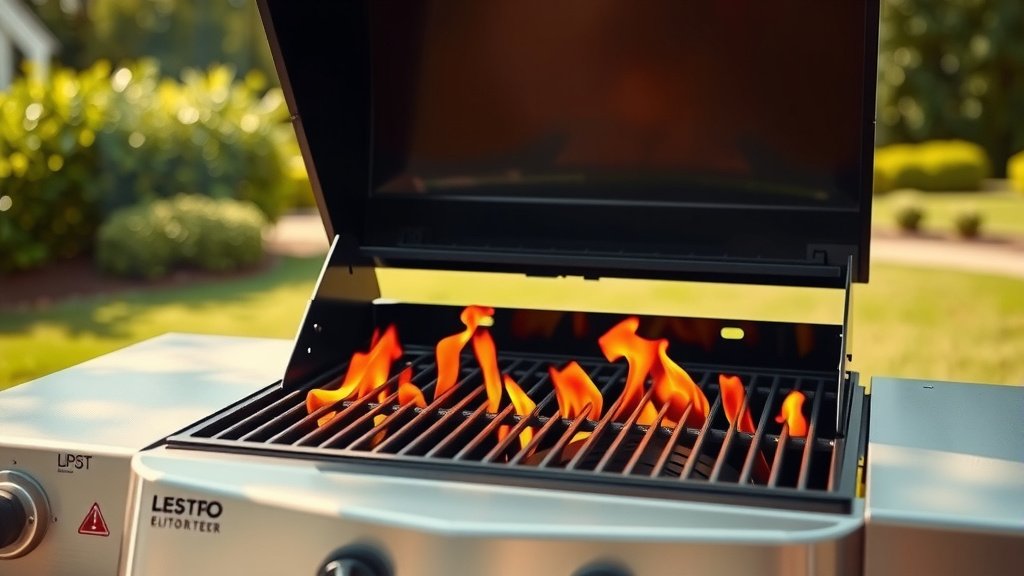
A gas grill can get very hot, with most models reaching temperatures between 400°F to 600°F (200°C to 315°C) inside the closed lid. When directly over the burners, the grates can soar even higher, sometimes exceeding 700°F (370°C) for intense searing.
The exact temperature your gas grill achieves depends on its BTU output, design, and how you manage the heat, offering a versatile range for cooking everything from slow roasts to perfectly seared steaks.
TL;DR: Here’s the hot scoop on gas grill temperatures:
- Gas grills typically heat up to 400-600°F, with grates reaching over 700°F.
- Heat output is measured in BTUs; higher BTUs generally mean more heat.
- Factors like the lid, ambient temperature, and burner control affect actual heat.
- Different foods require specific temperature zones for optimal cooking.
- Always use a reliable thermometer for accurate temperature readings.
How Hot Does A Gas Grill Get?
Your gas grill can reach impressive temperatures, typically warming up to 400 to 600 degrees Fahrenheit (200-315°C) when the lid is closed. This range allows for versatile cooking, from gentle roasting to powerful searing.
Understanding BTU: Your Grill’s Power Core
Ever wonder why some grills feel hotter than others? It often comes down to BTUs, or British Thermal Units. This number tells you how much heat your grill’s burners can produce. More BTUs mean more heat, generally speaking.
What Do BTUs Really Mean for Your Grill?
A higher BTU rating indicates your grill has the capacity for intense heat. However, it’s not the only factor. A well-designed grill with lower BTUs can sometimes heat more efficiently than a poorly designed one with higher BTUs, we found.
Key Factors Influencing Your Grill’s Heat
Many things play a role in how hot your gas grill actually gets. Think of it like a recipe; each ingredient contributes to the final result. Understanding these elements helps you become a master of the flame.
The Power of the Lid: Open vs. Closed
Keeping the lid closed traps heat, turning your grill into an oven. This is vital for even cooking and reaching higher temperatures. Opening the lid lets heat escape, lowering the internal temperature quickly.
Burner Control: Your Temperature Dial
Each burner acts as a heat zone. By adjusting them, you create different temperature areas across your grill. This zone management is a secret to grilling multiple items perfectly at once.
Ambient Temperature: The Weather’s Role
Are you grilling on a freezing winter day or a scorching summer afternoon? The surrounding air temperature affects how hard your grill works to maintain heat. Cold weather means a longer preheat and potentially lower max temps.
Fuel Level: Don’t Run on Empty
A low propane tank can prevent your grill from reaching its full potential. Always check your fuel level before starting. You do not want to run out of gas mid-cook, do you?
Why Temperature Zones Matter for Grilling Success
Different foods thrive at different temperatures. Knowing your grill’s heat zones helps you cook everything perfectly. You want a high sear for steaks, but a gentle roast for chicken.
Here’s a general guide to ideal grilling temperatures for popular foods:
- Low Heat (225-300°F / 107-149°C): Perfect for slow cooking, smoking, or roasting thicker cuts of meat like roasts or whole chickens.
- Medium Heat (300-400°F / 149-204°C): Great for cooking poultry pieces, fish fillets, vegetables, and fruit.
- High Heat (400-500°F / 204-260°C): Ideal for searing steaks, chops, and burgers to create that delicious crust.
- Extreme Sear (500°F+ / 260°C+): For thick steaks you want to char quickly, creating a deep, flavorful crust.
Measuring Your Grill’s True Temperature
The thermometer on your grill’s lid might not tell the whole story. It often measures the ambient air, not the grate temperature. For accuracy, consider an infrared thermometer or a good probe thermometer, many experts say.
Preheating: The Non-Negotiable First Step
Just like your oven, a grill needs to preheat properly. This ensures your grates are hot enough for searing and prevents food from sticking. Aim for 10-15 minutes of preheating with the lid closed.
Mastering Temperature Control on Your Gas Grill
Controlling the heat is where your grilling skills truly shine. It’s not about setting it and forgetting it; it’s about active management. You need to pay attention to those burners and the lid.
Direct vs. Indirect Heat: Knowing the Difference
Direct heat means food cooks right over the flame, great for quick searing. Indirect heat places food next to a lit burner, allowing for slower, oven-like cooking. Using both expands your cooking options significantly.
Cleaning Your Grill for Better Performance
Food debris and grease buildup can block burner ports and affect heat distribution. A clean grill operates more efficiently and heats more evenly. Regular cleaning is a must for consistent temperatures.
Common Pitfalls When Aiming for Peak Heat
Sometimes, your grill just does not get as hot as you want. There are a few common culprits. You might be facing a simple fix or a need for a deeper clean.
| Issue | Possible Cause | Solution |
|---|---|---|
| Low Max Temperature | Low propane, dirty burners, faulty regulator | Check tank, clean burners, replace regulator |
| Uneven Heat | Clogged burner holes, bent heat deflectors | Clean holes, straighten deflectors |
| Grill Not Lighting | Empty tank, clogged lines, faulty igniter | Replace tank, clear lines, check igniter |
| Yellow/Orange Flames | Dirty burners, gas flow issue | Clean burners, check connections |
Safety First: Grilling Responsibly
High temperatures are powerful, so always grill safely. Ensure your grill is on a stable, non-combustible surface, away from anything flammable. Never leave a hot grill unattended (NFPA).
Your Pre-Grilling Checklist for Success
Before you light up, a quick check can save you headaches. Here are some quick things to look for:
- Is your propane tank full?
- Are the burner ports clear of debris?
- Is the grill grate clean and oiled?
- Do you have all your tools ready?
- Is the grill placed in a safe, open area?
Conclusion
Understanding “How Hot Does A Gas Grill Get?” is key to unlocking its full potential. From searing steaks at 700°F to slow-roasting chicken at 250°F, your gas grill is a versatile cooking machine. By knowing the factors that affect heat, using proper preheating techniques, and measuring temperatures accurately, you can master your grill and deliver delicious results every time. Happy grilling, and enjoy the perfect meal!
How do I know my gas grill is hot enough?
The best way to know your gas grill is hot enough is by using a reliable thermometer, either one built into the lid (for overall air temperature) or a separate, accurate probe thermometer for grate temperature. Many experts say a visual check involves seeing if your hand can only stay above the grates for a few seconds.
Can a gas grill get too hot?
Yes, a gas grill can certainly get too hot. While high heat is good for searing, excessive temperatures can burn food quickly on the outside before it cooks through on the inside. It also wastes fuel and can potentially damage grill components over time.
Why is my gas grill not getting hot enough?
There are several reasons why your gas grill might not be getting hot enough. Common issues include a low propane tank, clogged burner tubes or orifices, a faulty gas regulator or hose, or even grilling in very cold and windy weather without proper wind protection.
How long does it take for a gas grill to heat up?
Most gas grills take about 10 to 15 minutes to preheat to their desired cooking temperature. This timeframe can vary based on the grill’s BTU output, the ambient air temperature, and how full your propane tank is.
Is it better to grill with the lid open or closed?
It is almost always better to grill with the lid closed, especially when preheating or cooking thicker cuts of meat. The closed lid traps heat, cooks food more evenly, and helps maintain a consistent internal temperature. You typically only open the lid to flip food or check on its doneness.
