
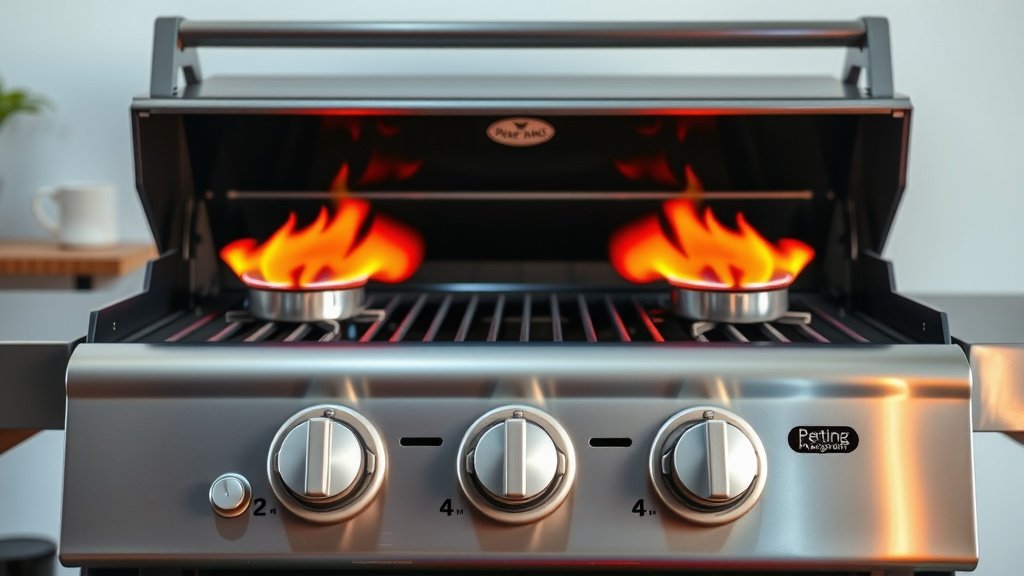
A BBQ grill can get surprisingly hot, often reaching temperatures between 225°F (107°C) for low-and-slow smoking and well over 600°F (315°C) for intense searing.
The exact temperature your BBQ grill reaches depends heavily on the fuel type, airflow, ambient weather, and your specific grilling goals.
- A BBQ grill’s temperature can swing from low smoking heat to high searing heat.
- Understanding these temperature ranges helps you cook different foods perfectly.
- Factors like your grill type, fuel, and even the weather play a big part in heat levels.
- Using the right thermometer is key for both safety and delicious results.
- Controlling your grill’s heat means adjusting airflow for charcoal or burner settings for gas.
How Hot Does A BBQ Grill Get?
Your BBQ grill can reach temperatures anywhere from a gentle 225°F for smoking to a fierce 700°F or more for searing steaks. It all depends on what you are cooking.
Why Grill Temperature Matters So Much
Think of your grill’s temperature as the heart of great BBQ. Getting it right is not just about taste; it is about safety too. Too low, and your food might not cook through. Too high, and you get burnt outsides with raw insides. Nobody wants that, right?
Many grilling enthusiasts found that precise temperature control changes everything. It turns good food into truly amazing food. It helps you achieve that perfect sear, that tender smoky flavor, and that juicy interior every time.
Understanding Grill Temperature Zones
Just like an oven, your grill has different heat zones for different cooking tasks. Knowing these zones helps you prepare various dishes. You would not cook a delicate fish fillet the same way you cook a thick steak.
Low Heat (225-275°F)
This range is perfect for low-and-slow cooking and smoking. Think about tender ribs, brisket, or a whole chicken. This gentle heat slowly breaks down tough fibers. It also infuses your food with smoky flavor without burning the outside.
Medium Heat (325-375°F)
Medium heat is your go-to for many everyday grilling items. This is ideal for most poultry pieces, sausages, and vegetables. It allows food to cook through evenly while getting a nice golden-brown exterior. It is a very versatile temperature zone for regular weeknight meals.
Medium-High Heat (375-450°F)
When you want a good sear but still need internal cooking, medium-high is your friend. This range works well for thicker cuts of chicken, pork chops, and most burgers. You get those beautiful grill marks and a crispy texture. It is a good balance for cooking without drying out your food.
High Heat (450-600°F+)
This is where the magic happens for searing. High heat quickly creates a fantastic crust on steaks, chops, and even some vegetables. It caramelizes the sugars and fats on the surface. This intense heat is perfect for a quick, flavorful char. It locks in juices before you move the food to a cooler zone to finish cooking.
Factors Affecting Your Grill’s Heat
Several things can change how hot your grill gets. It is like a science experiment in your backyard! Understanding these factors gives you better control. This helps you become a true grill master in your neighborhood.
- Fuel Type: Charcoal grills generally reach higher temperatures than gas grills, and pellet grills offer more precise, lower-temperature control.
- Airflow: For charcoal, more oxygen means hotter coals. For gas, proper ventilation is key.
- Ambient Temperature: Grilling on a cold, windy day will require more fuel and effort to maintain heat than on a calm, warm day.
- Grill Type and Material: Ceramic kamado-style grills hold heat incredibly well. Thin metal grills lose heat faster.
- Lid Position: Closing the lid traps heat, making the grill hotter and cooking food faster.
Essential Tools for Measuring Heat
How do you know if your grill is at the right temperature? You cannot just guess! You need reliable tools. Using thermometers takes the guesswork out of grilling. It ensures your food is safe and delicious.
Built-in Thermometers
Most grills come with a thermometer in the lid. These are good for a general idea of the air temperature inside the grill. However, many experts found they are often inaccurate and measure air temperature, not the grate temperature. They are a starting point, but not the final word.
Instant-Read Thermometers
These are a must-have for checking the internal temperature of your food (USDA). They give you a quick, accurate reading. This prevents undercooked or overcooked meat. This tool is probably the most important for food safety.
Grill Surface Thermometers
These thermometers sit directly on your grill grates. They tell you the actual temperature where your food cooks. This is incredibly helpful for searing or baking on the grill. It gives you a more precise idea of your cooking surface heat.
Target Temperatures for Perfect Results
Different foods cook best at different grill temperatures. Here is a quick guide to help you hit those sweet spots. Remember, these are guidelines, and personal preference matters.
| Food Item | Ideal Grill Temp (Fahrenheit) | Cooking Method |
|---|---|---|
| Steaks (thick cuts) | 450-600°F | Searing, then indirect finish |
| Burgers | 375-450°F | Direct grilling |
| Chicken (bone-in) | 325-375°F | Indirect grilling, then direct sear |
| Fish Fillets | 350-400°F | Direct grilling, gentle heat |
| Vegetables | 350-400°F | Direct grilling |
| Ribs/Brisket | 225-275°F | Low-and-slow smoking |
Mastering Temperature Control
Controlling your grill’s heat is a skill that comes with practice. It is about making small adjustments and learning how your specific grill behaves. This skill will make you a far better griller.
Gas Grill Adjustments
With a gas grill, temperature control is mostly about your burner settings. You can turn burners up or down. You can also turn some off completely for indirect cooking zones. This offers great flexibility and precision for various cooking methods. Preheating is also very important here.
Charcoal Grill Adjustments
For charcoal, it is all about airflow and coal arrangement. Open vents mean more oxygen, which means hotter coals. Closing them starves the fire and cools things down. You can also arrange coals for direct and indirect zones. Learning your vents is the key to charcoal mastery.
Safety First: Avoiding Grill Overheating
While high heat is great for searing, uncontrolled high heat can be dangerous. Always prioritize safety when grilling. Preventing flare-ups and keeping a safe distance is critical. Here are some quick tips:
- Always keep a spray bottle of water nearby for small flare-ups.
- Never leave a hot grill unattended, especially when it is at high temperatures.
- Ensure your grill is clean; grease buildup can easily cause fires.
- Check gas lines and connections regularly for leaks if using a gas grill.
- Maintain proper clearance from anything flammable around your grill.
Conclusion
Knowing “How Hot Does A BBQ Grill Get?” is more than just a fun fact; it is a fundamental skill for any griller. From low-and-slow smoking to high-heat searing, understanding and controlling your grill’s temperature unlocks a world of culinary possibilities. Arm yourself with a good thermometer, learn your grill’s quirks, and always prioritize safety. With practice, you will be creating perfectly cooked, delicious meals every time you fire up the grill. Happy grilling, and enjoy the delicious journey!
FAQ: What is the ideal temperature for grilling chicken breasts?
For grilling chicken breasts, a medium heat of 350-400°F (175-200°C) is generally ideal. This allows them to cook through without burning the outside, while still getting nice grill marks. Always use an instant-read thermometer to ensure the internal temperature reaches 165°F (74°C).
FAQ: Can I use my hand to check grill temperature?
While some traditional methods involve holding your hand over the grates, it is not recommended for accuracy or safety. It is much safer and more precise to use a grill surface thermometer. This provides an objective reading without risking burns or guesswork.
FAQ: How long does it take for a charcoal grill to get hot?
A charcoal grill typically takes about 20-30 minutes to get to cooking temperature. You want to see the coals mostly covered in a light gray ash, indicating they are hot and ready. Rushing it can lead to uneven heat and frustrating results.
FAQ: What causes flare-ups on a BBQ grill?
Flare-ups are often caused by fat dripping from your food onto the hot coals or burner covers. This ignites the fat, causing flames. Keeping your grill clean, trimming excess fat from meat, and having a water spray bottle handy can help manage them.
FAQ: Does the weather affect my grill’s temperature?
Yes, absolutely! Cold or windy weather can significantly reduce your grill’s temperature, making it harder to maintain heat. On such days, you might need more fuel (for charcoal) or higher gas settings. Using your grill’s lid and placing it out of direct wind helps a lot.
