
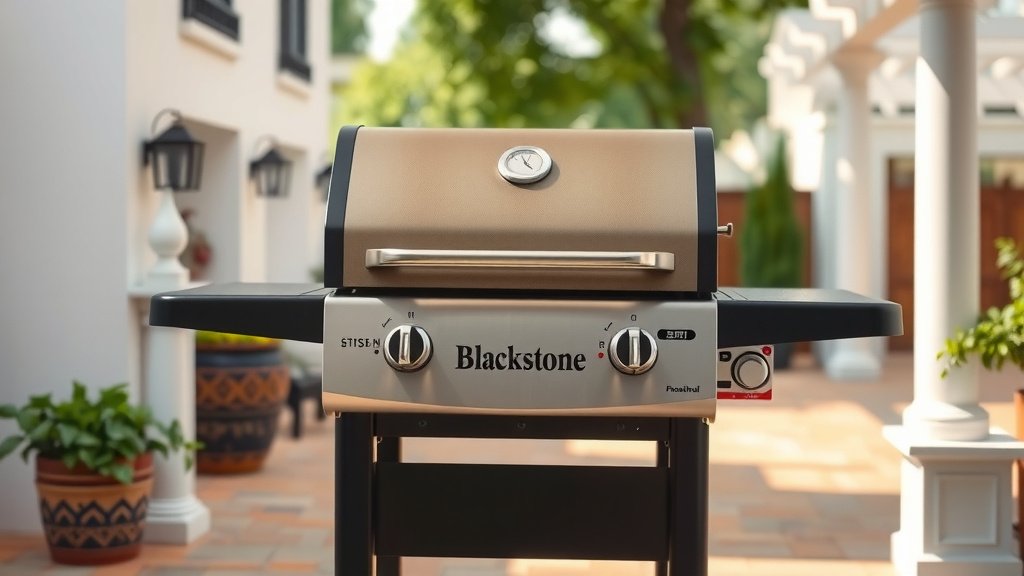
Yes, you absolutely need to season a Blackstone grill before its first use. This critical step creates a non-stick cooking surface and protects the griddle from rust.
Seasoning your Blackstone griddle also improves food flavor over time and makes cleaning much easier after each cooking session.
- Seasoning your new Blackstone grill is essential for rust prevention and a non-stick surface.
- This process involves cleaning, applying a thin layer of cooking oil, and heating the griddle.
- Repeat the oil and heat steps several times for the best results, building up a durable layer.
- Regular re-seasoning and proper cleaning will maintain your griddle’s performance and longevity.
- Think of seasoning as building a protective, flavorful layer, much like caring for a beloved cast iron pan.
Do You Have To Season A Blackstone Grill?
Yes, seasoning your Blackstone grill is a vital first step, much like preparing a canvas before painting. It creates a durable, non-stick cooking surface and shields the griddle from corrosion.
Why Seasoning Your Blackstone is Non-Negotiable
Imagine buying a brand-new car and never changing its oil. That wouldn’t work well, right? Seasoning your Blackstone is similar. It forms a protective barrier, making your griddle last longer and perform better (Blackstone Griddle care guides often point to this).
This process also builds up a rich, dark patina. This patina is what gives your food that authentic, delicious griddle taste. Without it, your food might stick, and you could face frustrating rust issues.
The Science of Seasoning: A Thin, Baked-On Layer
Seasoning isn’t just oil sitting on the surface. When you heat the griddle with oil, the oil undergoes a process called polymerization. This means it bakes onto the metal, creating a hard, plastic-like coating.
This coating fills the tiny pores in the griddle’s steel, creating a smoother cooking surface. It’s what gives seasoned griddles their amazing non-stick properties over time.
What You’ll Need for a Successful Seasoning Session
Getting ready is simple. You’ll need a good quality cooking oil, paper towels, and a pair of tongs. A scraper or spatula can also be helpful for later maintenance.
Make sure your griddle is outdoors or in a very well-ventilated area. Seasoning can produce some smoke, so a garage door open is a good idea.
Step-by-Step: How to Season Your Blackstone Grill
Ready to get started? This process is straightforward and quite rewarding. Think of it as welcoming your new griddle to the family.
Initial Cleaning: A Fresh Start
Before any oil, give your new griddle a good wash. Use warm, soapy water and a sponge to remove any factory residue. Rinse it thoroughly and dry it completely. Many users find a paper towel does the trick for drying.
Applying the First Oil Layer
Now, apply a thin, even layer of your chosen seasoning oil. A tablespoon or two is usually enough for an entire griddle. Use paper towels held with tongs to spread it across the entire surface, including the sides.
Wipe off any excess oil. You want a nearly invisible layer, like a faint sheen. Too much oil will create a sticky mess, not a good seasoning.
Heating it Up: The Smoke and Bake
Turn your Blackstone griddle on high heat. Watch as the oil begins to smoke. This smoke is a sign that the polymerization is happening.
Let it smoke until it stops, usually about 15-20 minutes. The griddle surface will turn dark brown or black. This is exactly what you want to see.
Repeating the Process: Building Layers
After the first smoking stops, turn off the griddle and let it cool slightly. Then, repeat the oil application and heating steps. Most experts recommend repeating this process 3 to 5 times for a solid initial seasoning (many griddle user manuals confirm this).
Each layer builds on the last, creating a stronger, more even non-stick surface. Patience here pays off in the long run.
Best Oils for Seasoning Your Blackstone
Which oil should you use? The best oils have a high smoke point and are easy to spread. Here’s a quick comparison:
| Oil Type | Smoke Point (Approx.) | Notes for Seasoning |
|---|---|---|
| Flaxseed Oil | 225°F (107°C) | Creates a very hard, durable finish. Can be prone to flaking if applied too thick (some research notes this). |
| Avocado Oil | 520°F (271°C) | Excellent high smoke point, very durable, widely recommended. |
| Grapeseed Oil | 420°F (216°C) | Good all-around choice, widely available, easy to work with. |
| Canola Oil | 400°F (204°C) | Affordable and effective, a common choice for initial seasoning. |
| Vegetable Oil | 400°F (204°C) | Similar to canola, very accessible and works well. |
Many griddle enthusiasts prefer avocado or grapeseed oil for their durability. However, canola and vegetable oil are also excellent, affordable options to start with.
How Often Should You Re-Season Your Blackstone?
After the initial seasoning, you won’t need to do a full multi-layer process often. Many users find that cooking fatty foods regularly helps maintain the seasoning. Think bacon, burgers, or steak!
If you notice food sticking, or see light spots appearing on your griddle, it’s time for a touch-up. A quick single-layer seasoning after cleaning can restore its non-stick magic.
Signs Your Blackstone Needs More Seasoning Love
Your griddle will tell you when it needs attention. If eggs stick like glue, or if you spot any rust, it’s a clear signal. A dull, dry appearance also means it’s ready for another thin layer of oil and heat.
Don’t wait until it’s a rusty mess. A little attention often prevents bigger problems later on.
Common Seasoning Mistakes to Sidestep
We’ve all made mistakes, but some are easily avoided. Using too much oil is a big one; it leads to a sticky, gummy surface. Not heating the griddle long enough is another, as the oil won’t polymerize properly.
Also, don’t use olive oil for seasoning. Its low smoke point makes it less ideal for creating a durable finish. Save the olive oil for dressing your salad!
Maintaining Your Seasoned Surface: Post-Cook Care
After each cook, cleaning is crucial. Scrape off any food residue, then wipe the griddle clean with paper towels. While the griddle is still warm, apply a very thin layer of cooking oil. This protects the surface until your next cook.
Think of it as tucking your griddle in for the night, ready for its next big meal. This simple step keeps your seasoning strong.
Blackstone Griddle Care: A Quick Checklist
Keeping your griddle in top shape is easier than you might think. Follow these simple steps for long-lasting performance:
- Season new griddles thoroughly before first use.
- Clean your griddle after every cook, removing food bits.
- Apply a thin coat of oil after cleaning, while the griddle is warm.
- Store your griddle in a dry place, away from moisture.
- Address any rust spots immediately with steel wool and re-seasoning.
- Avoid harsh soaps or abrasive cleaners on the seasoned surface.
Troubleshooting: My Seasoning Isn’t Working!
If your seasoning looks sticky or isn’t holding up, don’t panic. This is often due to too much oil or not enough heat. You can fix this!
Scrape off the sticky layer with a grill scraper. Then, re-clean the area and apply a very thin layer of oil. Heat it until it smokes, and you should be back on track. It’s a forgiving process!
Conclusion
Seasoning your Blackstone grill isn’t just a suggestion; it’s a necessary step for enjoying years of fantastic griddle cooking. It creates that perfect non-stick surface and protects your investment from rust.
By following these steps, choosing the right oil, and performing regular maintenance, you’ll ensure your griddle remains a joy to cook on. Your food will taste better, and cleanup will be a breeze. Happy griddling!
What if I forget to season my new Blackstone?
If you forget, don’t worry! You can season your Blackstone griddle at any time. Just clean it thoroughly to remove any existing residue or rust, then follow the multi-layer seasoning process as if it were brand new. It’s never too late to start.
Can I use butter or lard for seasoning?
While butter and lard can be used, they generally aren’t recommended for initial seasoning. Butter has a low smoke point and contains milk solids that can burn. Lard works better than butter but can go rancid over time if not used frequently, unlike polymerized oils.
How long does the initial seasoning process take?
The initial seasoning process, including cooling time between layers, typically takes about 1 to 2 hours. This depends on how many layers you apply. Each heating and cooling cycle lasts about 15-20 minutes.
My griddle has sticky spots after seasoning, what went wrong?
Sticky spots usually mean you applied too much oil during a seasoning layer, or the oil didn’t get hot enough to fully polymerize. To fix this, scrape off the sticky residue, clean the area, and re-season with a much thinner coat of oil.
Does the type of food I cook affect my griddle’s seasoning?
Yes, it absolutely does! Cooking foods with higher fat content, like bacon or burgers, often contributes to building and maintaining a strong seasoning layer over time. Think of it as a natural re-seasoning every time you cook those delicious items.
