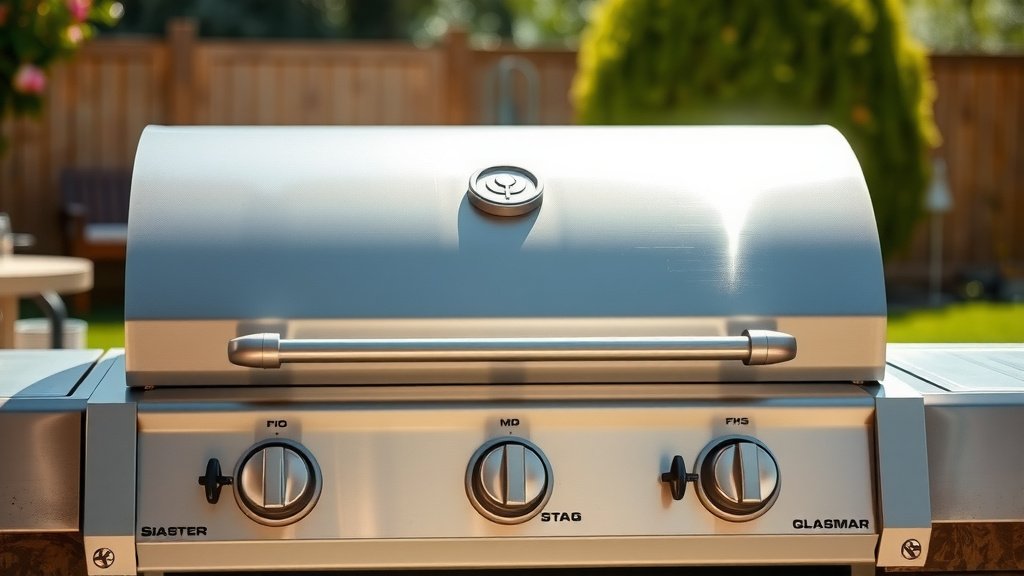
Can You Use Oven Cleaner On A Gas Grill?
No, you generally should not use oven cleaner on a gas grill.
It contains harsh chemicals that can damage your grill’s materials and leave dangerous residues that may contaminate your food.
- Oven cleaner is far too strong for gas grills and their components.
- It risks damaging stainless steel, enamel, and crucial aluminum parts.
- Dangerous chemical residues can linger, potentially contaminating your food later.
- Always opt for cleaning products specifically designed and labeled for grills.
- Regular, gentle maintenance is the safest and most effective approach for your grill.
Can You Use Oven Cleaner On A Gas Grill?
Using oven cleaner on your gas grill is generally a bad idea and can lead to problems. It is designed for different materials and cleaning challenges than those found on an outdoor grill.
Why Oven Cleaner Is a Bad Idea for Your Grill
You might think oven cleaner, with its powerful grease-cutting abilities, is a quick fix for a dirty grill. However, this common household product is simply too aggressive for your grill’s components and your safety.
The Chemical Cocktail
Oven cleaners contain very potent chemicals, like lye or sodium hydroxide. These compounds are fantastic for breaking down baked-on carbon inside an oven, but they are a real hazard for grill materials. Imagine what that strength could do to your delicate grill parts.
Damage to Grill Components
Your grill features a mix of stainless steel, enamel, and often aluminum parts. Oven cleaner can pit and discolor stainless steel, strip protective enamel coatings, and even corrode aluminum. This kind of damage can shorten your grill’s lifespan significantly.
Lingering Residues and Food Safety
Even if you rinse thoroughly, it is incredibly difficult to completely remove all traces of oven cleaner. Those leftover chemical residues can then vaporize when you heat your grill, potentially contaminating your food. This poses a serious health risk (Consumer Reports advises against it).
Understanding Your Grill’s Materials
To really grasp why oven cleaner is a no-go, think about what your grill is made of. Each material requires specific care to keep it in prime condition and to prevent accidental harm. Knowing your grill’s makeup helps you choose the safest cleaning methods.
Stainless Steel Considerations
Many high-quality gas grills boast stainless steel exteriors and cooking grates. While tough, stainless steel can be scratched or discolored by harsh chemicals. Oven cleaner can leave ugly streaks and permanent etching on this beautiful finish.
Enameled and Porcelain Grates
Many grates and internal components have a porcelain enamel coating. This layer is designed to be non-stick and easy to clean. Oven cleaner, however, can quickly erode this enamel, leading to rust and a sticky, uneven cooking surface.
Aluminum Parts
Internal components like burner covers or heat diffusers often use aluminum. Aluminum is lightweight but very reactive to strong bases, like the lye in oven cleaner. Exposure can cause it to darken, weaken, and deteriorate rapidly.
Safer Alternatives for a Sparkling Grill
Don’t despair! There are many safe and effective ways to get your grill looking great without resorting to dangerous chemicals. You want solutions that clean thoroughly but are also kind to your grill and your health.
Warm Soapy Water: The Gentle Giant
For light grease and grime, a bucket of warm water with dish soap is often all you need. Use a soft cloth or sponge to wipe down surfaces. This method is safe, effective, and readily available in any home.
Dedicated Grill Cleaners
The best option for a deep clean is a purpose-made grill cleaner. For related guidance, see grill grate cleaners. We found that these products are formulated to tackle grill grease without harming the materials. Always check the label to ensure it’s safe for your specific grill type.
Natural Cleaning Solutions
For an eco-friendly approach, consider a paste of baking soda and water. Apply it to stubborn spots, let it sit, then scrub. White vinegar diluted with water also works wonders for cutting grease and shining surfaces. These options are non-toxic and budget-friendly.
The Right Way to Clean Your Gas Grill
Cleaning your grill doesn’t have to be a dreaded chore. With the right tools and a smart routine, you can keep your grill performing at its best for years. Regular cleaning prevents rust and ensures delicious, contaminant-free food.
Post-Grill Scrape Down
Always scrape your grates after each use while they are still warm. A good grill brush will remove most food residue before it hardens. This simple step makes future deep cleans much easier to tackle.
Deep Cleaning Your Grates
For more baked-on grime, you need a targeted approach. Let’s compare a few grate cleaning methods you should consider. You’ll want something that is effective but also safe for your cooking surfaces.
| Cleaning Method | Pros | Cons |
|---|---|---|
| Oven Cleaner | Powerful degreaser | Damages grill, leaves residue, unsafe |
| Dedicated Grill Cleaner | Safe for grill, effective | May require scrubbing, cost |
| Warm Soapy Water | Safe, inexpensive, readily available | Less effective on baked-on grime |
| Vinegar & Baking Soda | Natural, non-toxic, effective | Requires more dwell time, manual effort |
Cleaning Burner Tubes and Interior
Periodically inspect and clean your burner tubes to ensure even flame distribution. Remove any debris or spiderwebs blocking the ports. Use a soft brush or wire to gently clear them, ensuring your grill heats efficiently and safely. If one side burns low, see our guide to uneven grill flames.
Maintaining the Exterior
Keep the outside of your grill looking sharp with a simple wipe-down. Use warm soapy water or a stainless steel cleaner if applicable. This prevents rust and keeps your grill looking inviting for your next outdoor cooking session. A clean exterior reflects good care.
When to Seek Professional Help or Replace Parts
Sometimes, despite your best cleaning efforts, parts wear out or damage occurs. If you notice persistent rust, broken igniters, or uneven heating, it might be time for a professional check-up. Don’t risk your safety with damaged or failing components.
Here’s a quick checklist for a proper grill cleaning:
- Preheat grill to loosen food, then scrape grates thoroughly with a grill brush.
- Allow the grill to cool completely before any further cleaning steps.
- Remove grates and clean them with a dedicated grill cleaner or soapy water.
- Clean flavorizer bars or heat tents to remove grease buildup.
- Inspect burner tubes for blockages and carefully clear them if needed.
- Wipe down the grill’s interior and exterior surfaces with appropriate cleaners.
Conclusion
Using oven cleaner on your gas grill is a shortcut that comes with significant risks. It can harm your grill’s materials, creating rust and uneven cooking surfaces. More critically, it leaves behind dangerous chemical residues that can contaminate your food. Stick to products specifically designed for grills or gentle, natural solutions. Your grill will thank you, and your meals will be safer and more delicious. Prioritizing safety and proper maintenance ensures many years of enjoyable grilling.
How often should I clean my gas grill deeply?
Many experts suggest a deep clean at least twice a grilling season, typically at the start and end. Regular light cleaning after each use helps prolong the time between deep cleans.
Can I use a pressure washer to clean my grill?
Using a pressure washer on your grill is not recommended. The high pressure can damage delicate components like burner tubes, igniters, and electrical connections, leading to expensive repairs.
What should I do if I accidentally used oven cleaner on my grill?
If you’ve already used oven cleaner, rinse the grill parts repeatedly and extremely thoroughly with water. Let it air dry completely. Then, heat the grill on high for at least 30 minutes to burn off any remaining fumes before using it for cooking.
Are there any grill parts that are safe for oven cleaner?
No, generally, no part of a gas grill is considered safe for oven cleaner. The harsh chemicals can cause damage or leave residues on all typical grill materials, including grates, flavorizer bars, and the cook box.
What is the best way to prevent stubborn grease buildup on my grill?
The best prevention is a quick clean after every use. Scrape the grates while warm, and wipe down any spills on the exterior. This simple routine drastically reduces the need for heavy-duty cleaning later.