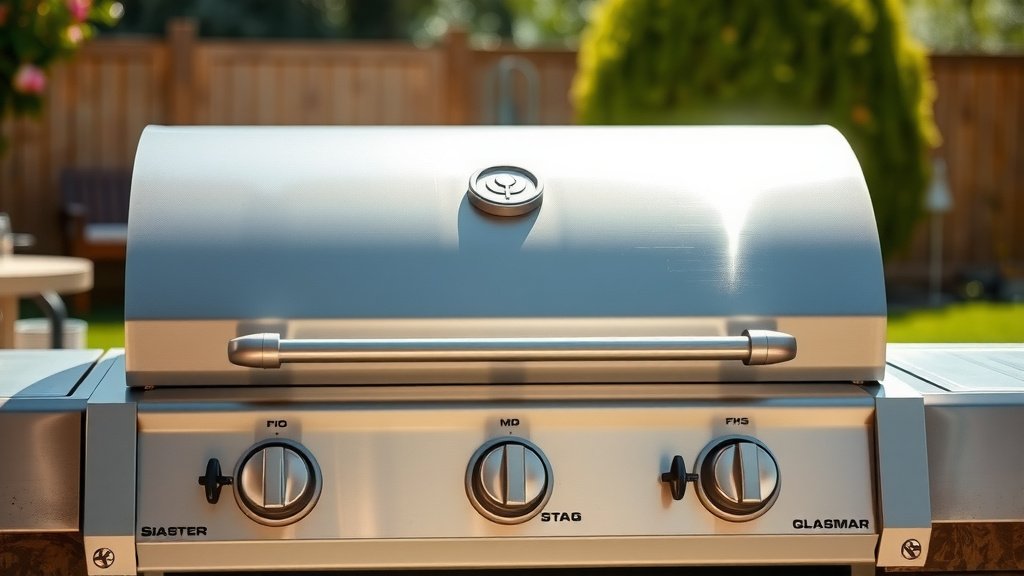
How To Clean A Greasy Gas Grill?
To clean a greasy gas grill, preheat it to burn off food residue, then scrub the grates with a wire brush.
Once cooled, remove grates and flavorizer bars for a deeper clean with warm soapy water, thoroughly rinsing and drying each part.
Here’s a quick overview of what you’ll learn to keep your grill sparkling:
- Discover the essential tools for effective grill cleaning.
- Learn the step-by-step process for deep cleaning your gas grill.
- Understand how to tackle stubborn grease on grates and internal components.
- Get tips on maintaining a clean grill after every cookout.
Are you looking at your gas grill, wondering how to tackle that layer of grease and grime? It’s a common sight for many grill masters, but cleaning it isn’t as tough as it looks. A clean grill isn’t just about appearances; it also ensures your food tastes better and your grill lasts longer. Think of it as giving your grill a spa day.
How To Clean A Greasy Gas Grill?
Cleaning a greasy gas grill involves a systematic approach, starting with burning off residue and then scrubbing thoroughly. We found that regular cleaning prevents grease buildup, making future sessions easier.
Gather Your Grill Cleaning Arsenal
Before you begin, collecting the right tools will make your cleaning project much smoother. You wouldn’t paint a wall without a brush, right? The same goes for grill cleaning.
Essential Tools You’ll Need
- A sturdy wire grill brush (or a non-wire alternative).
- Warm water and dish soap (a degreasing soap works best).
- Scraper tool (for tough, baked-on bits).
- Gloves (to protect your hands from grime).
- A bucket or large basin.
- Paper towels or old rags.
- Aluminum foil (for crumb trays).
- Spray bottle (for water or cleaning solution).
The Preheat and Burn-Off Method
This is often the first step in deep cleaning your gas grill. It’s like turning up the heat to loosen a stubborn sticker. Many experts say that preheating helps carbonize food residue, making it easier to remove (Barbecue Industry Association).
Turn all your grill burners to high heat and close the lid. Let it run for 15-20 minutes. This high heat will turn any food bits into ash. Once time is up, turn off the gas and let the grill cool down completely. Safety first, always!
Tackling the Grill Grates
The grates are where your food touches, so they need the most attention. They’re often the greasiest part, collecting charred food and oil. Don’t shy away from a bit of elbow grease here.
Scraping and Scrubbing the Grates
After the grill has cooled, use your wire brush or a brush with stiff nylon bristles to aggressively scrape the grates. Work in sections, moving across each bar. For stubborn spots, a scraper can really help. We found that scraping in different directions gets more grime off.
For a deeper clean, remove the grates from the grill. In a large bucket or sink, mix warm water with a generous amount of dish soap. Submerge the grates and let them soak for at least 30 minutes. This will help to loosen any remaining grease and baked-on food. Then, scrub them thoroughly.
Cleaning Inside the Grill Box
Don’t forget the inside walls and bottom of your grill. Grease drips and splatters can build up here, creating a sticky mess. This area can collect a surprising amount of residue over time.
Flavorizer Bars and Heat Tents
Carefully remove these components. They catch drippings and protect your burners. Scrape off any large pieces of debris with a scraper. Then, clean them with warm soapy water and a brush. Rinse them completely before drying.
Burners and Venturi Tubes
These parts are delicate, so handle them with care. Use a soft brush or a grill brush with plastic bristles to gently clean the burner ports. Avoid using anything that could scratch or clog the small holes. Many experts suggest never submerging burners in water.
If you see rust or corrosion, gently clean it, but understand that these parts may need replacing if they are too damaged. We found that keeping burner ports clear helps maintain even heat distribution.
The Drip Pan and Grease Tray
This is where all the greasy runoff collects, so it’s often the dirtiest part. Regularly cleaning this area is vital for hygiene and fire safety. Have you ever seen how much grease collects here? It’s often shocking!
Remove the drip pan and carefully empty any accumulated grease and debris into a trash can. Line your trash can with an old grocery bag first. Wash the tray with hot, soapy water. For stubborn grease, a scrub pad works wonders. You can also line the clean drip tray with aluminum foil for easier future cleanups.
Cleaning the Exterior Surfaces
Once the interior is sparkling, give your grill’s outside a good wipe-down. This helps protect the finish and maintain its appearance. A clean exterior reflects a well-maintained grill.
Use a damp cloth with mild soap and water to wipe down the lid, side tables, and control panel. For stainless steel, consider a specific stainless steel cleaner for a streak-free shine. Always wipe in the direction of the grain. Remember to dry everything thoroughly to prevent water spots.
A Quick Grill Cleaning Checklist
Here’s a handy checklist to ensure you don’t miss a spot:
- Preheat and burn off old food.
- Scrub grill grates thoroughly.
- Clean flavorizer bars and heat tents.
- Inspect and clean burner ports.
- Empty and wash the drip pan.
- Wipe down exterior surfaces.
Comparing Cleaning Tools: A Quick Look
Choosing the right tools can make a big difference in how effectively you clean. Some tools are better for certain tasks than others. Here’s a brief comparison to guide your choices:
| Cleaning Tool | Best Use | Pros | Cons |
|---|---|---|---|
| Wire Brush | Heavy-duty grate cleaning | Aggressive, removes tough grime | Can shed bristles, potential safety risk (FDA) |
| Nylon/Plastic Brush | Gentle grate cleaning, burner cleaning | Safer, no shedding bristles | Less aggressive on baked-on grime |
| Scraper Tool | Baked-on carbon, grill box interior | Excellent for stubborn deposits | Can scratch delicate surfaces |
| Soapy Water & Rag | General wiping, exterior, mild grease | Safe for most surfaces, affordable | Not for heavy carbon buildup |
| Steam Cleaner | Deep sanitation, various surfaces | Chemical-free, powerful degreaser | Can be expensive, not portable |
Keeping Your Grill Clean After Every Use
The secret to avoiding massive cleaning jobs? A quick clean after every cookout. It takes just a few minutes but saves hours later. It’s like wiping down your kitchen counter after cooking.
While the grates are still warm (but not scorching hot), use your grill brush to scrape off any food bits. This prevents them from hardening into a formidable crust. You’ll thank yourself later when your next grilling session is a breeze. Many professional grillers swear by this simple habit.
Conclusion
Cleaning a greasy gas grill may seem like a big job, but by following these steps, you’ll have it sparkling and ready for your next culinary adventure. A well-maintained grill cooks better and lasts longer, providing countless delicious meals. Regular cleaning is an investment in your grilling future. So, grab your tools and get ready to transform your grill from grimy to gleaming!
How often should you deep clean a gas grill?
You should aim to deep clean your gas grill at least twice a year, typically at the start and end of grilling season. For very frequent grillers, quarterly deep cleans might be beneficial to prevent heavy grease buildup and maintain optimal performance.
Is it safe to use oven cleaner on grill grates?
While some people use oven cleaner, it’s generally not recommended for grill grates, especially if they are porcelain-enameled, as it can damage the finish. It’s also very harsh and requires thorough rinsing to avoid chemical residue on your food. Stick to specialized grill cleaners or simple soap and water for best results.
What’s the best way to clean rusty grill grates?
For rusty grill grates, first try scrubbing vigorously with a wire brush. You can also create a paste of baking soda and water, apply it to the rust, let it sit for a while, and then scrub. White vinegar can also help break down rust. Always season grates with high-smoke-point oil after cleaning to prevent future rust.
Can I use aluminum foil to clean my grill grates?
Yes, you can absolutely use aluminum foil to clean your grill grates. Crumple a sheet of heavy-duty aluminum foil into a ball and hold it with tongs. Use it to scrub the grates while they are still warm after cooking. It’s a great alternative to a wire brush and effectively removes stuck-on food without leaving bristles.
How do I keep spiders and pests out of my gas grill?
To keep spiders and pests out, especially during periods of inactivity, ensure your grill is always clean and free of food debris. Cover the grill when not in use. Some experts also recommend checking and cleaning the venturi tubes (burner air intakes) periodically, as spiders often build nests there, which can block gas flow and create hazards.