
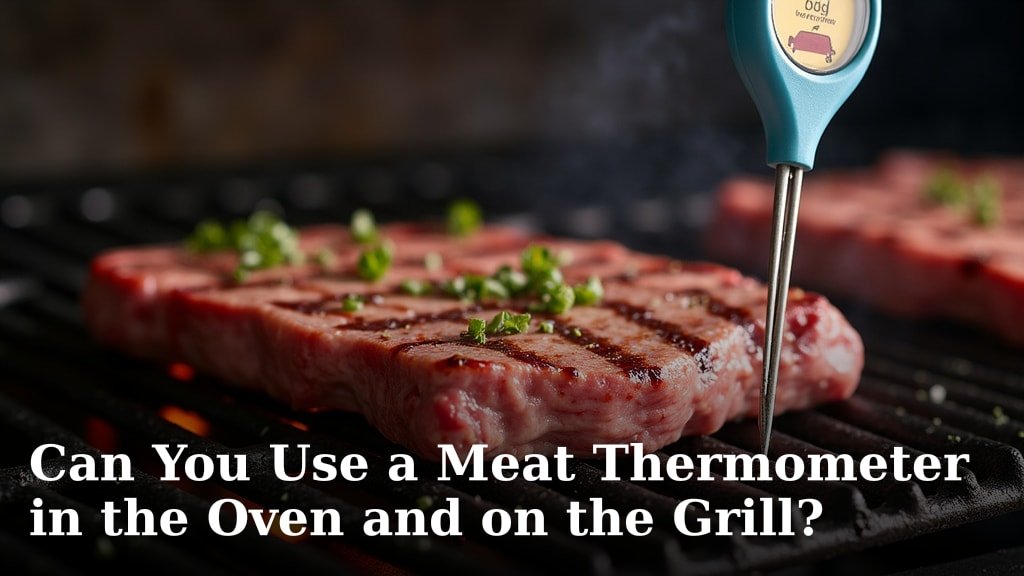
Yes, you absolutely can use a meat thermometer in the oven and on the grill. Many digital meat thermometers are designed to withstand the heat of both cooking environments, making them a versatile kitchen tool for ensuring your food is perfectly cooked. You just need to be sure your specific thermometer is built for these higher temperatures.
Using a meat thermometer is the best way to guarantee food safety and delicious results. It takes the guesswork out of cooking, preventing undercooked meals and overcooked, dry dishes. We found that having one reliable thermometer simplifies meal prep whether you’re baking indoors or grilling outdoors.
- Yes, most meat thermometers work in both ovens and on grills.
- Check your thermometer’s temperature range.
- Oven-safe probes are key for continuous monitoring.
- Wireless models offer convenience for grilling.
- Safety and accuracy are the main benefits.
Let’s dive into how you can effectively use your meat thermometer in both situations to achieve delicious, safe results every time.
Using Your Meat Thermometer in the Oven and on the Grill
Absolutely! You can definitely use a meat thermometer in both your oven and on the grill. It’s one of the most handy tools you can have in your kitchen. Many modern thermometers are built tough. They can handle the heat of both cooking environments without missing a beat. This means you get reliable temperature readings wherever you’re cooking.
The key is to ensure your thermometer is rated for the temperatures involved. Most ovens and grills can get quite hot. You don’t want a thermometer that will be damaged or give false readings. We’ve found that having a thermometer that works in both places really simplifies cooking. It saves you from buying multiple devices.
Oven Cooking: Your Thermometer’s Best Friend
When you’re roasting a turkey or baking a ham, your oven acts like a contained heat box. This is a controlled environment for your thermometer. You can often leave the probe inserted for the entire cooking time.
Types of Oven-Safe Thermometers
For oven use, you’ll often see two main types of thermometers. One is a traditional dial thermometer. The other is a digital thermometer with a probe and a separate display unit. We recommend digital models for their accuracy and ease of use.
Leave-In Probes for Ovens
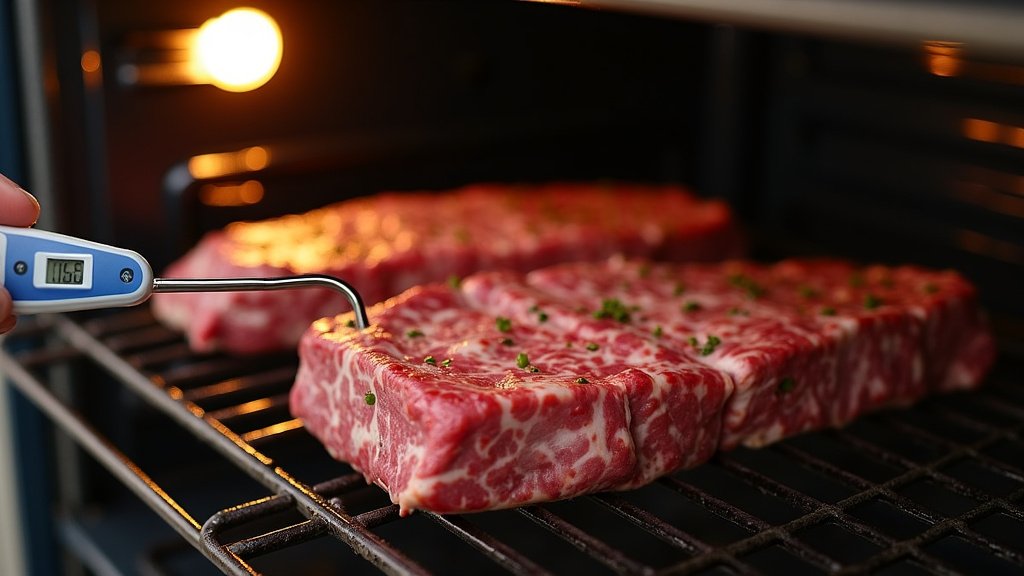
Many digital thermometers come with a metal probe connected by a heat-resistant wire to a base unit. These are often called “leave-in” probes. You insert the probe into the thickest part of the meat. Then, you run the wire out of the oven door. The base unit sits on your counter. It displays the temperature in real-time. This is fantastic because you don’t have to keep opening the oven door. Opening the door lets out heat and can extend cooking time. It also means you can monitor the temperature without getting too close to the hot oven.
We found that these leave-in probes are essential for larger roasts. Think about a whole chicken, a pork shoulder, or a beef brisket. You want to know the internal temperature without disturbing the cooking process. This continuous monitoring helps prevent overcooking.
Spot-Checking in the Oven
Some simpler digital or dial thermometers are not designed to be left in the oven. For these, you’ll need to briefly remove the food from the oven. Then, you can insert the thermometer to get a reading. This method is fine for smaller items or when you’re close to the expected cooking time. However, it’s less ideal for ensuring consistent doneness throughout a large cut of meat.
Ensuring Oven Safety and Accuracy
When using a thermometer in the oven, always check the manufacturer’s instructions. Make sure the probe and wire can withstand the oven’s maximum temperature. Some wires can melt or fray if they get too close to the heating element. Position the probe so it’s not touching any bones. Bones can conduct heat differently. This might give you a misleading temperature reading.
Research from food safety organizations like the USDA highlights the importance of reaching safe internal temperatures. For instance, they state poultry should reach 165°F (74°C). A reliable thermometer is your best tool to confirm this. We’ve seen many home cooks achieve perfect results by trusting their thermometer. Learn more about reaching safe internal temperatures for your food.
Grilling Adventures: Taking the Heat
Grilling brings a different set of challenges. You’re dealing with direct heat, flare-ups, and often less stable temperatures than an oven. But your meat thermometer can still be your trusty sidekick.
Grill-Friendly Thermometer Features
For grilling, we look for thermometers that can handle both high heat and a bit of outdoor grit. Many of the same leave-in probe digital thermometers work wonderfully on the grill. The probe goes into the meat, and the base unit stays safely away from the heat source.
Wireless Thermometers for Grilling
Wireless models are particularly popular for grilling. These often have a probe that transmits temperature data to a handheld receiver or a smartphone app. This is incredibly convenient. You can wander around your backyard, chat with guests, or tend to other tasks. All while keeping a close eye on your steak or ribs. You get instant updates without being tethered to the grill.
Many of these wireless receivers have built-in alarms. You can set your target temperature. The receiver will beep or vibrate when the meat reaches it. This is a game-changer for grilling perfection. It helps prevent that moment of panic when you think you’ve overcooked your prize-winning brisket. We’ve found these features make grilling much more relaxing.
Instant-Read Thermometers for Grilling
Instant-read thermometers are also useful on the grill. These are handheld devices. You quickly insert the probe into the meat and get a reading in a few seconds. They are perfect for checking burgers, sausages, or steaks periodically. They let you confirm doneness as the food cooks. They are generally not left in the food while grilling, though some rugged models can tolerate brief exposure.
Tips for Using Thermometers on the Grill
When grilling, always try to insert the probe into the center of the thickest part of the meat. Avoid hitting any bones or large pockets of fat. These can affect the reading. If you’re using a leave-in probe, make sure the wire isn’t dangling over a direct flame. This could damage it. Also, keep the receiver unit out of direct sunlight or rain if possible.
We recommend checking the temperature in a couple of spots for large cuts. This ensures even cooking. Food safety guidelines (CDC) emphasize reaching specific internal temperatures to kill harmful bacteria. For example, ground meats should typically reach 160°F (71°C). A thermometer is the only way to be sure. Learn how to check temperature for perfectly grilled burgers.
Choosing the Right Thermometer for Both Uses
When you’re shopping, look for thermometers specifically labeled as “oven-safe” or with a wide temperature range. Many high-quality digital meat thermometers are designed to handle temperatures up to 500°F (260°C) or even higher. This makes them versatile for both baking and grilling.
Key Features to Look For
Consider these features:
- Temperature Range: Ensure it covers the typical temperatures for your oven and grill.
- Probe Material: Stainless steel probes are common and durable.
- Wire Heat Resistance: For leave-in probes, check the wire’s heat rating.
- Accuracy: Look for thermometers with a +/- 1-2 degree Fahrenheit (or Celsius) accuracy.
- Ease of Cleaning: Probes should be easy to wipe down and sanitize.
Understanding Temperature Scales and Units
Most thermometers will allow you to switch between Fahrenheit (°F) and Celsius (°C). Since you’re in the US, you’ll likely stick with Fahrenheit. Recipes and food safety charts often use °F. It’s good to know how to switch if needed, though.
We found that some thermometers have preset temperatures for different types of meat. This can be a helpful shortcut. You select “beef,” “pork,” or “poultry,” and the thermometer alerts you at the appropriate doneness. This takes a lot of the guesswork out of cooking.
Quick Checklist for Success
Here’s a simple checklist to help you use your thermometer effectively:
- Always check your thermometer’s manual for temperature limits.
- Insert the probe into the thickest part of the meat, avoiding bone.
- For ovens, run the wire out the door to avoid pinching.
- For grills, keep the receiver away from direct heat.
- Clean your probe thoroughly after each use.
- When in doubt, trust the thermometer over cooking time alone.
Using a meat thermometer is one of the simplest ways to improve your cooking. It boosts both flavor and food safety. Whether you’re tending a roast in your oven or flipping burgers on the grill, your thermometer is a reliable guide. It helps you achieve perfect results every time. We really can’t stress enough how much easier cooking becomes with one!
Conclusion
You’ve learned that your meat thermometer is a true kitchen multitasker, working reliably in both your oven and on the grill. We’ve seen how leave-in probes simplify oven roasts by offering continuous monitoring, while wireless models provide freedom and convenience for grilling enthusiasts. By checking your thermometer’s temperature range and following simple insertion tips, you guarantee both food safety and delicious results. Don’t let guesswork ruin your next meal; trust your thermometer to guide you to perfection. Invest a few minutes to verify your thermometer’s capabilities, and you’ll be cooking with confidence every time.
Frequently Asked Questions
Will a meat thermometer’s probe melt in a hot oven or grill?
Most probes designed for oven or grill use are made from heat-resistant materials like stainless steel. We recommend checking your thermometer’s manual for its specific temperature limit. Keeping the probe from touching direct flames on the grill or the oven’s heating element helps prevent damage.
Can I use the same meat thermometer for both baking chicken and grilling steaks?
Absolutely! Many digital meat thermometers are built to handle the heat of both environments. As long as the thermometer’s temperature range and probe material are suitable for both your oven and grill, you can use it for all your cooking needs. This versatility saves you money and simplifies your kitchen tools.
How do I know if my meat thermometer is oven-safe?
Look for specifications in the thermometer’s packaging or manual that mention “oven-safe” or list a high maximum temperature rating, often 500°F (260°C) or more. Digital models with a heat-resistant wire connecting the probe to a base unit are typically designed for oven use.
Is it safe to leave the probe wire out of the oven door?
Yes, it’s generally safe and recommended. Most oven-safe thermometers have a thin, heat-resistant wire that allows you to run the probe into the roast and out the side of the oven door. This prevents the wire from being pinched, which could damage it or prevent the door from closing properly.
What’s the biggest difference in using a meat thermometer on a grill versus in an oven?
The main difference lies in temperature control and potential for flare-ups on the grill. Ovens provide a more stable, enclosed heat environment. Grills have direct heat and fluctuating temperatures, making wireless or instant-read thermometers particularly useful for monitoring without constant proximity. Always ensure your thermometer’s components can withstand the grill’s direct heat.
