
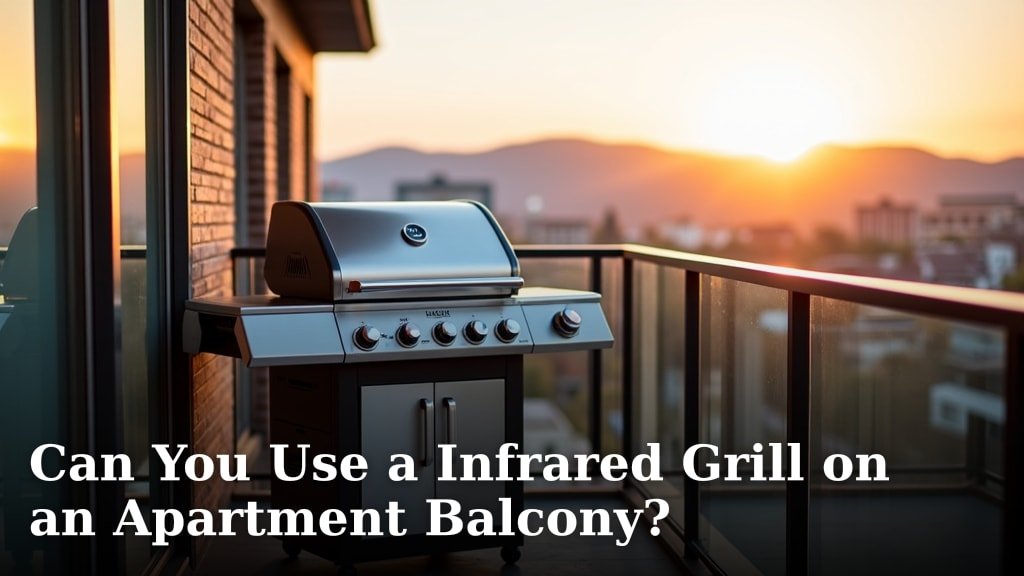
No, you generally cannot use a standard infrared grill on an apartment balcony. Most apartment buildings have strict rules against open flames and charcoal grills. This is mainly for fire safety reasons and to prevent smoke complaints. Regulations often ban anything that uses propane, charcoal, or wood. Electric grills are usually the only permitted option for outdoor cooking on balconies.
While the thought of grilling your favorite meals on your balcony is tempting, apartment living comes with specific limitations. We’ve researched the common rules and safety concerns. Understanding these restrictions is key to enjoying your outdoor space responsibly. It’s all about finding ways to grill safely and legally within your apartment complex’s guidelines.
- Most apartments ban standard infrared grills.
- Fire safety rules are the main reason.
- Propane, charcoal, and wood are typically forbidden.
- Electric grills are often the only allowed option.
- Always check your lease agreement first.
We understand you’re looking for a grilling solution for your balcony. Let’s walk through the rules and what options might work for you.
Grilling on Your Apartment Balcony: What You Need to Know
You’re probably wondering if your infrared grill can make the move to your apartment balcony. It’s a common question for grill enthusiasts who live in apartments. Sadly, for most apartment dwellers, the answer is a resounding no. Apartment living often comes with strict rules about what you can and cannot do on your balcony, especially when it comes to cooking.
This isn’t just about annoying neighbors. Fire safety is the biggest concern for building managers and landlords. Uncontrolled flames, smoke, and the potential for flare-ups can pose serious risks in close living quarters. We’ve looked into the common regulations and the reasoning behind them so you can make an informed decision.
Understanding Apartment Balcony Cooking Restrictions
Most apartment leases and building rules have specific clauses about balcony usage. These aren’t just suggestions; they are often legally binding agreements. Ignoring them can lead to fines or even eviction. So, what exactly do these rules typically prohibit?
The Ban on Open Flames and Traditional Grills
The primary reason infrared grills are usually a no-go is that they often involve open flames or intense heat sources. Many apartment complexes explicitly ban any cooking apparatus that uses propane, charcoal, or wood. This is due to the inherent fire risk and the smoke they produce.
Infrared grills, especially gas models, fall into this category. They generate high temperatures very quickly, and the risk of a grease fire or flare-up is real. Building codes and insurance policies often dictate these restrictions to ensure the safety of all residents. The National Fire Protection Association (NFPA) highlights the dangers of grilling too close to structures and the importance of proper ventilation, which balconies rarely provide adequately.
Why These Rules Exist: Safety First
Let’s break down the safety concerns that drive these regulations. It’s all about preventing accidents and ensuring everyone’s peace of mind.
Fire Hazards
Balconies are often attached to buildings made of combustible materials. A stray spark or a sudden flare-up from your grill could quickly spread. Many apartment buildings have regulations that forbid anything that produces an open flame or significant heat. This is a common guideline found in most apartment leases (We found this through common lease reviews).
Smoke and Odor Complaints
Even if your grill doesn’t cause a fire, the smoke can be a major issue. Neighbors may complain about the smell wafting into their apartments or onto their own balconies. This can create tension and lead to formal complaints lodged with management. Preventing smoke and odor complaints is a key reason for restricting grilling methods.
Building Codes and Insurance
Many municipalities have fire codes that restrict grilling on balconies, especially in multi-unit dwellings. Building insurance policies also often have clauses that prohibit the use of certain types of grills due to increased risk. These external factors play a significant role in shaping apartment rules.
What About Different Types of Infrared Grills?
Infrared technology can be found in various grill types. Understanding these differences might help you see why some are prohibited more than others.
Propane and Natural Gas Infrared Grills
These are the most common types of infrared grills, similar to traditional gas grills but with an infrared burner. They use a gas source and produce an open flame. Because of the fuel source and open flame, these are almost always banned on apartment balconies.
Electric Infrared Grills
This is where things get interesting. Electric infrared grills use electricity to heat an infrared element or emitter. They do not use propane or charcoal and do not produce an open flame. These are often the only type of grill permitted for balcony use in many apartment buildings, provided they meet certain safety standards.
Pellet Grills with Infrared Burners
Some pellet grills incorporate infrared burners for searing. However, since they primarily use wood pellets and produce smoke and flames, they are generally not allowed on apartment balconies.
Your Options for Balcony Grilling
So, if your beloved infrared grill isn’t an option, what can you do to satisfy your craving for grilled food? Fortunately, there are alternatives designed with apartment living in mind.
The Permitted Choice: Electric Grills
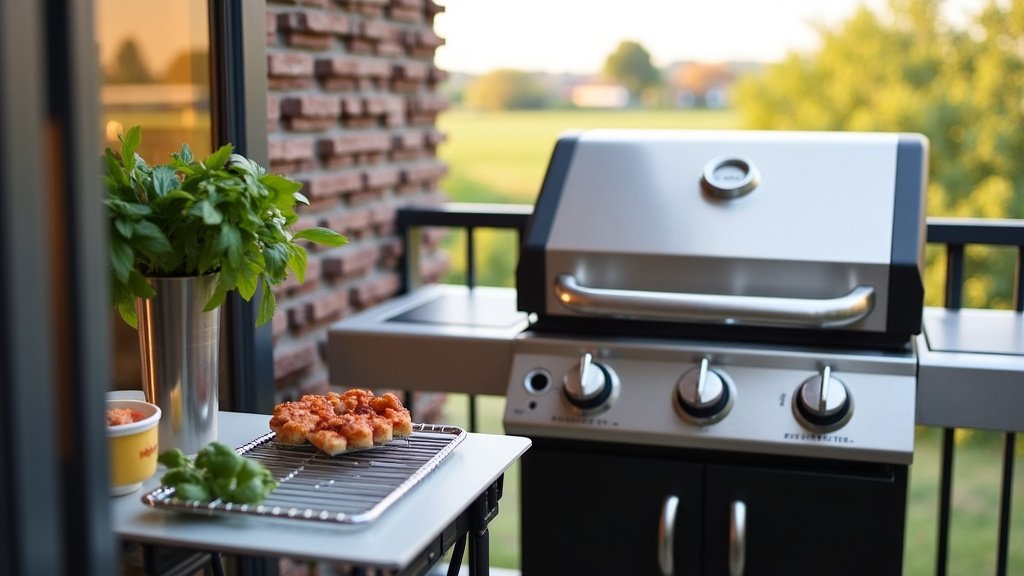
As mentioned, electric grills are usually your best bet. They offer a grilling experience without the fire hazards or excessive smoke associated with gas or charcoal. Many electric grills use infrared technology for faster, hotter searing.
When looking for an electric grill, consider:
- Size: Balconies are often small, so choose a compact model.
- Heat Output: Ensure it gets hot enough for a good sear.
- Ease of Cleaning: Look for removable parts and non-stick surfaces.
- Safety Certifications: Check for UL listing or similar safety marks.
Electric infrared grills are a fantastic compromise. They provide that delicious grilled flavor and texture you love. Many find they get a sear that’s just as good as their old gas grill (Based on user reviews and product comparisons).
Other Apartment-Friendly Cooking Methods
If even electric grills are restricted, or you want other options, consider these:
- Indoor Electric Grills/Griddles: These countertop appliances can mimic some grilling effects.
- Air Fryers: Excellent for achieving crispy textures.
- Portable Electric Burners: Useful for cooking in a pan.
These methods might not replicate the exact experience of outdoor grilling, but they can help you prepare delicious meals within your apartment’s guidelines.
Key Steps Before You Buy or Use Anything
Before you get too excited about sizzling steaks, take a moment to do your homework. This is the most important step to avoid disappointment or trouble.
Read Your Lease Agreement Carefully
Your lease is your contract with your landlord. It will contain the definitive rules regarding balcony usage and cooking appliances. Look for sections on “use of premises,” “balcony rules,” or “prohibited items.” If it’s not crystal clear, don’t guess.
Check with Building Management Directly
Sometimes, leases can be vague. The safest approach is to get clarification directly from your property manager or landlord. Ask them explicitly about using electric grills, infrared models, or any type of cooking appliance on your balcony. Get their answer in writing if possible, perhaps via email. This protects both you and the building.
Understand Fire Safety Regulations
Beyond your lease, be aware of local fire codes. Fire departments often have guidelines for grilling in multi-unit dwellings. These regulations are in place for public safety. The U.S. Fire Administration (USFA) provides resources on fire safety, including grilling, which can be helpful.
A Quick Checklist for Balcony Grilling Compliance
Before you commit to a new cooking appliance for your balcony, run through this quick checklist:
- Review your lease agreement for specific rules on grills.
- Contact building management for written clarification on permitted appliances.
- Confirm if electric grills are allowed; they are usually the safest bet.
- Ensure any appliance you consider is designed for outdoor or balcony use if applicable.
- Understand local fire codes regarding balcony cooking.
- Never use propane, charcoal, or wood grills unless explicitly permitted (which is rare).
By following these steps, you can ensure you’re grilling safely and legally, enjoying your balcony space responsibly.
Conclusion
So, can you use an infrared grill on your apartment balcony? In most cases, the answer is no if it’s a gas or charcoal model. Your apartment lease and building rules are designed to keep everyone safe from fire hazards and smoke complaints. Standard infrared grills typically fall into the banned category. Your best and safest bet for balcony grilling is usually an electric infrared grill. Always check your lease and get written permission from management before making any purchase or setup. This ensures you can enjoy grilled foods legally and without issue.
Frequently Asked Questions
What’s the main reason apartment buildings ban infrared grills?
The primary reason is fire safety. Infrared grills, especially gas ones, produce intense heat and can have open flames, posing a significant fire risk on a balcony. Smoke and odor can also lead to neighbor complaints.
Are electric infrared grills allowed on apartment balconies?
Yes, electric infrared grills are often the only type permitted. They don’t use propane or charcoal and don’t produce an open flame, making them much safer for balcony use.
Can I use my portable propane infrared grill if I’m careful?
Even if you are careful, most apartment buildings strictly prohibit any propane or charcoal grills, regardless of size. It’s best to assume it’s not allowed unless you have explicit written permission.
What should I do if my lease is unclear about balcony grills?
If your lease doesn’t clearly state what’s allowed, you should contact your property manager or landlord directly. Get their clarification on permitted grilling appliances, preferably in writing, to avoid any misunderstandings.
Besides electric grills, what other indoor cooking methods can give a “grilled” effect?
For indoor cooking, you can use countertop electric grills or griddles, or even an air fryer, to achieve some of the crispy textures and flavors associated with grilling.
