
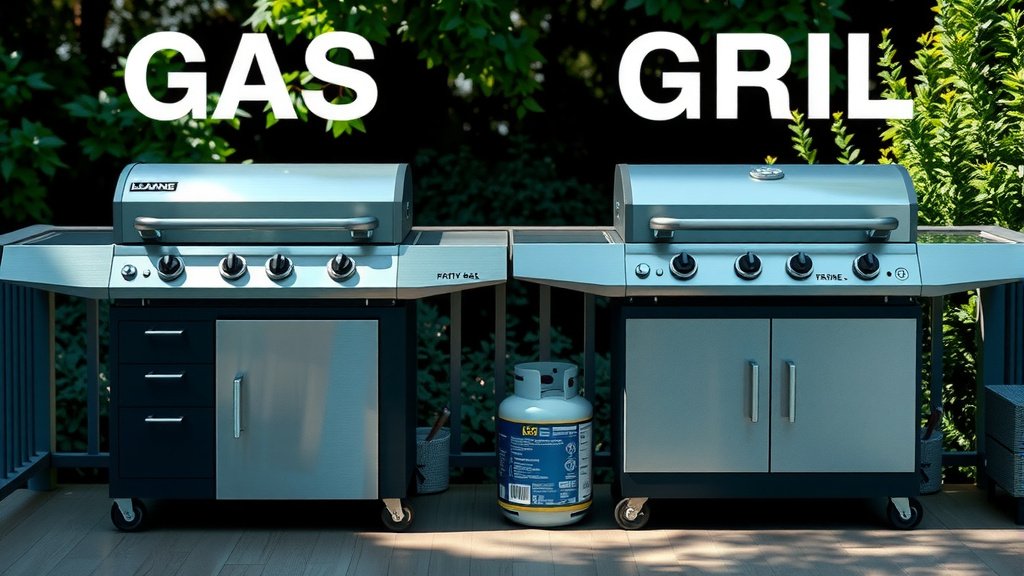
Yes, a natural gas grill can be converted to propane, but it requires specific conversion kits and professional installation to ensure safety and proper function.
You cannot simply connect a propane tank to a natural gas grill; the gas systems operate differently and demand careful adaptation.
TL;DR: Here’s the essential takeaway:
- Converting your natural gas grill to propane is possible with the right kit.
- This process typically involves changing orifices and regulators for the correct gas pressure.
- For your safety, professional installation is strongly recommended.
- Attempting a DIY conversion without expertise can be dangerous and voids warranties.
- Always prioritize safety and consult your grill’s manufacturer first.
Can A Natural Gas Grill Be Converted To Propane?
Yes, converting a natural gas grill to run on propane is often possible, but it requires a specialized conversion kit designed for your specific grill model.
This isn’t a simple swap; you’ll need to adjust components to handle the different fuel types and pressures.
Grilling is a passion, isn’t it? The sizzle of a steak, the smoky aroma… pure joy. But what happens when your backyard setup changes, and your trusty natural gas grill no longer fits the bill? Maybe you moved, or your gas line isn’t where you need it. The thought of buying a whole new grill can be disheartening. Let’s explore if a conversion is your best path.
Understanding the Core Differences Between Natural Gas and Propane
Before diving into conversion, it’s vital to grasp why these two fuels aren’t interchangeable without modification. Think of it like trying to fit a square peg into a round hole; it just won’t work correctly.
Natural gas and propane operate at different pressures and have distinct energy contents. Natural gas, for instance, requires a larger opening in the burner orifices because it flows at a lower pressure (around 3.5 inches of water column).
Propane, on the other hand, is stored under much higher pressure and burns hotter, needing smaller orifice openings for optimal combustion (around 11 inches of water column, as we found through research).
Using the wrong orifice size can lead to either a weak, yellow flame (too much gas for propane) or dangerously high flames and soot (too little gas for natural gas), creating a significant safety hazard.
Why Conversions Aren’t “Plug and Play”
You might wonder, “Why can’t I just hook up a propane tank?” It’s because the entire system is calibrated. A natural gas grill’s regulator, hoses, and burner orifices are all configured for natural gas pressure and flow. Trying to force propane through these components would be a recipe for trouble, leading to poor performance or worse, an unsafe situation.
What’s Involved in a Natural Gas to Propane Conversion Kit?
A legitimate conversion kit typically includes several key components. These are not generic parts; they are engineered for specific grill models to ensure proper compatibility and safe operation.
- New Orifices: These are tiny brass fittings at each burner that control gas flow. Propane orifices are smaller than natural gas ones.
- Propane Regulator and Hose: This crucial component reduces the high pressure from your propane tank to the safe operating pressure for your grill.
- Manifold or Valve Adjustments: Sometimes, the entire manifold or individual burner valves need replacement or adjustment to accommodate propane.
- Labels and Instructions: Essential for safety and compliance, informing users of the fuel change.
Many experts say that using an approved kit is the only safe way to convert your grill (National Fire Protection Association).
The DIY Dilemma: Should You Do It Yourself?
While the idea of saving money on installation might appeal, converting a grill from one fuel type to another is not a simple DIY task for most homeowners. This process involves working with flammable gases and precise components. A mistake could lead to gas leaks, fires, or explosions. We found that manufacturers and safety organizations almost always recommend professional installation.
If you’re not an experienced gas technician, your grill’s manufacturer will often warn against DIY conversions, stating it can void your warranty and compromise safety. Your peace of mind is worth more than a few dollars saved, wouldn’t you agree?
Steps to Consider Before Converting Your Grill
Thinking about making the switch? Here’s a quick checklist to guide you:
Your Conversion Checklist:
- Check your grill’s owner’s manual for conversion information.
- Contact the grill manufacturer to see if a conversion kit is available for your exact model.
- Inquire about recommended certified technicians in your area.
- Understand the total cost, including the kit and professional installation.
- Verify that any DIY attempt will void your warranty.
- Consider if buying a new propane grill might be a simpler, safer option.
The Importance of a Certified Technician for Grill Conversion
Hiring a qualified professional is the smartest move for a grill conversion. These technicians possess the training and tools to perform the task safely and correctly. They understand gas pressures, connections, and leak detection protocols. Many building codes even require gas appliance work to be performed by licensed professionals to ensure public safety.
They can confirm your kit is the right one, correctly install all new components, and conduct thorough leak tests to ensure your grill is safe to use. This expert touch gives you assurance that your next cookout will be a safe and delicious one.
Cost Considerations: Conversion Kit vs. New Grill
Let’s talk brass tacks. Is converting cheaper than buying a new grill? Sometimes, but not always. Conversion kits themselves can range from $50 to $200, depending on the grill model and manufacturer. Add to that the cost of professional installation, which could be another $100-$300 or more, based on your location and the complexity of the job. You’re looking at a potential total outlay of $150 to $500.
Here’s a simplified breakdown to help you weigh your options:
| Factor | Natural Gas to Propane Conversion | Purchasing a New Propane Grill |
|---|---|---|
| Initial Cost (Kit/Grill) | $50 – $200 for kit | $200 – $1000+ for grill |
| Installation Cost | $100 – $300+ (professional recommended) | None (DIY setup) |
| Safety | High risk if DIY; high safety if professional | Generally safe with proper assembly |
| Warranty | May void original warranty if not manufacturer-approved | Full manufacturer warranty |
| Time/Effort | Locate kit, find technician, schedule work | Research, purchase, assemble |
| New Features | No new features, same grill | Opportunity for upgrades, new technology |
As you can see, for older or budget-friendly grills, the cost of conversion might approach the price of a new basic propane grill. For high-end grills, conversion often makes more financial sense. Always crunch the numbers before deciding.
Safety First: Always Prioritize Your Well-being
When dealing with gas appliances, safety is not just a suggestion; it’s a requirement. Any modification to a gas grill carries inherent risks if not performed correctly. Gas leaks are incredibly dangerous, leading to potential fires, explosions, or carbon monoxide poisoning. The National Fire Protection Association (NFPA) consistently publishes guidelines emphasizing the importance of qualified personnel for gas appliance work.
Don’t take shortcuts with safety. Your family, home, and health are far too important. If you have any doubts about your ability to safely convert a grill, please seek professional help. We found that most grill manufacturers explicitly state this in their user manuals.
Conclusion
Converting a natural gas grill to propane is a viable option, but it’s a process demanding respect, precision, and often professional help. You can’t just wing it. By understanding the distinct differences between natural gas and propane, acquiring the correct conversion kit for your specific grill model, and ideally, entrusting the installation to a certified technician, you can safely extend the life of your beloved grill.
Always consult your grill’s manufacturer first for guidance and to ensure you maintain any remaining warranty. Your grilling adventures should be filled with flavor, not worry. Choose the path that ensures both enjoyment and safety.
Can I use a universal conversion kit for any grill?
No, universal conversion kits are generally not recommended. Each grill model is designed with specific burner pressures and orifice sizes. Using a non-specific kit can lead to improper combustion, inefficiency, and severe safety risks like gas leaks or flare-ups. Always seek a kit designed for your exact grill model.
What are the signs of an improper conversion or gas leak?
Signs of an improper conversion include unusually high or low flames, yellow or orange flames (instead of blue), excessive soot, a strong gas odor, or a roaring sound from the burners. For a gas leak, you might smell rotten eggs, hear a hissing sound near connections, or see bubbling if you apply soapy water to the gas lines. If you suspect a leak, turn off the gas immediately and call a professional.
Will converting my grill void its warranty?
In most cases, yes. Unless the conversion is performed by an authorized service technician using a manufacturer-approved kit, modifications to your grill’s fuel system will likely void its warranty. It’s crucial to check your grill’s owner’s manual or contact the manufacturer directly before attempting any conversion.
Is it possible to convert a propane grill to natural gas?
Yes, it is also possible to convert a propane grill to natural gas. The process is similar, requiring a specific natural gas conversion kit that includes larger orifices and a different regulator. Just like with propane conversions, professional installation is strongly advised to ensure safety and proper functionality due to the distinct pressure requirements.
Where can I find a certified technician to perform the conversion?
You can often find certified technicians by checking with your grill’s manufacturer, who may have a list of authorized service centers. Local gas companies or plumbing and HVAC services that specialize in gas appliance installation are also excellent resources. Always verify their licensing and experience with gas grill conversions before hiring anyone.
