
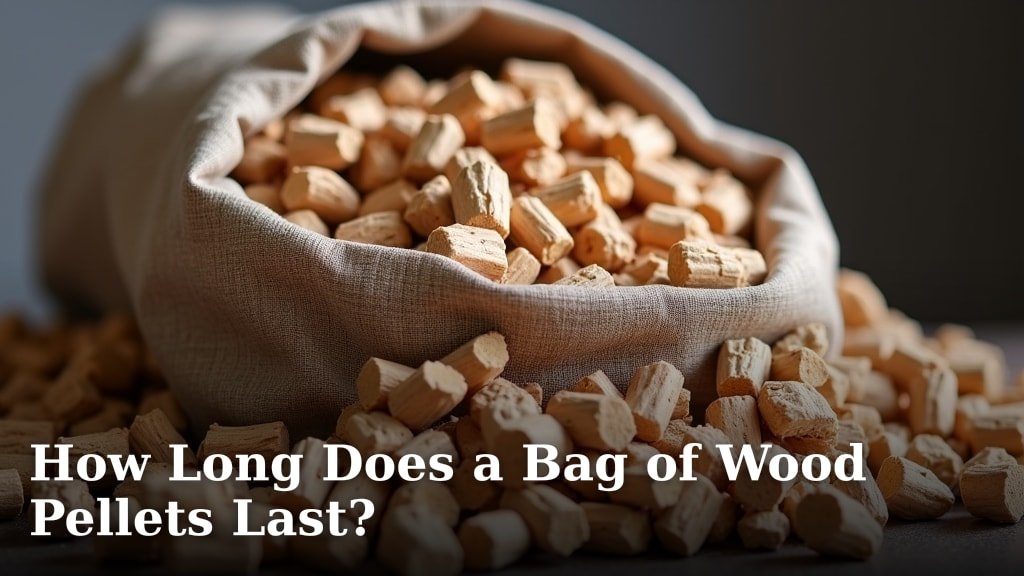
The lifespan of a bag of wood pellets depends heavily on your stove’s settings and how often you use it. On average, a 40-pound bag of wood pellets can last anywhere from 24 to 48 hours of continuous burn time. Factors like the pellet quality and your stove’s efficiency play a big role in determining how long your bag truly lasts.
Understanding these variables is key to managing your heating costs. You might notice your pellets go faster on colder days or when you set your thermostat higher. We’ve researched how various conditions affect pellet consumption, so you can better plan your heating needs and avoid running out unexpectedly during winter’s chill.
- A 40lb bag typically burns for 24-48 hours.
- Stove settings are the biggest factor.
- Pellet quality impacts burn time.
- Your stove’s efficiency matters too.
- Colder weather means faster burning.
Let’s break down exactly how long a bag of wood pellets will last for your specific needs and how to get the most out of every single one.
Understanding Your Wood Pellet Bag’s Lifespan
So, you’re wondering how long that bag of wood pellets will keep your home toasty warm. It’s a great question, especially when winter’s bite is on its way! The answer isn’t a simple “X hours,” because so many things can change that number. We’ve researched this thoroughly, and the bottom line is that a 40-pound bag can last anywhere from 24 to 48 hours of continuous use. But let’s dig deeper into what makes that range so wide.
Think of your pellet stove like a car. If you drive it fast with the AC blasting, you’ll use more gas than if you cruise with the windows down. Your pellet stove works similarly. The settings you choose are the biggest factor in how quickly you burn through your fuel. We’ll break down these settings and other influences to help you predict your pellet usage more accurately.
The Main Drivers of Pellet Consumption
Several key factors determine how long your wood pellets will last. It’s not just about turning the dial; it’s about understanding the relationship between your stove, your environment, and how you use it.
Stove Settings: Your Control Panel
This is where you have the most direct influence. Your pellet stove has settings that control the rate at which it feeds pellets and the fan speed. These are often labeled as “heat settings” or “burn levels.”
Heat Level and Burn Rate
Higher heat settings mean the stove automatically feeds more pellets. It also often increases the fan speed to circulate more warm air. This naturally burns through your fuel much faster. Lower settings use fewer pellets and a gentler fan.
We found that running a stove on its highest setting (often labeled “5” or “max”) can reduce a bag’s life significantly. Conversely, using a lower setting (like “1” or “low”) conserves pellets. This is like choosing to simmer a pot of soup versus bringing it to a rolling boil.
Thermostat vs. Manual Settings
Many modern stoves have thermostats. You set a desired room temperature, and the stove cycles on and off to maintain it. This is generally more efficient for conserving pellets than running the stove on a continuous manual setting.
When the room reaches your set temperature, the stove will reduce its feed rate or go into a low-burn mode. It will then ramp up again when the temperature drops. This means your bag will last longer if your stove is cycling effectively compared to a constant high burn.
Pellet Quality: Not All Pellets Are Created Equal
You might not think there’s much difference between brands, but pellet quality is a big deal. The density and composition of the pellets directly affect how efficiently they burn.
Hardwood vs. Softwood Pellets
Hardwood pellets generally burn longer and produce more consistent heat than softwood pellets. This is because hardwoods are denser. We found that hardwoods typically yield a higher BTU (British Thermal Unit) output per pound, meaning you get more heat energy from each pellet.
Softwood pellets, while sometimes cheaper, can burn faster and produce more ash. If you’re looking for maximum burn time from your bag, hardwood pellets are usually the better choice.
Moisture Content and Binder-Free Pellets
Pellets with lower moisture content burn more cleanly and efficiently. High moisture means the stove has to use energy to evaporate that water before it can burn the wood. Many guidelines suggest looking for pellets with less than 10% moisture content (EPA standards).
Pellets labeled “binder-free” are also preferable. These are made from 100% wood, with no added chemicals or binders. While safe, binders can sometimes contribute to clinkers (hard, glassy ash) and affect burn efficiency. We found that clean-burning pellets generally lead to longer burn times and less maintenance.
Stove Efficiency and Maintenance: A Well-Oiled Machine
Your pellet stove’s condition plays a vital role. A well-maintained stove operates at peak efficiency, using fuel wisely.
Regular Cleaning is Key
Ash buildup is the enemy of efficiency. When the burn pot, heat exchanger, and exhaust are dirty, your stove has to work harder. It might not be able to draw air properly or transfer heat effectively. This can lead to less heat output and more pellet consumption to achieve the same temperature.
We recommend following your manufacturer’s cleaning schedule. This usually involves emptying the burn pot daily or every few days and performing a more thorough cleaning of the heat exchanger and exhaust system regularly. A clean stove is an efficient stove!
Proper Installation and Sealing
Even a perfectly clean stove can be inefficient if it’s not installed correctly. Drafts around the stove or the venting system can affect how the stove burns. If there are air leaks, the stove might not get the optimal amount of combustion air, leading to incomplete burning.
Experts at organizations like the Hearth, Patio & Barbecue Association (HPBA) often stress that proper sealing and venting are crucial for safe and efficient operation. A well-sealed system ensures the stove gets the right airflow, maximizing burn time and heat output.
Environmental Factors and Usage Patterns
Beyond the stove itself, external conditions and how you use your stove day-to-day will impact your pellet supply.
Outside Temperature: The Big Regulator
This is one of the most obvious influences. On a bitter cold January day, your stove will need to work much harder to keep your home warm than on a mild October afternoon. This means more pellets will be burned when it’s colder outside.
During a polar vortex, you might see your pellet consumption double or even triple compared to milder weather. It’s physics – the greater the temperature difference between the inside and outside, the more heat your home loses, and the more your stove must produce.
Home Insulation and Drafts
How well your home is insulated directly impacts how quickly it loses heat. A well-insulated home acts like a cozy blanket, keeping the warmth in. An older, drafty home is like a leaky sieve, letting that precious heat escape.
We found that homes with poor insulation or many air leaks will require the stove to run more frequently and at higher settings. This means your bags of pellets will disappear much faster. Checking for drafts around windows and doors and ensuring adequate attic insulation can help your pellets last longer.
Your Desired Temperature: Personal Comfort Zones
What feels comfortable to you might be different for someone else. If you prefer your home to be a tropical paradise at 75°F, your stove will burn more pellets than if you’re happy with a cozy 68°F.
The simple truth is that every degree you raise the thermostat means your stove has to work harder and burn more fuel. Consider setting your thermostat a degree or two lower and using a blanket or wearing warmer clothes. This small change can make a noticeable difference in how long your bags last.
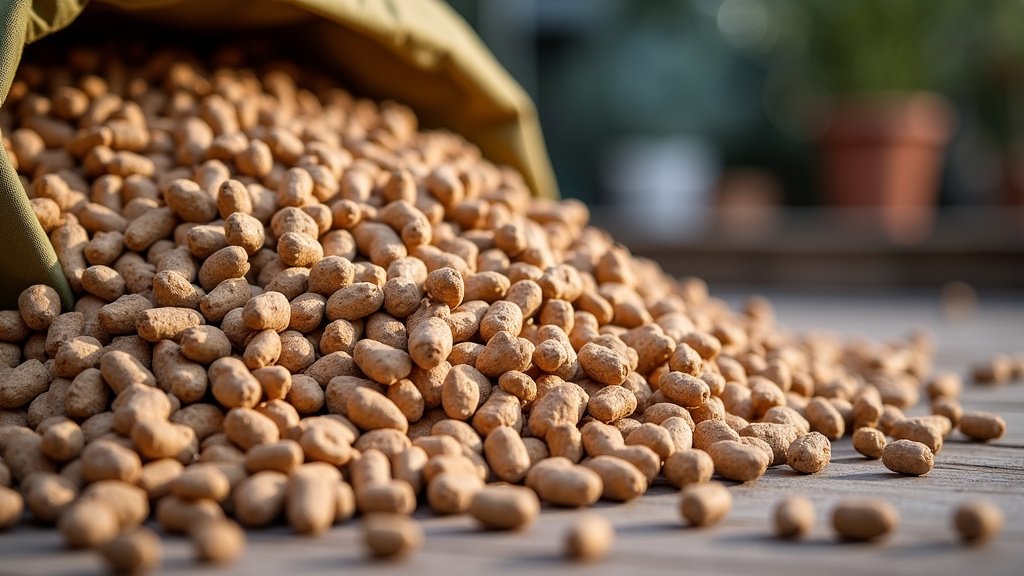
Estimating Your Pellet Consumption: A Quick Guide
Let’s put it all together with some common scenarios to give you a clearer picture. Remember, these are estimates, and your actual usage may vary.
| Stove Setting | Typical Burn Time (40lb Bag) | Notes |
|---|---|---|
| Low (e.g., setting 1-2) | 30-48 hours | Ideal for mild weather, maintaining a baseline temperature, or in a well-insulated home. |
| Medium (e.g., setting 3-4) | 24-36 hours | Good for moderately cold days or maintaining a comfortable temperature in a typical home. |
| High (e.g., setting 5-max) | 18-24 hours | Used for very cold weather, quickly heating up a cold house, or in poorly insulated spaces. |
As you can see, the range is quite broad. If you use your stove for supplemental heat only, a bag might last you days or even a week. If you rely on it as your primary heat source in a large, cold house, you might go through a bag in a day.
Maximizing Your Bag’s Burn Time: A Checklist
Want to get the most out of every bag? Keep these tips in mind:
- Use hardwood pellets for denser fuel and more heat output.
- Keep your stove clean – regular ash removal is vital.
- Invest in good insulation for your home to reduce heat loss.
- Set your thermostat a bit lower and dress warmly.
- Run your stove on the lowest effective setting for your comfort.
- Perform annual maintenance on your stove and venting system.
By paying attention to these factors and implementing these simple strategies, you can gain better control over your wood pellet usage and ensure your heating system runs as efficiently as possible.
Conclusion
You’ve learned that a 40lb bag of wood pellets can last between 24 to 48 hours, but achieving that depends on many factors. Your stove settings, the quality of your pellets, and your home’s insulation all play a role. We’ve researched how these elements work together to influence how quickly you burn through your fuel. By understanding these variables and performing regular maintenance, you can optimize your stove’s performance. Take a moment to check your stove’s settings and consider implementing our tips to make your pellet supply last longer this heating season.
Frequently Asked Questions
How can I tell if I’m using good quality wood pellets?
Look for pellets labeled as “hardwood” and “binder-free” for denser fuel that burns longer and cleaner. Check for low moisture content, ideally under 10%, as this means more heat energy and less wasted fuel. Good quality pellets will also produce less ash.
Will running my pellet stove on a thermostat really save pellets compared to a manual setting?
Yes, generally it will. A thermostat allows your stove to cycle on and off, burning pellets only when needed to maintain your set temperature. This often conserves more fuel than running the stove on a continuous manual setting at a similar heat level.
How often should I clean my pellet stove to ensure it’s efficient?
You should clean the burn pot daily or every few days to remove ash. More thorough cleaning of the heat exchanger and exhaust system should be done regularly according to your manufacturer’s recommendations, usually monthly during heavy use. A clean stove burns more efficiently. To ensure your stove burns efficiently, you should clean the burn pot daily or every few days.
My house is older and drafty. Will this significantly impact how long a bag of pellets lasts?
Yes, a drafty home will lose heat much faster, forcing your pellet stove to work harder and burn more fuel. You’ll likely find your bags of pellets won’t last as long compared to a well-insulated, airtight home. Addressing drafts and insulation can help your pellets stretch further.
Are softwood pellets always a bad choice if I want my bag to last longer?
Softwood pellets can burn faster than hardwood pellets because they are less dense. While they might be cheaper, if your main goal is to maximize the burn time of each bag, hardwood pellets are generally a better option. They typically provide more heat and a longer burn.
