
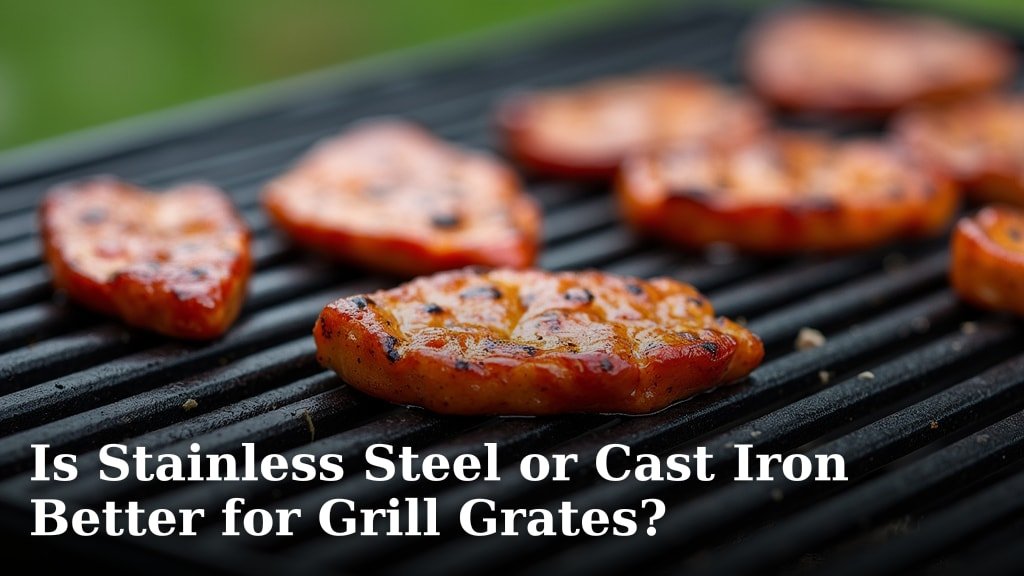
Deciding between stainless steel and cast iron grill grates When choosing a new grill, understanding the differences between stainless steel or cast iron grates is crucial for your grilling experience. really depends on what you value most in your grilling experience. For ease of maintenance and rust resistance, stainless steel is generally the better choice for most home cooks. Cast iron offers superior heat retention and searing capabilities, but it requires more diligent care to prevent rust and sticking.
Both materials have their loyal fans, and for good reason. Your choice impacts everything from how your food cooks to how much time you spend cleaning your grill. We’ve looked at the pros and cons to help you make the smartest decision for your backyard barbecues and achieve those perfect grill marks.
- Stainless steel is easier to clean and resists rust.
- Cast iron excels at heat retention and searing.
- Cast iron needs regular seasoning and oiling.
- Stainless steel can be less prone to sticking with proper preheating.
- Your cooking style and how much maintenance you prefer are key factors.
Let’s walk through a direct comparison of stainless steel and cast iron grill grates to help you figure out which is the best fit for your grilling adventures.
Choosing the Right Grill Grates: Stainless Steel vs. Cast Iron
So, you’re ready to upgrade your grill grates, and the big question looms: stainless steel or cast iron? Both have been grilling staples for years. We’ve researched what makes each material shine (and where it might dim a bit) to help you make the best choice for your grilling style.
Ultimately, the best grill grate comes down to your personal preferences. Do you want a low-maintenance, rust-resistant option? Or are you willing to put in a little extra effort for superior heat control and searing? Let’s break it down.
Understanding Stainless Steel Grill Grates
Stainless steel is often the go-to for many grill manufacturers and home cooks alike. Its popularity isn’t just for show; there are solid reasons behind it.
The Perks of Stainless Steel
One of the biggest draws of stainless steel is its resistance to rust and corrosion. Unlike other metals, it doesn’t degrade easily when exposed to moisture and the elements. This means fewer worries about those unsightly brown spots ruining your cooking surface.
Stainless steel is also relatively easy to clean. A good scrub with a wire brush after preheating often does the trick. You won’t need to worry as much about developing a complex seasoning routine to keep it from sticking. Plus, it’s generally lighter than cast iron, making it easier to handle.
When it comes to heat, stainless steel heats up relatively quickly. While it doesn’t retain heat quite like cast iron, it provides a consistent cooking temperature once it reaches its desired heat level.
Potential Downsides of Stainless Steel
The main drawback some grillers find with stainless steel is its tendency to stick. This is especially true if the grates aren’t properly preheated or if you’re trying to cook delicate items. It requires a bit more attention to ensure your food releases cleanly. The main drawback some grillers find with stainless steel is its tendency to stick, which can be an issue when grilling delicate items like fish.
Also, while durable, thinner stainless steel grates can warp over time with intense heat. For better performance, it’s often worth investing in thicker, higher-quality stainless steel.
Exploring Cast Iron Grill Grates
Cast iron has a legendary reputation in the cooking world, and its grill grate siblings are no different. If you’re after that perfect sear, cast iron might be your champion.
Why Cast Iron Grates Are So Popular
The undeniable star quality of cast iron is its exceptional heat retention. Once cast iron grates get hot, they stay hot. This means you get incredibly even cooking temperatures. Think of it like a perfectly heated cast iron skillet on your stovetop – that’s the kind of heat consistency you can get on your grill.
This superior heat retention translates into phenomenal searing. You’ll achieve those deep, flavorful grill marks and a beautiful crust on your meats. Many professional chefs and serious home cooks swear by cast iron for this very reason. It provides that classic, restaurant-quality finish.
With proper care, cast iron can develop a natural non-stick surface over time through a process called seasoning. This involves baking oil into the metal, creating a protective layer that helps prevent food from sticking and further protects against rust.
The Challenges of Cast Iron
Here’s where the romance with cast iron can get a bit complicated: maintenance. Cast iron is prone to rusting if not properly cared for. This means you need to diligently season and oil your grates regularly, especially after cleaning or if you live in a humid climate.
Cleaning cast iron requires a bit more finesse. You generally want to avoid harsh soaps or detergents, which can strip away the seasoning. Instead, a gentle scrape and a light oiling are usually recommended. It’s a commitment, much like caring for a cast iron skillet.
Cast iron is also significantly heavier than stainless steel. This can make removing and cleaning the grates a more strenuous task. Their weight can also mean they take longer to heat up initially.
Direct Comparison: Key Differences at a Glance
Let’s put these two materials side-by-side to highlight the main differences you’ll encounter in your grilling life.
| Feature | Stainless Steel | Cast Iron |
|---|---|---|
| Rust Resistance | Excellent | Poor (requires regular seasoning) |
| Heat Retention | Good | Excellent |
| Searing Capability | Good | Superior |
| Maintenance | Low (easy to clean) | High (requires seasoning and oiling) |
| Sticking Tendency | Can stick if not preheated | Can stick if not seasoned well |
| Durability | Very good (higher gauge is better) | Excellent (can last a lifetime) |
| Weight | Lighter | Heavier |
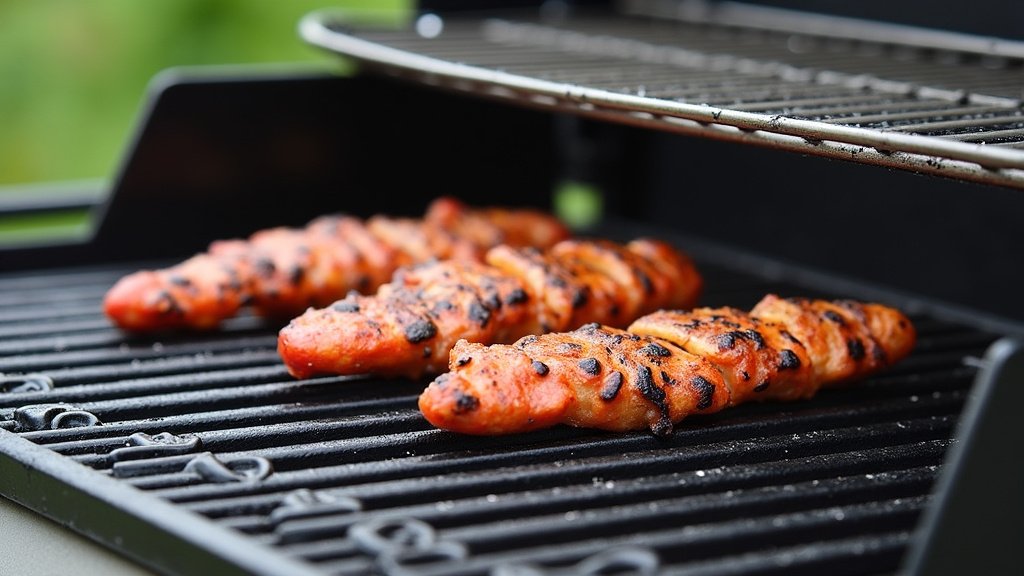
Which One is Right for Your Grilling Style?
To help you decide, think about these key questions. Your answers will point you towards the material that best fits your lifestyle.
Consider Your Time Commitment
If you’re a “grill and go” type of person, and your idea of cleaning is a quick brush-down, stainless steel is likely your winner. It demands far less attention. You can get back to enjoying your meal without a lengthy post-grill cleanup.
If you find satisfaction in the ritual of grill maintenance, or you simply love the results cast iron offers, then embrace the cast iron life. It’s for those who don’t mind spending a bit of extra time to achieve peak performance. Many enthusiasts find this care routine rewarding.
Think About Your Culinary Goals
Are you aiming for those picture-perfect, deep sear marks every time? Do you often grill thicker cuts of meat that benefit from sustained, intense heat? Cast iron excels here. It provides the kind of heat stability that makes achieving restaurant-quality sears much easier.
If you grill a variety of foods, from delicate fish to burgers, and want a reliable, easy-to-manage surface, stainless steel is a solid choice. It offers good heat distribution and is forgiving with different types of food, provided you preheat properly. You can still get great results without the intense heat and specific care of cast iron.
Your Environment Matters Too
If you live in an area with high humidity or lots of rain, cast iron can be a real challenge. The constant moisture will make rust a persistent enemy, requiring almost daily attention. Stainless steel, on the other hand, shrugs off moisture much better, making it a more practical option in damp climates.
For those in dry climates, rust might be less of an immediate concern for cast iron, but it’s still something you’ll need to manage. Stainless steel remains the low-effort champion regardless of the weather.
A Quick Checklist for Your Decision
Before you click “add to cart,”
Conclusion
Choosing between stainless steel and cast iron grill grates ultimately boils down to your priorities. If you prefer low-maintenance grilling and excellent rust resistance, stainless steel is your best bet. You’ll spend less time cleaning and more time enjoying your food. On the other hand, if you crave superior heat retention and those coveted restaurant-quality sears, and you don’t mind a bit of extra care, cast iron is the way to go. Think about how much time you want to dedicate to upkeep and what kind of grilling results you’re aiming for. Make the choice that fits your lifestyle, and you’ll be grilling like a pro in no time.
Frequently Asked Questions
Can I use stainless steel grill grates if I want good sear marks?
Yes, you can achieve good sear marks with stainless steel, especially with thicker grates. Proper preheating is key. Ensure your stainless steel grates are very hot before placing your food on them. This will help create those desirable grill marks.
How often should I season cast iron grill grates?
You should season your cast iron grill grates after each use, especially after cleaning them. If you live in a humid climate or don’t use your grill often, seasoning might be needed more frequently. This helps prevent rust and maintain the non-stick surface.
Will stainless steel grill grates rust over time?
High-quality stainless steel is highly resistant to rust and corrosion. While cheaper, lower-grade stainless steel might eventually show some discoloration, good stainless steel grates are designed to withstand the elements and moisture without significant rusting.
Is cast iron too heavy to handle for cleaning?
Cast iron grates are indeed heavier than stainless steel, which can make them more challenging to lift and clean. If you have difficulty with heavy lifting, stainless steel might be a more practical choice for you. Consider grill designs that make grate removal easier if you opt for cast iron.
Can I use soap to clean my cast iron grill grates?
It’s generally not recommended to use harsh soaps or detergents on cast iron grill grates. These can strip away the seasoned, non-stick layer. A stiff brush, hot water, and a light oiling afterward are usually sufficient for cleaning.
