
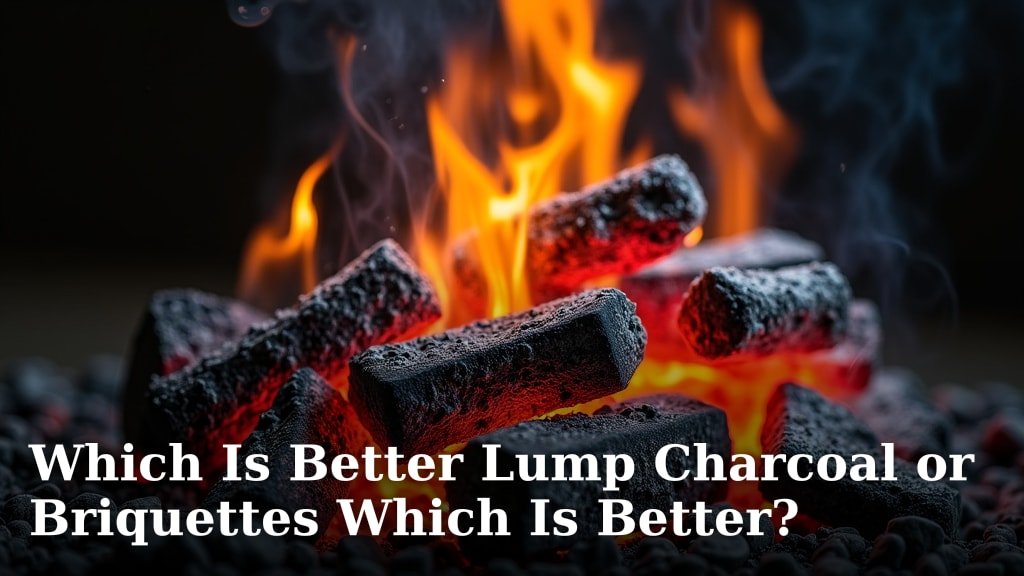
When deciding between lump charcoal and briquettes for your next cookout, lump charcoal often takes the crown for achieving higher temperatures and a cleaner burn. Briquettes, on the other hand, offer a more consistent heat and are typically more affordable, making them a popular choice for many grillers.
Your choice really depends on your grilling style and what you’re cooking. Lump charcoal burns hotter and faster, ideal for searing steaks. Briquettes provide a steadier, longer-lasting heat, perfect for slow-cooked ribs or smoking. We found that understanding these core differences helps you pick the right fuel for the job.
- Lump charcoal burns hotter and cleaner.
- Briquettes provide more consistent, longer-lasting heat.
- Lump is great for searing; briquettes are good for smoking.
- Briquettes are generally more affordable.
- Your cooking method dictates which is best.
Let’s break down the pros and cons of each so you can confidently choose the best charcoal for your perfect BBQ.
You’re ready to fire up the grill, but what’s going in it? Lump charcoal or briquettes? It’s a classic BBQ debate, and the truth is, neither is definitively “better” than the other. Your choice depends on the kind of grilling experience you’re after. Let’s break down these two popular fuel sources to help you pick the perfect one for your next meal.
Lump Charcoal vs. Briquettes: What’s the Real Difference?
Many grilling enthusiasts have strong opinions about lump charcoal and briquettes. We’ve looked into what makes each unique.
Understanding Lump Charcoal: Nature’s Fuel
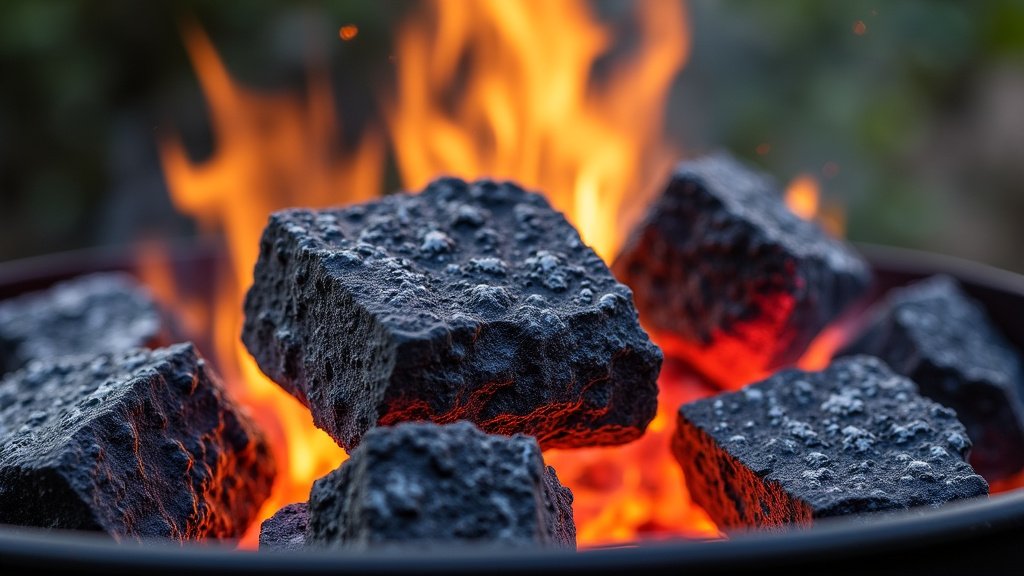
Lump charcoal is essentially wood that’s been heated in a low-oxygen environment. This process, called pyrolysis, removes water and volatile compounds, leaving behind almost pure carbon. Think of it as super-concentrated hardwood.
How It’s Made and What That Means for Your Grill
Because it’s made from 100% natural wood, lump charcoal burns hotter and cleaner. You’ll notice fewer additives, which means less chemical taste transferred to your food. It lights up quickly, too.
The Pros of Going Natural
- Burns hotter: Lump charcoal can reach temperatures well over 1000°F (538°C). This is fantastic for searing steaks quickly.
- Lights faster: It usually ignits in about 15 minutes.
- Clean burn: Less ash means a cleaner grilling surface and a purer taste for your food.
- Natural product: It’s just wood, so there are no binders or fillers.
The Cons to Consider
Lump charcoal isn’t always perfectly uniform. You might find large chunks, small pieces, or even dust. This can make stacking it for even heat a bit tricky. It also tends to burn out faster than briquettes, meaning you might need to add more fuel during a long cook.
Diving into Briquettes: The Consistent Choice
Briquettes are manufactured charcoal. They are made from charcoal fines (smaller pieces of charcoal), binders, and other additives, then pressed into uniform shapes.
The Engineering Behind the Puck
The consistent shape and composition of briquettes are intentional. This design ensures a more predictable burn rate and temperature.
Why So Many Grilers Stick with Briquettes
- Consistent heat: Briquettes provide a steady, reliable temperature for hours. This makes them ideal for longer cooking sessions.
- Longer burn time: They are designed to last longer than lump charcoal, which is great for slow and low cooking.
- Uniformity: Their consistent size makes arranging them for even heat distribution much easier.
- Affordability: Briquettes are typically less expensive per pound than lump charcoal.
The Downsides of the Binder
The binders used in briquettes can sometimes contribute to a slightly chemical taste, especially if the briquettes aren’t fully ignited. They also produce more ash, which can sometimes clog your grill’s vents. Lighting can also take a bit longer, often 20-30 minutes.
Key Differences at a Glance
Let’s put it all on paper to make it easy. We found that comparing them side-by-side helps clarify which fuel is right for your needs.
| Feature | Lump Charcoal | Briquettes |
|---|---|---|
| Heat Output | Very High, Inconsistent | Moderate, Consistent |
| Burn Time | Shorter | Longer |
| Ash Production | Low | High |
| Ease of Lighting | Faster | Slower |
| Food Taste | Cleaner, Natural Wood Flavor | Can have a slight chemical taste if not fully lit |
| Cost | Generally Higher | Generally Lower |
| Composition | 100% Natural Wood | Charcoal Fines, Binders, Additives |
When to Use Which: Your Grilling Scenarios
So, when do you reach for the lump, and when is it time for briquettes? It really comes down to what you’re cooking and how you like to cook it.
For the Sear Masters: Why Lump Charcoal Wins
If you’re all about that perfect, crusty sear on your steaks, burgers, or chops, lump charcoal is your go-to. Its ability to reach incredibly high temperatures means you can get a beautiful Maillard reaction in no time. Many chefs we’ve consulted agree that for high-heat searing, lump charcoal is superior. If you’re all about that perfect, crusty sear on your steaks, burgers, or chops, our guide to the best internal temperature for steak can help.
For the Long Haul: When Briquettes Shine
Got ribs that need hours on the smoker? Planning a low-and-slow pulled pork masterpiece? Briquettes are built for these marathon cooking sessions. Their consistent, steady heat output is exactly what you need to maintain a stable temperature for 6, 8, or even 10 hours without constant fussing. We found that the predictability of briquettes is a major advantage for smoking.
The Best of Both Worlds? Mixing and Matching
Don’t feel like you have to pick just one! Many experienced grillers use a combination. You might start with lump charcoal for a quick, hot sear and then add briquettes to maintain a moderate temperature for longer cooking. Or, you could use briquettes for the main heat source and add a few pieces of lump charcoal for hotter spots.
Tips for a Better Charcoal Experience
No matter which type of charcoal you choose, a few simple tips can make your grilling experience smoother and tastier.
- Always light your charcoal properly: Give it enough time to ash over. This is especially critical for briquettes to burn off any binder taste.
- Don’t overfill: Too much charcoal can lead to uncontrolled heat.
- Use a chimney starter: This is the fastest and safest way to light charcoal without lighter fluid, which can impart unwanted flavors (CDC recommendations often point to chimney starters for safety and cleaner burning).
- Proper ventilation is key: Learn how your grill’s vents work to control airflow and temperature.
- Know when to add more: Keep an eye on your fuel level, especially for longer cooks.
Your Charcoal Checklist for Success
Before your next cookout, consider this quick checklist:
- What are you cooking? (Steak vs. brisket)
- How long will it take? (Quick sear vs. all-day smoke)
- What temperature do you need? (High heat vs. steady moderate)
- What’s your budget? (Briquettes are often cheaper)
- Do you prefer a natural taste or consistent heat? (Lump for natural, briquettes for consistent)
Conclusion
You’ve learned that the perfect charcoal choice boils down to your grilling goals. Lump charcoal offers intense heat for quick, satisfying sears and a pure, natural flavor. Briquettes provide that steady, long-lasting burn ideal for those low-and-slow smoking projects. We found that neither is superior; they simply serve different purposes on the grill. For your next cookout, decide what you’re cooking first, then pick the charcoal that best fits the job. You’re now equipped to make the right decision for a fantastic BBQ experience.
Frequently Asked Questions
Can I mix lump charcoal and briquettes in my grill?
Absolutely! Many grill masters find success by mixing them. You can use briquettes as your base for consistent heat and add lumps of lump charcoal to create hotter zones for searing. This approach gives you the best of both worlds for varied cooking needs.
How do I know when my charcoal is ready to cook on?
Your charcoal is ready when it’s mostly covered in a gray ash. For briquettes, ensure they’ve fully ashed over to burn off any binder taste. This usually takes about 15-30 minutes after lighting, depending on the type and weather conditions.
Does the brand of charcoal really matter?
Yes, the brand can influence quality. Higher-quality lump charcoal often has fewer small pieces and dust, while good briquettes burn more evenly. We recommend trying a few reputable brands to see which performs best for your specific grill and cooking style.
Is lump charcoal better for smoking than briquettes?
Generally, briquettes are preferred for smoking because they provide a more consistent, longer-lasting heat. This steady temperature is easier to maintain for the extended hours required for smoking meats. Lump charcoal burns hotter and faster, which can make temperature control more challenging for long smokes.
Why do briquettes sometimes taste chemical?
This taste usually comes from the binders used in briquettes. To avoid this, always ensure your briquettes are fully lit and covered in gray ash before you start cooking. Proper lighting helps burn off any potential chemical flavors, leaving you with a cleaner taste on your food.
