
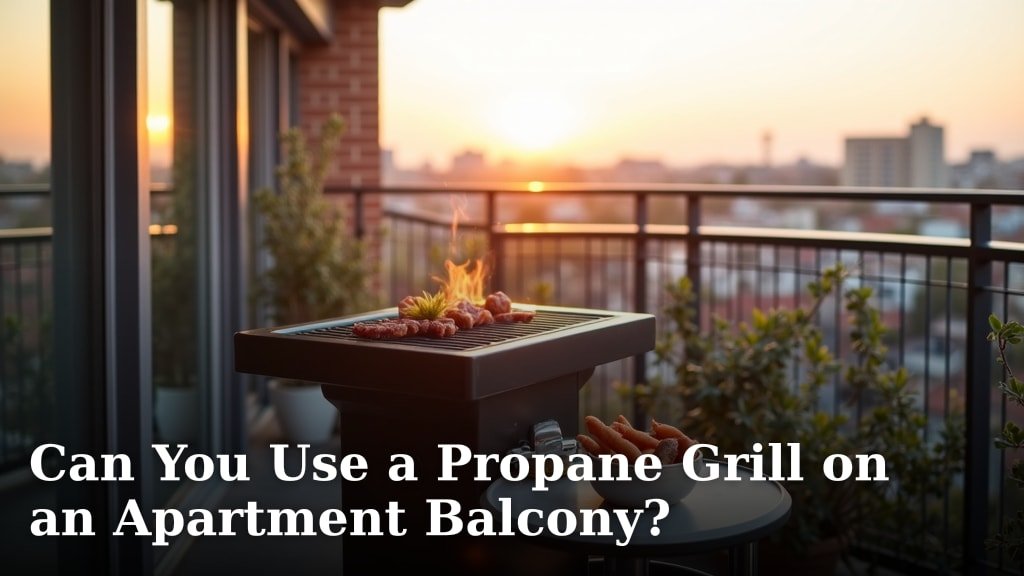
Yes, you can often use a propane grill on an apartment balcony, but there are some important rules and safety tips you must follow. Most apartment buildings have specific regulations about grilling. Your lease agreement and local fire codes will dictate if and how you can grill.
Propane grills are generally considered safer for balconies than charcoal grills due to fewer airborne embers. However, fire hazards are still a concern. Understanding the risks and your landlord’s policies is the first step before firing up that grill.
- Lease is Key: Check your apartment lease first.
- Fire Codes Matter: Local laws often have rules.
- Propane vs. Charcoal: Propane is usually the safer choice.
- Safety First: Always follow safety guidelines.
Ready to figure out if your balcony can become your personal grilling oasis? Let’s walk through exactly what you need to know to grill safely and legally.
So, you’re dreaming of sizzling burgers and smoky aromas on your apartment balcony. That’s a fantastic idea! But before you rush out and buy the biggest grill you can find, we need to make sure your dream doesn’t turn into a smoky nightmare. Grilling on an apartment balcony is often allowed, but it comes with a strict set of rules and safety precautions. Your lease agreement and local fire codes are the ultimate word on this.
Your Balcony Grill Possibilities: What You Need to Know
The short answer is: maybe! Many apartment buildings allow propane grills on balconies, but this isn’t a universal rule. You’ll need to do a little digging to find out what your specific building and city permit. Think of it like getting permission before throwing a party – you want everyone to be safe and happy.
First Step: Decoding Your Lease Agreement
Your lease is your contract with your landlord. It’s the first place to look for grilling policies. Many leases will explicitly state whether grilling is permitted on balconies or patios. If it’s not mentioned, don’t assume it’s okay. Sometimes, silence means you need to ask.
- Read the sections on outdoor activities, common areas, and fire safety.
- Look for any clauses about open flames or grills.
- If you can’t find anything, reach out to your property manager.
Ignoring your lease can lead to fines or even eviction. We want to avoid that!
Local Fire Codes: The Official Rulebook
Beyond your lease, your city or town likely has fire codes that apply to outdoor cooking. These codes are designed to prevent fires and protect everyone in your building and nearby. These rules are often very specific about distances from structures and materials.
Many fire departments and building safety organizations recommend that grills be at least 10 feet away from the building, railings, and anything flammable. This is a common guideline, but your local code might have different requirements. You can usually find this information on your city or county’s official website, often under the fire department or building code sections. We found that many urban areas have stricter rules due to higher building density.
Propane vs. Charcoal: Why Propane Usually Wins for Balconies
When it comes to apartment grilling, propane grills generally have an edge over charcoal grills. Why is that? It all comes down to the embers and smoke.
Charcoal grills produce a lot of sparks and hot embers that can fly around. These embers are a fire hazard, especially on a wooden balcony or near flammable materials. Propane grills, on the other hand, are much more contained. They don’t produce flying embers, making them a safer choice for enclosed spaces like balconies.
Also, propane grills are often easier to control in terms of heat. This means less chance of a runaway flame. Many apartment complexes specifically ban charcoal grills due to the ember risk. If you have a choice, propane is typically the landlord-approved route.
Safety First: Essential Guidelines for Balcony Grilling
Once you’ve confirmed that grilling is allowed and you’ve chosen a propane grill, safety becomes your top priority. Grilling on a balcony requires extra vigilance. You’re closer to your home and your neighbors. Let’s break down the key safety steps.
Choosing the Right Grill: Size and Type Matter
Not all propane grills are created equal, especially for balcony use. You don’t need a massive grill to enjoy outdoor cooking.
- Compact Models: Look for smaller, compact propane grills designed for balconies or small spaces. These are often called “balcony grills” or “portable grills.”
- Legs and Stability: Ensure the grill is stable and has sturdy legs. You don’t want it tipping over.
- Material: Stainless steel is a good choice for durability and heat resistance.
We found that many grills designed for RVs or camping are also well-suited for apartment balconies due to their smaller footprint and safety features.
Proper Placement: Location, Location, Location!
Where you put your grill on the balcony is critical for safety. This is not the time for guesswork. Follow the guidelines precisely.
Distance from Structures and Flammables
The National Fire Protection Association (NFPA) offers guidance on grill placement. They strongly recommend keeping grills a safe distance from combustible materials. For apartment balconies, this usually means:
- At least 10 feet from siding, vinyl, or wood structures.
- At least 10 feet from railings, especially if they are made of wood or have decorative elements that could catch fire.
- Away from windows and doors that open outwards.
- Clear of overhead obstructions like awnings or overhangs.
Measure these distances carefully. Don’t eyeball it! We can’t stress this enough: proper placement is absolutely non-negotiable.
Balcony Surface Considerations
Is your balcony surface heat-resistant? Most apartment balconies are concrete or stone, which are generally safe. However, if you have a wooden deck or a composite material, you need to take extra precautions.
Consider using a grill mat specifically designed to protect surfaces from heat and grease. These mats are usually made of fire-resistant material. They provide an extra layer of protection for your balcony floor. Make sure the mat is large enough to catch any drips or spills.
Cylinder Safety: Handling Your Propane Tank
Propane tanks themselves require careful handling. Safety is key when dealing with flammable gas.
- Cylinder Size: Most balcony grills use small, 1-pound disposable propane cylinders or a larger, refillable tank connected via a hose. Check your building’s policy on tank size. Some places may have restrictions on larger tanks.
- Connection: Ensure all connections are tight and leak-free. You can use a soapy water test: brush a solution of soap and water onto the connections. If you see bubbles forming, there’s a leak.
- Storage: Never store extra propane tanks indoors or on the balcony. Store them upright in a well-ventilated area away from heat sources.
- Condition: Always inspect your tank and hose for any signs of damage, rust, or leaks before each use.
Many experts suggest replacing disposable cylinders when they are empty, rather than trying to refill them, which can be dangerous. For refillable tanks, ensure they are certified and within their expiration date.
Operation and Vigilance: While You’re Grilling
Once the grill is hot and the food is cooking, your job isn’t over. Constant vigilance is necessary.
- Never Leave Unattended: This is perhaps the most important rule. Never leave a lit grill unattended on your balcony.
- Keep Children and Pets Away: Maintain a safe distance for children and pets. They can easily get too close and get burned.
- Have a Fire Extinguisher Ready: Keep a multi-purpose fire extinguisher (Class B for grease fires) nearby and know how to use it. This is a critical safety measure.
- Control Flare-Ups: Be prepared to manage flare-ups. Move food away from intense flames, and close the lid to starve the fire of oxygen.
- Avoid Overcrowding: Don’t overload your grill. This can lead to uneven cooking and potential accidents.
We found that many small fires start because someone stepped away for just a moment. Stay present and focused when grilling.
Maintenance and Cleanup: Keeping Things Safe and Tidy
Grilling is fun, but the aftermath needs attention too. Proper cleanup prevents future problems.
Cleaning Your Grill Regularly
A clean grill is a safer grill. Grease buildup can ignite and cause dangerous flare-ups.
- After Each Use: Brush the grates clean while they are still warm.
- Deep Cleaning: Periodically clean the interior of the grill, the drip pan, and the exterior.
- Drip Pan: Empty and clean the grease drip pan regularly. A full drip pan is a fire waiting to happen.
Regular maintenance ensures your grill operates efficiently and safely for every cooking session.
Disposal of Ash and Grease
Even with propane grills, there can be some residue. Proper disposal is key.
Ensure the grill and all its components are completely cool before cleaning or disposing of any waste. For grease, use absorbent materials like paper towels or cat litter to soak it up before throwing it away in a sealed bag. Never pour grease down the drain or balcony drain.
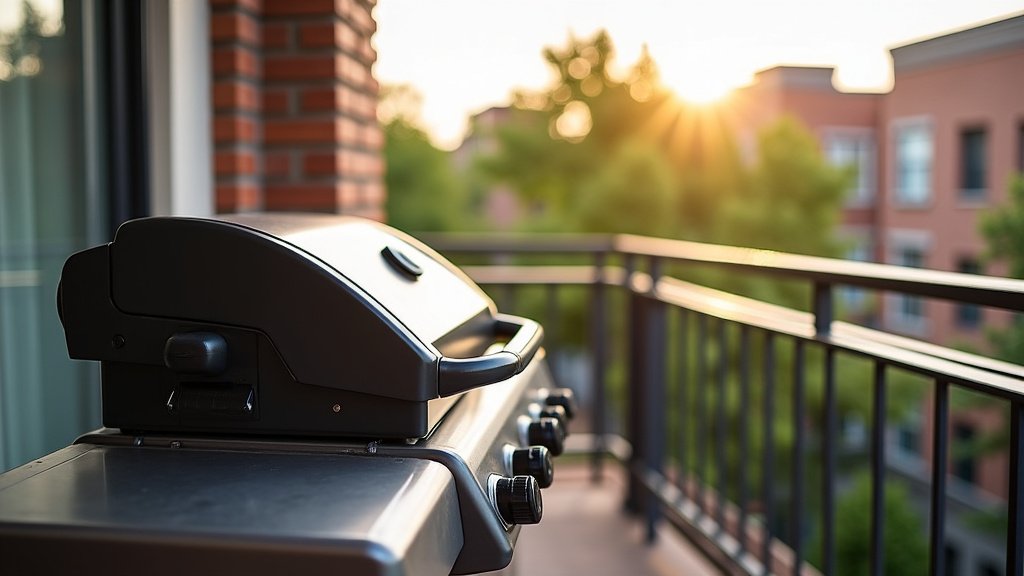
Balcony Grilling Checklist: Are You Ready?
Before you ignite your grill, run through this quick checklist:
- Have you thoroughly read and understood your apartment lease regarding grilling?
- Have you checked your local fire codes for specific balcony grilling regulations?
- Is your chosen grill a propane model, and is it appropriate in size for your balcony?
- Is your balcony surface heat-resistant, or do you have a protective grill mat?
- Do you have a fire extinguisher readily accessible and know how to use it?
- Are you committed to never leaving a lit grill unattended?
Conclusion
Grilling on your apartment balcony is definitely possible, but it requires diligence. Your lease and local fire codes are your first stops for permission. Remember, propane grills are generally preferred for their safety over charcoal. Always prioritize placement, keep your grill clean, and never, ever leave it unattended. By following these guidelines, you can safely enjoy the taste of summer right outside your door. Your next delicious meal awaits, but only after you’ve confirmed all safety checks are complete!
Frequently Asked Questions
What if my lease doesn’t mention grilling?
If your lease is silent on the matter of grilling, it’s best to contact your property manager or landlord directly. Don’t assume silence means permission. Getting explicit written consent is the safest way to avoid any misunderstandings or potential violations.
Are there specific grill sizes recommended for balconies?
Yes, smaller, compact propane grills are generally best for apartment balconies. Look for models designed for portability or small spaces. These are easier to manage and fit within any size restrictions your building might have.
How far away should a grill be from my apartment building?
Most fire safety guidelines recommend keeping grills at least 10 feet away from your building’s exterior, including siding, windows, and railings. Always verify this with your local fire code, as regulations can vary.
What should I do if I see a small grease fire on my grill?
If a small grease fire flares up, try to carefully move the food off the heat. Then, close the grill lid to cut off the oxygen supply. If the fire doesn’t subside quickly, use a fire extinguisher rated for grease fires (Class B). Never use water on a grease fire.
Can I use a cover on my balcony grill when it’s not in use?
Using a grill cover is generally fine for protecting your grill when it’s cool and not in operation. Ensure the grill and all its components are completely cool before covering. Check your lease or building rules, as some might have specific regulations about what can be stored on balconies.
