
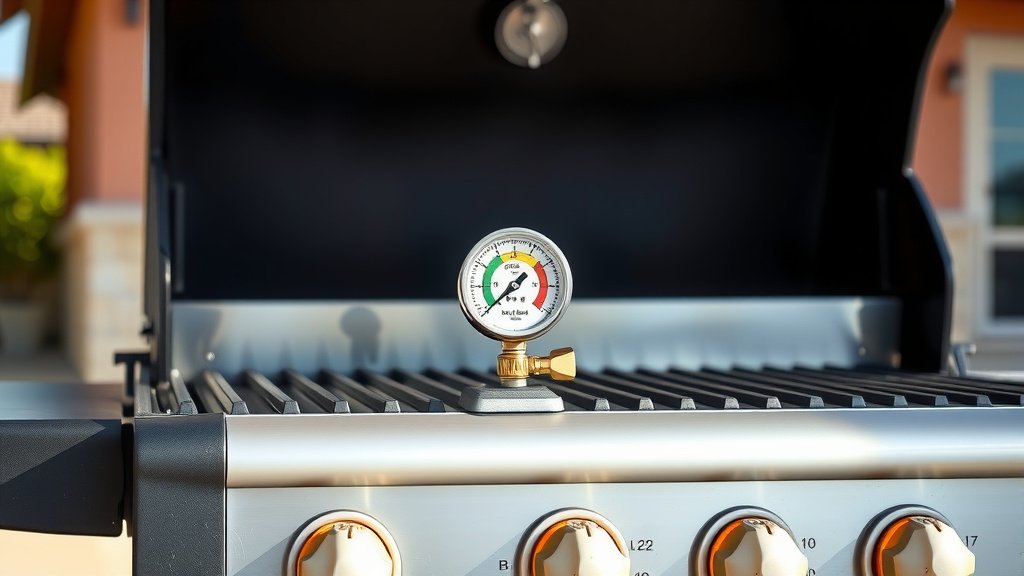
To fix a gas grill regulator, you often need to perform a simple reset procedure that addresses its internal safety mechanism.
This method usually restores normal gas flow, resolving issues like a weak flame or inconsistent heat from your gas grill regulator.
- Most gas grill regulator issues signal a tripped safety feature.
- You can reset the regulator by disconnecting and slowly reconnecting it to the tank and grill.
- Always inspect your gas tank, hoses, and grill connections for damage or blockages.
- Sometimes, the regulator is faulty and requires a complete replacement.
- Prioritize safety by always checking for leaks after any adjustments or replacements.
How To Fix A Gas Grill Regulator?
You can often fix a gas grill regulator by performing a simple reset procedure to bypass its safety mechanism.
This usually restores proper gas flow and brings your grill back to full power quickly.
Understanding Your Grill’s Regulator
Your gas grill regulator is a crucial part that connects your propane tank to your grill.
It controls the gas pressure, making sure your grill gets a steady, safe flow for cooking.
The Regulator’s Job Explained
Imagine your propane tank has a lot of pressure, like a full water hose. The regulator acts as a pressure reducer.
It takes that high pressure and brings it down to a safe, usable level for your grill’s burners.
Spotting a Regulator Problem
How do you know if your regulator is acting up? Your grill will often give you clear signs.
Look for low flames, difficulty lighting, or inconsistent heat across your cooking grates.
What Low Flame Tells You
If your grill’s flames are unusually small or weak, even on high settings, your regulator might be tripped.
This often means the safety device inside the regulator has engaged, restricting gas flow.
Safety Checks First: A Must-Do
Before you start poking around your grill, safety is your top priority. Gas grills involve flammable gas.
Always take precautions to avoid injury or damage (Consumer Product Safety Commission).
Before You Touch Anything
First, turn off your grill completely and disconnect the propane tank.
Make sure the tank valve is fully closed before you do anything else.
The Simple Gas Grill Regulator Reset
Many experts say that resetting your regulator is the most common fix for low gas flow.
This often solves the problem without needing a replacement part.
Your Step-by-Step Reset Guide
Ready to try the reset? Follow these steps carefully to restore your gas flow:
- Turn off all burner control knobs on your grill.
- Close the propane tank valve completely, turning it clockwise.
- Disconnect the regulator from the propane tank.
- Wait at least 5 minutes. This allows the internal safety device to reset.
- Reconnect the regulator to the propane tank, ensuring a snug fit.
- Slowly open the propane tank valve all the way. Do not rush this step.
- Open your grill lid and turn one burner knob to HIGH.
- Light the burner as usual. If it lights, turn on other burners one by one.
This slow reconnection helps prevent the regulator’s safety mechanism from tripping again.
Checking for Obstructions in the System
Sometimes, the problem isn’t the regulator itself but something blocking the gas path.
A simple visual check can often reveal a blockage or damage.
Inspecting Your Hose and Tank Valve
Look closely at the gas hose connected to your regulator. Is it kinked, pinched, or damaged?
Also, check inside the tank valve for any debris that might restrict flow.
Performing a Leak Test Safely
Any time you disconnect or reconnect gas components, a leak test is essential.
Gas leaks are dangerous and can cause fires or explosions (National Fire Protection Association).
The Soapy Water Method
Mix dish soap with water to create a bubbly solution. Ensure your tank valve is open.
Brush this mixture over all connections: tank to regulator, and regulator to grill.
If you see bubbles forming, that’s a leak! Tighten the connection or replace the faulty part.
When It’s Time for a New Regulator
You’ve tried the reset and checked for leaks and blockages, but your grill still isn’t working right.
At this point, we found that your regulator might be genuinely faulty and needs replacing.
Selecting the Right Replacement
Not all regulators are the same. You need one that matches your grill’s gas type (propane or natural gas) and connection.
Check your grill’s manual for the correct specifications or the model number on the existing regulator.
Here’s a quick guide:
| Feature | Description to Look For | Why It Matters |
|---|---|---|
| Gas Type | Propane (LP) or Natural Gas (NG) | Must match your fuel source. |
| Hose Length | Typically 2-5 feet | Ensures proper placement and reach. |
| Connection Type | QCC1 (most common for LP) | Needs to fit your tank valve securely. |
| Pressure Rating | Standard for grills is low pressure | Essential for safe and efficient operation. |
Installing Your New Regulator Properly
Installing a new regulator is straightforward if you follow the safety steps.
First, ensure the propane tank is off and disconnected.
Carefully unscrew the old regulator from the tank and the grill, then connect the new one.
Tighten all connections firmly with a wrench, but do not overtighten.
Once installed, always perform a leak test with soapy water before firing up your grill.
Conclusion
Troubleshooting a gas grill regulator often means a simple fix, like a quick reset procedure.
By understanding how your regulator works and following these steps, you can often restore your grill to full power.
Always remember that safety comes first, so perform leak tests and keep your connections secure.
With a little patience, you’ll be back to grilling your favorite meals in no time!
Frequently Asked Questions
Why does my gas grill have a weak flame after replacing the tank?
A weak flame after a tank change often means the regulator’s safety device has tripped due to gas surge. Perform the reset procedure: disconnect, wait, and slowly reconnect the regulator to the tank.
Can a dirty gas grill regulator cause problems?
While regulators are usually sealed, debris inside the tank valve or connecting hose can mimic regulator issues. Always check for blockages when troubleshooting low gas flow.
How long do gas grill regulators typically last?
Gas grill regulators can last several years, but their lifespan varies. Factors like exposure to weather and frequency of use can affect their durability. We found that many experts recommend replacing them every 5-10 years, or if you notice consistent performance issues after troubleshooting.
Is it safe to use a gas grill with a damaged hose near the regulator?
No, it is not safe to use a grill with a damaged hose. Any cracks, kinks, or wear on the hose can lead to dangerous gas leaks. You should immediately replace the entire hose and regulator assembly if the hose is damaged.
What is the difference between a high-pressure and low-pressure regulator?
High-pressure regulators deliver gas at a much greater force, suitable for specialty burners like turkey fryers. Standard gas grills use low-pressure regulators to provide a controlled, safe flame for cooking.
