
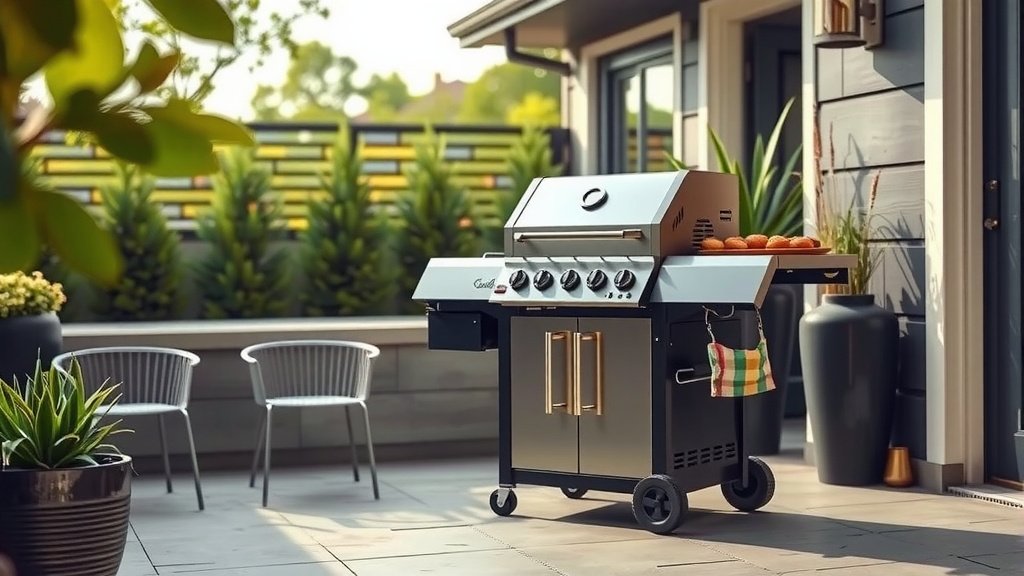
To use a propane grill, first ensure your propane tank is securely connected and check for any gas leaks using a simple soap and water solution before lighting. Then, open the tank valve slowly, turn on a burner to high, and press the igniter button to start the flame.
Once lit, preheat your grill to the desired temperature with the lid closed, typically for 10-15 minutes, before placing your food on the grates for cooking.
- Get started with your propane grill by connecting the tank and checking for leaks.
- Learn the simple steps to light your grill safely and efficiently every time.
- Discover the best way to preheat your grill for perfect cooking results.
- Master basic grilling techniques, from direct heat searing to indirect cooking.
- Understand essential cleanup and maintenance to keep your grill ready for action.
How To Use A Propane Grill?
Using a propane grill involves a few simple steps, from connecting the tank to preheating and cooking your favorite meals.
Why Propane Grilling?
Propane grills offer convenience and speed, heating up quickly for spontaneous cookouts. Many people appreciate their ease of use and consistent temperature control.
You get a clean-burning fuel source that leaves minimal ash, making cleanup simpler. It’s a favorite for backyard chefs seeking efficiency.
Safety First: Essential Checks
Before you even think about lighting a burner, safety must be your top priority. A quick check can prevent big problems.
Always inspect your grill and tank for any visible damage. Think of it as a pre-flight check for your backyard cooking adventure.
Connecting the Tank
Connecting your propane tank is straightforward. Make sure the tank valve is off before starting. Then, align the connector with the tank’s valve opening.
Screw it on clockwise until it feels snug and secure. Do not overtighten, as this can damage the seal (National Fire Protection Association).
The Leak Test
After connecting, perform a quick leak test. Mix some dish soap with water to create a bubbly solution. We found that a 50/50 mix works well.
Brush this solution over the tank valve and hose connections. If you see bubbles forming, you have a leak. Turn off the gas immediately and fix the connection.
Pre-Grill Setup: Getting Ready
Preparing your grill before cooking sets you up for success. It ensures your food cooks evenly and tastes amazing.
Think of this as your warm-up routine. A little effort now means better results later.
Clean Grates Are Happy Grates
Nobody wants food sticking to dirty grates. Always start with clean cooking surfaces. Use a good grill brush to scrub away any leftover residue from your last cookout.
Many experts say a clean grate prevents sticking and helps create those desirable sear marks. It also prevents old food from tainting new flavors.
Fuel Level Check
Running out of gas mid-cook is a real bummer. Before starting, quickly check your propane tank level. Some tanks have built-in gauges.
If yours doesn’t, you can pour warm water down the side of the tank. The water will feel cooler at the liquid propane level. Research often connects this simple method with surprisingly accurate results (Consumer Reports).
Lighting Your Grill Like a Pro
Lighting a propane grill is simple, but knowing the correct sequence is key. Always follow the manufacturer’s instructions, too.
It’s easier than striking a match, usually just a push of a button.
Igniting Main Burners
First, open the propane tank valve slowly, all the way. Then, turn one main burner knob to high. Press the igniter button immediately.
You should hear a whoosh and see the burner light. If it doesn’t light, try again. Once one burner is lit, you can turn on the others as needed.
What If It Won’t Light?
If your grill won’t light, don’t panic. Check your propane tank level again. Sometimes, the tank valve might not be fully open.
Also, ensure your igniter battery isn’t dead. Many grills have a manual lighting hole for a long lighter if the igniter fails. Always be careful.
Preheating for Perfection
Preheating is non-negotiable for great grilling. It gets your grates hot enough to sear food properly and prevents sticking.
Imagine trying to cook pancakes on a cold pan; it just doesn’t work well, right?
The Right Temperature
Close the lid after lighting your burners. Let the grill preheat for about 10 to 15 minutes, or until it reaches your desired temperature.
For most grilling, a temperature between 350-450°F (175-230°C) is ideal. The grill’s thermometer helps you monitor this.
Temperature Zones
Different foods cook best at different temperatures. Knowing your grill’s hot and cooler spots is a real game-changer.
Many experts set up zones for versatile cooking, placing different items on different parts of the grill.
| Cooking Type | Target Temperature | Ideal For |
|---|---|---|
| Searing (High Heat) | 450-550°F (230-290°C) | Steaks, burgers, quick-cooking veggies |
| Direct Grilling (Medium-High) | 350-450°F (175-230°C) | Chicken pieces, sausages, fish fillets |
| Indirect Roasting (Medium-Low) | 250-350°F (120-175°C) | Whole chickens, roasts, delicate fish |
Grilling Techniques: What to Know
Once your grill is hot, it’s time to cook! Understanding a few basic techniques makes all the difference.
You’ll quickly move from just cooking to actually grilling with skill.
Direct vs. Indirect Heat
Direct heat means cooking food directly over the flame. This is for quick-cooking items like steaks and burgers, creating a great sear.
Indirect heat involves placing food on a cooler part of the grill, away from direct flame. Use this for larger items that need more time, like roasts (Weber Grills).
Monitoring Your Food
Always keep an eye on your food. Use a meat thermometer to ensure proper internal temperatures for safety and optimal taste.
Don’t be afraid to adjust burner settings. Grilling is all about finding that perfect balance of heat and timing.
Post-Grill Rituals: Cleanup and Storage
After the feast, a little effort goes a long way. Proper cleanup makes your next grilling session easier and keeps your grill in great shape.
It’s like putting your tools away after a project. Ready for next time!
Cleaning After Each Use
While the grates are still warm, use your grill brush to scrape off any stuck-on food. This is much easier than waiting for it to cool down completely.
Many experts agree that a quick clean after each use prevents grime buildup. This prolongs the life of your grates too.
Storing Your Grill Safely
When the grill cools, turn off the propane tank valve. Disconnect the tank if storing for extended periods or moving the grill.
Cover your grill to protect it from the elements. This keeps it looking good and performing well for years.
Grill Storage Checklist:
- Turn off the propane tank valve.
- Disconnect the propane tank (if storing for long).
- Clean grates thoroughly.
- Remove any drip pan liner if full.
- Cover the grill with a weather-resistant cover.
Troubleshooting Common Grill Issues
Even seasoned grill masters face minor issues sometimes. Knowing how to troubleshoot helps you quickly get back to cooking.
It’s all part of the grilling adventure.
Low Flame or No Heat
If your flames are weak or nonexistent, first check if the propane tank is empty. A common cause is the grill’s regulator “tripping.”
To reset it, turn off all burners, then turn off the tank valve. Disconnect the regulator hose, wait a minute, and then reconnect. Slowly open the tank valve and try lighting again.
Flare-Ups: Stay Calm
Flare-ups happen when fat drips onto hot coals or burner flames. They can be startling, but usually harmless.
Move food to a cooler part of the grill, or temporarily turn off the affected burner. Keep a spray bottle of water nearby for small flare-ups (USDA recommends this for safety).
Mastering Your Propane Grill: Tips for Success
You’re well on your way to becoming a grilling pro. A few extra tips can make your propane grill experience even better.
Small habits lead to big grilling rewards.
Consider a Grill Cover
A good grill cover protects your investment from rain, sun, and dirt. We found that covers keep grills cleaner and prevent rust.
It extends the lifespan of your grill by shielding its internal components. This is a simple step to maintain your equipment.
Accessorize Smartly
Grilling accessories can really up your game. Tongs, spatulas, a good meat thermometer, and grill gloves are essential.
Consider a vegetable basket or a grill wok for smaller items. Many experts say the right tools make grilling safer and more enjoyable.
Conclusion
Using a propane grill is a rewarding experience, bringing delicious food and fun to your outdoor gatherings. By following simple safety checks, understanding proper lighting techniques, and practicing good maintenance, you’ll be grilling with confidence.
Remember to always prioritize safety, keep your grates clean, and experiment with different cooking methods. Your propane grill is ready to help you create countless memorable meals right in your backyard.
What should I do if my propane grill smells like gas?
If you smell gas, immediately turn off the propane tank valve and all grill burners. Move any people and pets away from the grill. Do not attempt to light it or troubleshoot further. Let the area ventilate, and only approach again once the smell has completely dissipated. If the smell persists, contact a professional.
Can I use my propane grill in the rain?
It’s generally not recommended to grill in heavy rain or severe weather conditions due to safety concerns and potential damage to your grill. Light drizzle might be acceptable with a grill cover, but avoid grilling directly exposed to precipitation. Water can affect gas flow and electrical components.
How often should I clean my grill grates?
You should clean your grill grates after every use. While the grates are still warm, use a grill brush to scrape off any food residue. A deeper cleaning of the grates and internal components can be done every 3-4 months, depending on how frequently you grill (Good Housekeeping Institute).
How do I know if my propane tank is almost empty?
Many propane tanks come with a gauge that shows the fuel level. If yours doesn’t, you can perform a warm water test. Pour warm water down the side of the tank; the metal will feel cool to the touch at the level of the liquid propane. The part of the tank that feels warm is empty.
Is it safe to store a propane tank indoors?
No, it is not safe to store propane tanks indoors, in garages, or in any enclosed space. Propane tanks should always be stored upright, outdoors, in a well-ventilated area, and away from direct sunlight or heat sources. This prevents the buildup of potentially dangerous gas in case of a leak (Consumer Product Safety Commission).
