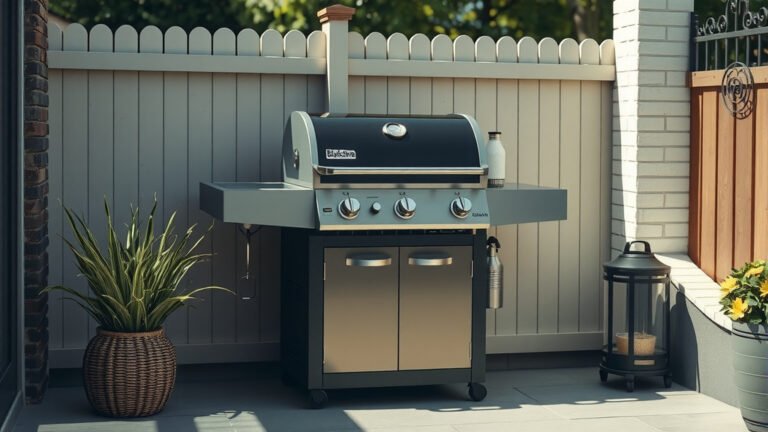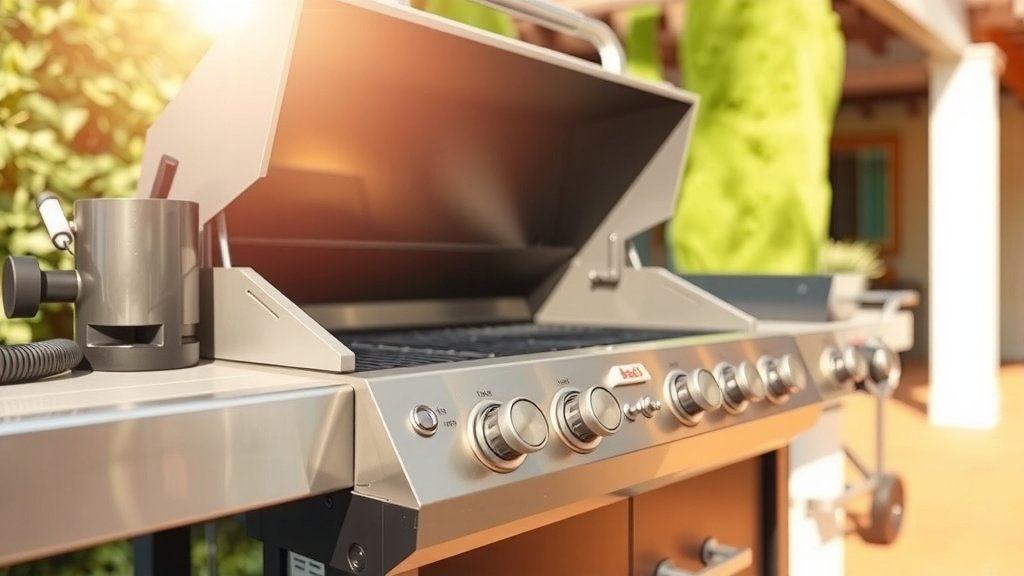
To turn on a propane grill, first ensure your propane tank is securely connected, then slowly open the tank valve fully counter-clockwise, and finally turn a burner control knob to high before pressing the igniter button.
Always practice safety by checking for leaks with soapy water before lighting your propane grill, and never leave an active grill unattended.
- First, always check your propane tank connection for safety.
- Slowly open the main propane tank valve all the way.
- Turn one burner knob to a high setting.
- Press the igniter button to light the burner.
- If the igniter fails, use a long match or lighter for manual ignition.
How Do You Turn On A Propane Grill?
You turn on a propane grill by connecting the gas line, slowly opening the propane tank valve, then turning a burner knob to high, and pressing the igniter button.
This sequence ensures a safe and effective start to your grilling session.
Safety First: Your Grilling Golden Rule
Before you even think about firing up the grill, your personal safety is most important. Grilling with propane is generally very safe when you follow simple guidelines. Think of it like driving; you wouldn’t just jump in and go, right?
Always ensure your grill is on a flat, stable surface away from anything flammable. We found that giving your grill at least three feet of clearance from walls and overhead items is a smart practice (National Fire Protection Association).
Checking Your Propane Tank
Is your tank full? Give it a gentle shake. If it feels light, you might need a refill. A half-empty tank can cause frustratingly weak flames.
Look for any visible damage on the tank or hose. Cracks or frayed spots are a definite no-go. These issues can lead to dangerous gas leaks.
Connecting the Regulator
The regulator is the hose that connects your grill to the tank. Twist it onto the tank valve clockwise until it’s hand-tight. You don’t need a wrench here; overtightening can cause damage.
Perform a quick leak test. Mix some dish soap and water, then brush it over the connection. Bubbles indicate a leak, meaning you need to tighten the connection or replace the hose.
Opening the Propane Tank Valve
This step is very important. Locate the valve on top of your propane tank. Slowly turn the valve counter-clockwise until it’s fully open. Why slowly? A rapid opening can trigger your grill’s safety bypass mechanism, limiting gas flow.
If you open it too fast and notice low flames, just close the tank valve completely. Wait a minute or two, then open it slowly again. This often resets the safety feature.
Lighting Your Grill Burners
Now for the exciting part – getting that flame! Always light one burner at a time. This prevents gas buildup, which could lead to a flash fire.
Start with the burner closest to your igniter button. Turn its control knob to the “High” position. You should hear a faint hiss of gas.
Using the Igniter Button
Once your burner is on high, press and hold the igniter button. You’ll hear a clicking sound. This spark should light the burner almost instantly. Keep pressing until it lights, usually within a few seconds.
If it doesn’t light right away, release the button, turn off the gas to that burner, wait 5 minutes for any gas to clear, then try again. Safety comes first, remember?
Manual Lighting: When Your Igniter Fails
Sometimes igniters fail. Don’t worry, it’s not the end of your barbecue plans! You can always light your grill manually. Here’s a quick checklist:
- Open your grill lid completely.
- Turn one burner knob to “High.”
- Immediately use a long grill lighter or a match in a holder.
- Place the flame near the burner ports.
- The burner should light instantly. Close the lid once it’s lit.
Always keep your face and body away from the burner area when lighting manually. It’s a quick flash, but still needs respect.
Preheating Your Grill
Once the first burner is lit, you can turn on the other burners. Close the grill lid. Allow your grill to preheat for about 10-15 minutes. This gets the grates to the right temperature for searing and helps cook food evenly.
A good preheat also helps burn off any leftover food residue from your last cookout. We found that a hot grill cleans itself, making your next meal even better.
Troubleshooting Common Issues
Even seasoned grill masters face issues. Don’t let a minor hiccup ruin your day. Most problems have simple solutions.
If your burners aren’t lighting or the flames are very weak, it’s often the OPD (Overfill Prevention Device) valve on the tank. This valve can restrict gas flow if opened too quickly.
To fix this, turn off all burner knobs and then completely close the tank valve. Wait a few minutes. Slowly open the tank valve all the way, then try lighting the grill again. This often resets the flow (Consumer Product Safety Commission).
Beyond the OPD issue, check your igniter. Is it sparking? You might see a faint blue spark. If not, the battery might be dead or the igniter wire loose. Some igniters have a small battery you can replace.
Also, ensure the burner ports aren’t clogged with grease or debris. A small wire brush can help clear them.
Maintaining Your Grill for Easy Starts
Regular maintenance is like giving your grill a spa day. It keeps everything running smoothly. Clean your burner tubes regularly. Spiders love to nest in those tubes, blocking gas flow!
Check your gas hose for cracks or brittleness before each use. Replacing a worn hose is a small expense for a big safety gain. We found that a well-maintained grill lasts longer and starts more reliably.
Propane Tank Safety Tips
Propane is a powerful fuel, so treat it with respect. Here’s a table summarizing key safety practices:
| Do’s | Don’ts |
|---|---|
| Store tanks upright in the open air. | Store tanks indoors or in enclosed areas. |
| Transport tanks securely and upright. | Transport tanks lying down or in hot cars. |
| Check for leaks with soapy water. | Use an open flame to check for leaks. |
| Keep tanks away from heat sources. | Expose tanks to direct sunlight or high heat. |
| Turn off tank valve when not in use. | Leave the tank valve open after grilling. |
Many experts say that always having a working fire extinguisher nearby when grilling is a smart safety measure. It’s better to have it and not need it (National Propane Gas Association).
Conclusion
Turning on your propane grill is a straightforward process when you follow a few simple steps. From checking your tank and connecting the regulator to lighting the burners and preheating, each action contributes to a safe and successful grilling experience.
Remember, safety isn’t just a suggestion; it’s the foundation of every enjoyable backyard cookout. By understanding your grill and practicing proper care, you’ll be cooking up delicious meals with confidence every time. Happy grilling!
How do I know if my propane tank valve is open?
You know your propane tank valve is open when you’ve turned the handwheel or knob fully counter-clockwise. This ensures maximum gas flow from the tank to your grill’s regulator and burners.
What if my grill igniter isn’t working?
If your grill igniter isn’t working, first check its battery, if applicable, and ensure wires are secure. If it still fails, you can safely light your grill manually using a long grill lighter or a match holder after turning on the burner’s gas.
Why are my grill flames so low?
Low grill flames are often caused by the grill’s overfill prevention device (OPD) engaging, which restricts gas flow. To fix this, turn off all burner knobs and the tank valve, wait a few minutes, then slowly reopen the tank valve fully before trying to light a burner again.
How long should I preheat my propane grill?
You should preheat your propane grill for about 10 to 15 minutes with the lid closed. This allows the grates to reach optimal cooking temperature, ensuring better searing and even cooking results for your food.
Can I store my propane tank indoors?
No, you should never store a propane tank indoors, in a garage, or in any enclosed space. Propane tanks must always be stored outdoors in a well-ventilated area, upright, and away from direct sunlight or heat sources for safety reasons.