
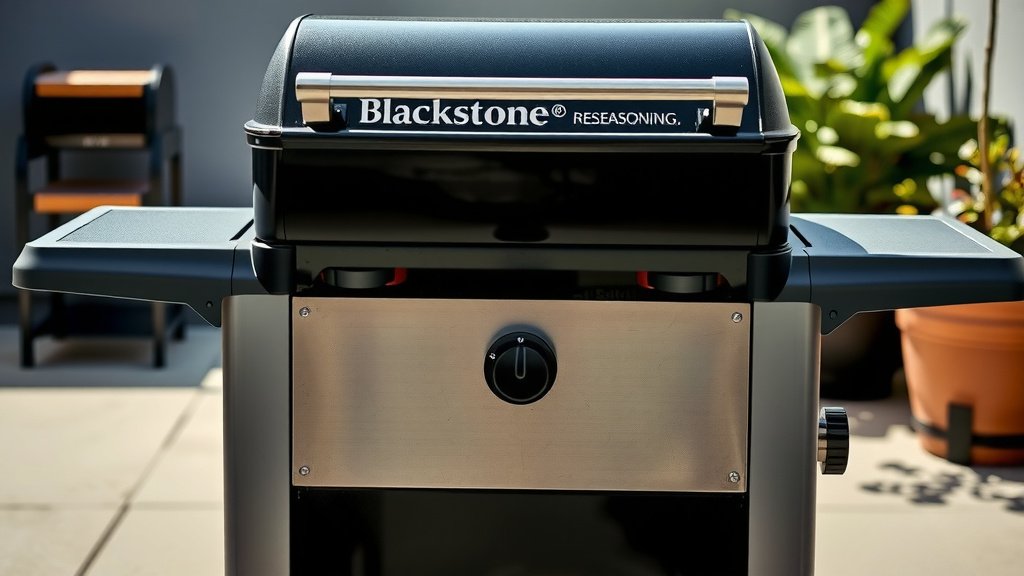
To clean a Blackstone grill, scrape off food debris, wipe with paper towels, and use hot water for stuck-on bits. Reseason it by applying a thin layer of high smoke point oil and heating it until it smokes, repeating several times.
You should clean your Blackstone grill after every use to prevent rust and maintain its non-stick surface, ensuring it is ready for your next culinary adventure.
- Scrape and wipe your grill after each use to keep it tidy.
- Use hot water for tough spots, but generally avoid soap on seasoned surfaces.
- Apply a thin coat of high smoke point oil, such as flaxseed or grapeseed oil.
- Heat the griddle until the oil smokes, then let it cool before the next layer.
- Repeat the oiling and heating process 3-5 times for a robust, durable seasoning.
How To Clean And Reseason A Blackstone Grill?
Cleaning and reseasoning your Blackstone grill involves simple steps to maintain its non-stick surface and prevent rust. You will need to scrape off food, wipe it clean, and then apply and bake on new layers of high smoke point oil.
Why Is Regular Cleaning Crucial for Your Blackstone?
Think of your Blackstone griddle as a well-loved cast iron skillet, but bigger. Regular cleaning and seasoning keep it performing beautifully. This practice extends the life of your grill and ensures your food always tastes fantastic.
A well-maintained surface prevents rust, which can ruin your griddle over time. It also helps create a naturally non-stick cooking area. Nobody wants their pancakes sticking, right?
Gathering Your Cleaning Toolkit
Before you start, make sure you have a few simple items ready. These tools make the cleaning process much easier and more effective. Having them handy saves you time and effort.
- Metal griddle scraper
- Paper towels or a clean cloth
- A squirt bottle with water
- High smoke point cooking oil (e.g., flaxseed, grapeseed, avocado)
- Heat-resistant gloves (optional, but helpful)
Safety First: Before You Start Cleaning
Always prioritize safety when working with a hot griddle. Make sure your grill is turned off completely. Allow the griddle surface to cool down somewhat, but it can still be warm for easier cleaning.
Working on a slightly warm surface helps lift stubborn food bits. However, a scorching hot griddle can be dangerous. Let it cool enough to handle safely.
Step-by-Step: How to Clean Your Blackstone Grill
Cleaning your griddle doesn’t have to be a chore. Breaking it down into steps makes it manageable. You’ll be surprised how quickly you can get it sparkling clean.
Phase 1: Initial Scraping and Wiping
Start by scraping off any large food debris. Use your metal griddle scraper to push everything into the grease trap. This step removes the bulk of the mess quickly.
Once scraped, use paper towels to wipe down the surface. This removes any remaining crumbs or grease. You might go through a few paper towels, and that’s perfectly normal.
Phase 2: Dealing with Stuck-On Food
Sometimes, food gets really stuck. Don’t worry; there’s a trick. Pour a small amount of water directly onto the griddle surface.
The water will bubble and steam, helping to loosen those stubborn bits. Then, use your scraper again to push everything off. This is a very effective method.
Phase 3: The Water Method for Deep Cleaning
For a thorough cleaning, especially after greasy meals, use more water. Many experts suggest pouring about a cup of water onto the warm surface. This creates a good steam bath.
Scrape the water and loosened bits into the grease trap. Repeat this if needed. Finish by wiping the surface dry with clean paper towels.
When to Avoid Soap on Your Griddle
You might wonder about using soap. Most experts advise against it for a well-seasoned griddle. Soap can strip away the protective seasoning layer you’ve worked hard to build.
Only use mild soap and water on a brand new griddle before its first seasoning. For daily cleaning, water and scraping are usually all you need to keep your griddle in top shape.
Understanding Blackstone Grill Seasoning: Why It Matters
Seasoning isn’t just about making your grill look good. It’s a vital protective layer. This layer prevents rust and creates a naturally non-stick cooking surface.
A properly seasoned griddle cooks food more evenly and adds a subtle, rich flavor. Think of it as developing character for your cooking surface. We found that a good seasoning makes a huge difference in cooking enjoyment.
Choosing the Right Oil for Reseasoning
The type of oil you use for seasoning is very important. You need an oil with a high smoke point. This allows the oil to polymerize and create a durable, hard surface.
| Recommended Oils | Smoke Point (approx.) | Notes |
|---|---|---|
| Flaxseed Oil | 350°F (177°C) | Often cited as best for initial seasoning due to strong polymerization. |
| Grapeseed Oil | 420°F (216°C) | Excellent all-around choice for seasoning and cooking. |
| Avocado Oil | 520°F (271°C) | Very high smoke point, great for maintenance. |
| Blackstone Seasoning & Conditioning Oil | Proprietary | Formulated specifically for griddles, easy to use. |
Oils to Generally Avoid
While tempting, certain oils aren’t ideal for seasoning. Olive oil and butter have low smoke points, for instance. They tend to burn and create a sticky residue rather than a hard, protective layer.
Many guidelines point to avoiding oils with added flavors or lower smoke points (Mayo Clinic). Stick to neutral, high smoke point oils for the best results.
Step-by-Step: How to Reseason Your Blackstone Grill
Reseasoning is simple but requires patience. It’s about applying very thin layers of oil and baking them on. This process creates that beautiful, dark, non-stick surface you desire.
Phase 1: Preparing the Surface for Oil
Make sure your griddle is completely clean and dry before seasoning. Any old food bits or moisture will prevent the seasoning from bonding properly. A perfectly clean surface is key.
Ensure there’s no visible rust or sticky residue. If there is, clean it thoroughly until the metal is smooth and ready for a fresh start. This preparation makes all the difference.
Phase 2: Applying the First Thin Layer of Oil
Pour a small amount of your chosen high smoke point oil onto the griddle. Use a paper towel to spread a very thin, even layer across the entire cooking surface. Less is definitely more here.
You want just enough oil to lightly coat the metal, almost invisible. Excess oil will lead to a sticky, gummy seasoning rather than a hard, cured layer. Wipe off any drips.
Phase 3: Heating and Curing the Seasoning
Turn your grill on to medium-high heat. You’ll see the griddle start to smoke as the oil heats up. Allow it to heat until the smoking stops completely.
This smoking process is the oil polymerizing, turning into a hard, non-stick coating. Once the smoke stops, turn off the grill and let the griddle cool down completely. Patience is your friend.
Phase 4: Repeating for a Durable Finish
For a truly durable seasoning, you need to repeat the oiling and heating process several times. Many experts recommend 3-5 layers for a robust initial seasoning. Each layer builds on the last.
Apply another thin layer of oil, heat until it smokes, and let it cool. Each cycle deepens the color and strengthens the non-stick properties. You’ll see the griddle darken with each step.
How Often Should You Reseason Your Griddle?
How often you reseason depends on usage and cleaning. After a very deep clean, especially if you had to scrub aggressively, you’ll need to reseason fully. Think of it as hitting the reset button.
For regular use, a quick maintenance seasoning after each cook is often enough. Just a tiny wipe of oil after cleaning can protect the surface. If food starts sticking more than usual, it’s a good sign to apply a few fresh layers.
Blackstone Grill Cleaning & Reseasoning Checklist
Keep this checklist handy for quick reference! It ensures you hit all the key points for a well-maintained griddle. A systematic approach helps protect your investment.
- Turn off grill and allow it to cool slightly.
- Scrape off all food debris into the grease trap.
- Wipe the surface clean with paper towels.
- Use water for stubborn stuck-on bits, then scrape.
- Dry the griddle surface completely.
- Apply a very thin layer of high smoke point oil.
- Heat the griddle until the oil stops smoking.
- Let the griddle cool down completely.
- Repeat oiling and heating 3-5 times for full seasoning.
Conclusion
Cleaning and reseasoning your Blackstone grill might seem like extra work, but it’s an investment in your cooking. By following these straightforward steps, you’re ensuring your griddle remains a fantastic tool for countless delicious meals. A well-cared-for griddle provides consistent, non-stick performance and resists rust, making every cooking session a joy. So, roll up your sleeves and give your griddle the attention it deserves!
How do I prevent food from sticking to my Blackstone grill?
To prevent food from sticking, always ensure your griddle is properly seasoned and preheated before cooking. Use a small amount of cooking oil on the surface with each cook, especially for foods prone to sticking like eggs or pancakes. Maintaining a good seasoning layer is the most important step.
Can I use steel wool or harsh scrubbers on my Blackstone griddle?
No, you should avoid using steel wool, abrasive pads, or harsh scrubbers on your Blackstone griddle. These can damage the seasoning layer and scratch the metal surface, making it more prone to rust and sticking. Stick to a metal scraper and paper towels for cleaning.
What if my Blackstone griddle has rust spots?
If your Blackstone griddle develops rust spots, you’ll need to remove them before reseasoning. You can gently scrub the rusted areas with a rust eraser, fine-grit sandpaper, or even a mixture of salt and lemon juice. Once the rust is gone, clean the area thoroughly, dry it, and then apply several layers of new seasoning.
How do I store my Blackstone grill after cleaning and reseasoning?
After cleaning and reseasoning, ensure your griddle is completely dry and has a fresh, thin layer of oil on it for protection. Store it with a griddle cover to protect it from moisture, dust, and elements. If you live in a humid area, you might even consider placing a few moisture absorbers under the cover.
Is it okay to use olive oil to season my Blackstone?
It is generally not recommended to use olive oil for seasoning your Blackstone griddle. Olive oil has a lower smoke point compared to other oils like grapeseed or flaxseed oil. It tends to burn and create a sticky, gummy residue rather than a hard, protective seasoning layer, which can make food stick more.
