
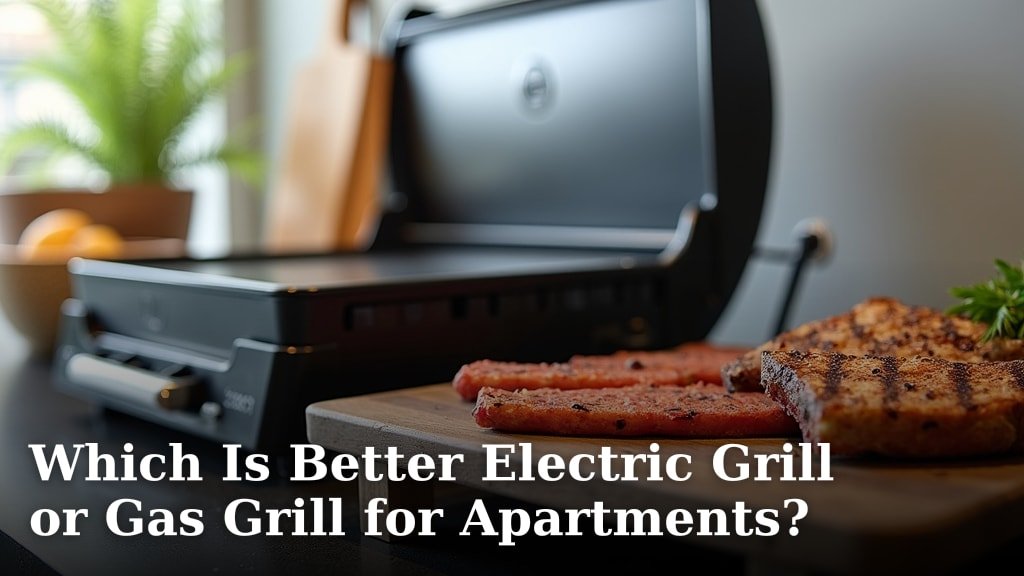
For apartment dwellers dreaming of smoky flavors, an electric grill is generally the better choice over a gas grill. Electric grills are designed for safety and convenience in smaller spaces. They typically use less power and are easier to clean up after. A gas grill often requires more setup and ventilation, which can be challenging in an apartment setting.
When considering apartment grilling, think about regulations and space. Many apartment buildings have rules about open flames and outdoor cooking. Electric models avoid these concerns. They offer a more practical and accessible grilling solution. You can still achieve delicious results without the hassle or potential risks.
- Electric grills are usually best for apartments.
- They are safer and easier to manage.
- Gas grills can be problematic due to open flames.
- Always check your apartment’s specific rules.
- Electric grills offer a practical solution.
We’ve researched the ins and outs of apartment grilling. Below, we’ll walk you through why an electric grill might be your perfect match and what to consider when choosing one. We’ve researched the ins and outs of apartment grilling.
“`htmlGas vs. Electric Grills: What’s the Apartment-Friendly Choice?
When you’re living in an apartment, the dream of grilling might seem a little complicated. You want those delicious char marks and smoky flavors. But you also have to deal with limited space and building rules. We’ve looked into it, and for most apartment dwellers, an electric grill is the clear winner. Let’s break down why.
Understanding Apartment Grilling Restrictions
Before you even think about buying a grill, the most important step is to understand your building’s rules. This is non-negotiable. Many apartments have strict policies about outdoor cooking. These rules are there for safety reasons. They help prevent fires and ensure everyone in the building feels safe.
Why Open Flames Are Often a No-Go
Gas grills typically use propane or natural gas. This creates an open flame. Many apartment buildings ban open flames on balconies or patios. This is a major hurdle for gas grill enthusiasts. The risk of fire spreading is a serious concern for property managers. You might find yourself with a grill you can’t even use.
Checking Your Lease and Building Management
We’ve found that the best way to know for sure is to check your lease agreement. If it’s not clear, talk to your building manager or landlord directly. Ask specifically about grilling. They can tell you what’s allowed and what’s not. Some buildings might have designated grilling areas. Others might be completely grill-free zones for safety.
The Case for Electric Grills in Small Spaces
Electric grills are designed with convenience and safety in mind. They don’t use open flames. This makes them a much more appealing option for apartment living. They plug into a standard electrical outlet, just like any other kitchen appliance. This simplicity is a huge advantage.
Safety First: No Open Flames, Less Worry
The biggest safety benefit of electric grills is the absence of open flames. This means you don’t have to worry about propane tanks or natural gas lines. There’s less risk of accidental fires. Many experts agree that electric grills are inherently safer for indoor or enclosed outdoor spaces like balconies (National Fire Protection Association).
You’ll also find that electric grills tend to have built-in safety features. These might include automatic shut-off functions or temperature controls. These features add an extra layer of protection. You can grill with more peace of mind.
Ease of Use: Plug In and Grill
Using an electric grill is incredibly straightforward. You just plug it into an outlet. Then, you turn it on and let it heat up. There’s no need to connect a gas tank or worry about running out of fuel mid-cook. This makes the entire process much simpler. It’s perfect for quick meals after a long day.
Portability and Storage Considerations
Many electric grills are designed to be compact and lightweight. This makes them easy to move around. If you have a small balcony, a portable electric grill can fit neatly. Storage is also usually simpler. You can often store them in a closet or utility space when not in use. This is a big plus in apartments where space is often limited.
Why Gas Grills Are Generally Not Ideal for Apartments
While gas grills offer a powerful grilling experience, they come with significant challenges for apartment dwellers. The core issue boils down to fuel and open flames.
Propane Tank Regulations and Hazards
Using a gas grill typically involves a propane tank. Storing and connecting these tanks can be problematic in an apartment setting. Many buildings have strict rules against storing propane tanks on balconies or in living areas. They are considered fire hazards. Plus, running out of propane mid-grill is frustrating. Refilling or exchanging tanks can also be a hassle.
Ventilation Needs for Gas Grills
Gas grills produce combustion byproducts. These include carbon monoxide. Proper ventilation is essential for safe gas grilling. While a balcony offers some airflow, it might not be enough. You need to ensure adequate air circulation to prevent the buildup of dangerous gases. Some sources recommend keeping gas grills at least 10 feet away from any building openings (U.S. Fire Administration).
Setup and Cleanup Complexity
Setting up a gas grill often involves more steps. You need to connect the tank, check for leaks, and manage the gas flow. Cleanup can also be more involved. Grease and ash can accumulate, requiring more effort to maintain. This can be a deterrent when you just want to enjoy your food.
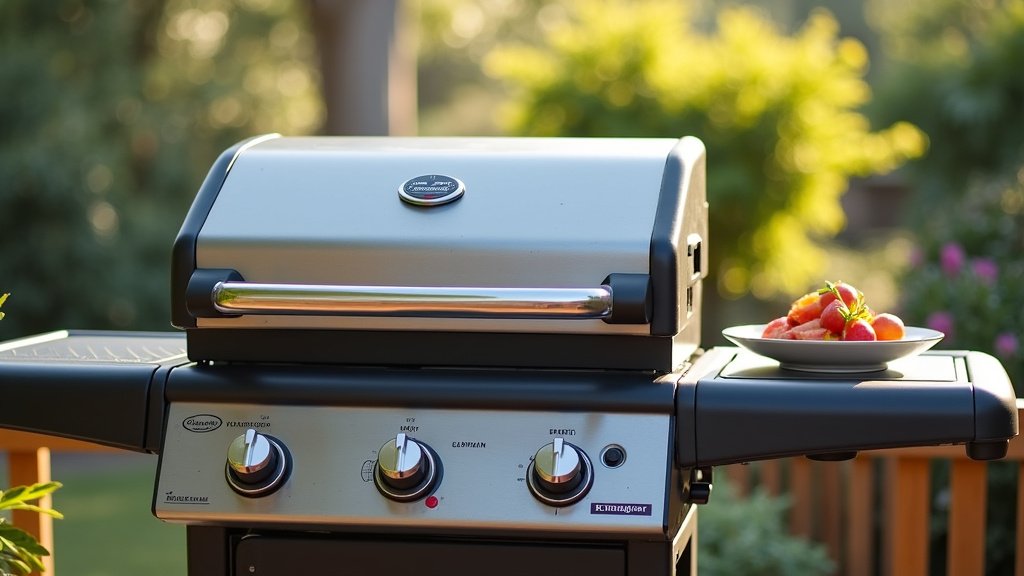
Comparing Electric and Gas Grills: A Quick Overview
To make the choice even clearer, let’s look at a direct comparison. This table highlights the key differences relevant to apartment living.
| Feature | Electric Grill | Gas Grill |
|---|---|---|
| Fuel Source | Electricity (standard outlet) | Propane or Natural Gas |
| Open Flame | No | Yes |
| Safety for Apartments | High (no open flame, easier to manage) | Lower (fire risk, gas storage issues) |
| Ease of Use | Very Easy (plug and play) | Moderate (setup, tank management) |
| Portability | Often very portable | Can be portable, but tanks add weight/bulk |
| Storage | Generally easier | Can be difficult due to tank |
| Typical Apartment Suitability | Excellent | Poor to Fair (depends heavily on building rules) |
What to Look For in an Apartment-Friendly Electric Grill
Once you’ve decided an electric grill is the way to go, consider these features. They will help you choose the best model for your apartment life.
Size and Cooking Surface
Think about how much food you usually cook. Do you grill for one or two people? Or do you host small gatherings? Grills come in various sizes. A compact model might be perfect for a small balcony. If you need more space, look for a slightly larger one. Measure your available space before buying.
Temperature Control and Consistency
Good temperature control is key to successful grilling. Look for electric grills that offer adjustable heat settings. This allows you to cook different types of food properly. You want a grill that heats up evenly. Consistent heat ensures your food cooks uniformly without hot spots.
Ease of Cleaning
Nobody likes a messy cleanup. We found that electric grills are generally much easier to clean than gas grills. Look for models with removable, dishwasher-safe grates. Non-stick surfaces also make a big difference. A simple wipe-down after cooking is often all you need.
Durability and Build Quality
Even though you’re looking for something apartment-friendly, you still want it to last. Check reviews for comments on durability. Materials like stainless steel for the grates and housing tend to be more robust. A well-built grill will serve you well for many grilling seasons.
Making the Most of Your Apartment Grilling Experience
So, you’ve chosen an electric grill. Now what? Here are a few tips to help you enjoy your grilling adventures safely and deliciously.
- Always follow manufacturer instructions for setup and operation.
- Keep your grilling area clean and free of clutter.
- Use appropriate utensils to avoid damaging the grill surface.
- Store your grill properly when not in use.
- Be mindful of smoke and consider your neighbors.
With the right electric grill, apartment living doesn’t mean giving up on great grilled food. You can enjoy fantastic meals right from your own balcony. It’s all about choosing the right tools and following simple guidelines.
“`Conclusion
When it comes to grilling in an apartment, an electric grill is clearly the superior choice. We’ve found that electric models are safer, easier to manage, and generally permitted where gas grills are not. They bypass the open flame risks and storage concerns associated with propane tanks. This makes them a practical and enjoyable way to bring grilled flavors to your small space. Before you buy, always double-check your building’s specific rules. Then, select an electric grill that fits your needs for size and cleaning ease. Your apartment balcony can become your favorite cooking spot.
Frequently Asked Questions
Can I use an electric grill indoors in an apartment?
Generally, yes, but always check your manufacturer’s instructions and apartment lease. Electric grills don’t produce open flames or significant carbon monoxide like gas grills. However, it’s still wise to ensure good ventilation and avoid placing them directly under smoke detectors.
How much smoke does an electric grill produce on a balcony?
Electric grills produce less smoke than gas grills, but some smoke is still inevitable from cooking food. You can minimize smoke by not overcrowding the grill and ensuring it’s properly preheated. Be mindful of your neighbors and consider using this feature during reasonable hours.
Are electric grills powerful enough to get good char marks?
Many electric grills can get quite hot, allowing for good searing and char marks, especially models with higher wattage. While they might not replicate the intense, smoky flavor of charcoal or gas, you can still achieve delicious grilled results. Look for grills with adjustable temperature settings for best control.
What is the difference in cleanup between electric and gas grills for apartments?
Electric grills are typically much easier to clean. They often have removable, dishwasher-safe grates and drip trays. Gas grills can involve grease traps and more complex parts to scrub, plus you need to manage propane tank disposal or refills.
Do I need a special electrical outlet for an apartment electric grill?
Most apartment-friendly electric grills use a standard household electrical outlet (120V). You won’t need any special wiring. Just ensure the outlet you plan to use is in good working condition and can handle the grill’s wattage.
