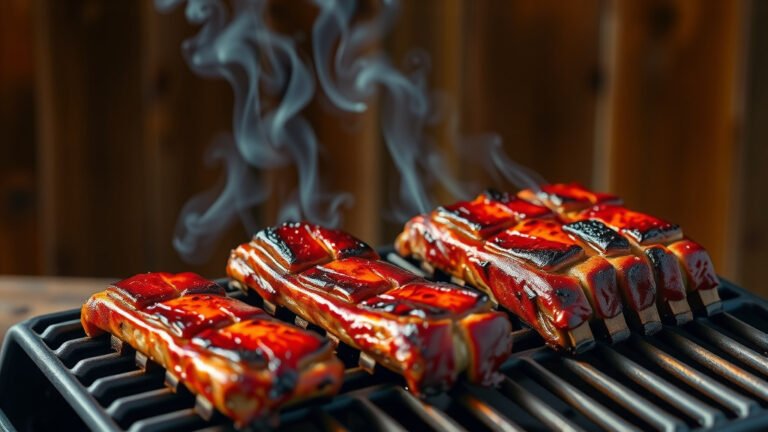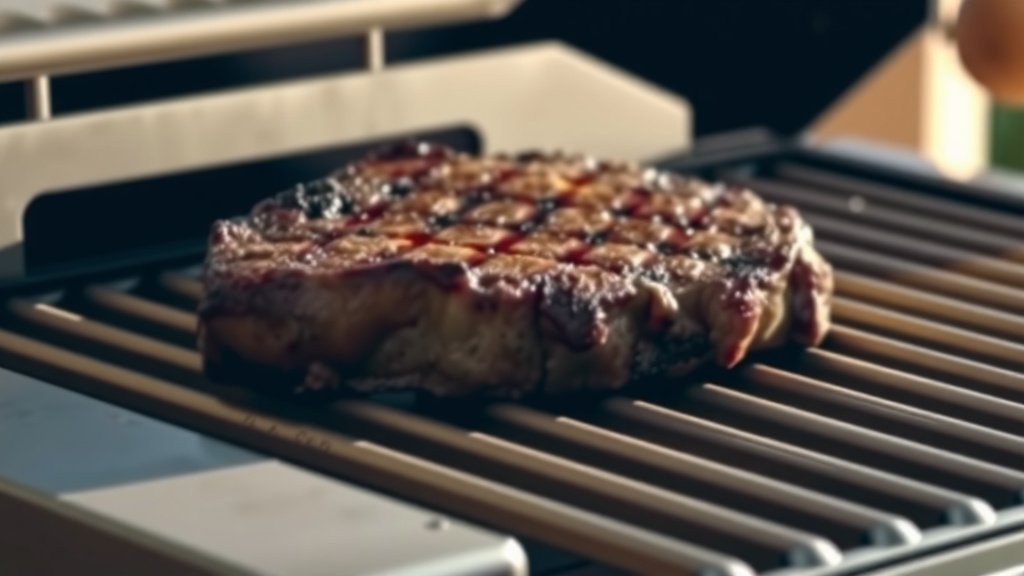
To grill steak on a pellet grill, aim for a high searing temperature of 450-500°F (232-260°C) for the best crust.
For thicker cuts, experts recommend a reverse sear, starting low around 225°F before finishing hot for ideal doneness.
For a quick overview of grilling steak on a pellet grill, here are the main points:
- Target 450-500°F (232-260°C) for searing.
- Consider reverse searing for thicker steaks.
- Always use a meat thermometer for accurate doneness.
- Rest your steak post-grill to retain juices.
- Preheat your grill fully for best results.
What Temperature To Grill Steak On Pellet Grill?
Grill steak on a pellet grill at 450-500°F (232-260°C) for a proper sear.
This high heat creates that desired flavorful crust. Lower temperatures are used first for thicker steaks.
Why Temperature Matters for Steak
The right temperature ensures even cooking. It develops a delicious caramelized exterior.
Too low means no crust; too high, charring. Precision enhances taste significantly.
The Sear Factor: High Heat is Your Friend
That beautiful brown crust comes from the Maillard reaction.
This process needs intense heat for rich flavor compounds. High heat means incredible steak.
Preparing Your Pellet Grill for Steak
Proper grill preparation is key. It sets the stage for a perfect steak.
Always preheat your pellet grill thoroughly. Allow 15-20 minutes for stable heat.
This prevents cold spots and ensures even cooking.
Mastering Internal Temperature for Doneness
Don’t trust visual cues for steak doneness. Use an instant-read meat thermometer.
This is the most accurate way to hit your preferred doneness (USDA).
| Doneness | Internal Temperature | Appearance |
|---|---|---|
| Rare | 125-130°F (52-54°C) | Cool red center |
| Medium-Rare | 130-135°F (54-57°C) | Warm red center |
| Medium | 135-140°F (57-60°C) | Warm pink center |
| Medium-Well | 140-150°F (60-65°C) | Slightly pink center |
| Well-Done | 155°F+ (68°C+) | No pink |
Grilling Methods: Reverse Sear vs. Direct Sear
Pellet grills offer two excellent methods: reverse searing and direct searing.
Reverse sear cooks slow then sears hot, ideal for thick cuts. Direct sear uses high heat throughout for thin steaks.
Steak thickness guides the best approach. Both aim for a great crust and juicy interior.
Reverse Sear Step-by-Step
This method suits thicker steaks, 1.5 inches or more. It provides superior control.
You get an even cook inside before adding the crispy crust. Many find this technique rewarding.
- Season your steak well.
- Set grill to 225-250°F.
- Cook until 10-15°F below target.
- Remove steak; increase grill to 450-500°F.
- Sear 1-3 minutes per side.
- Rest steak before serving.
Direct Sear Step-by-Step
For thinner steaks or when time is short, direct searing is efficient. It creates a quick, strong crust.
Preheat your pellet grill to 450-500°F. Place seasoned steak on hot grates. Flip every 1-2 minutes until done. Use a thermometer.
Temperature Adjustments for Different Steak Cuts
Steak cuts vary by thickness and fat. This impacts your pellet grill strategy.
Thin steaks (under 1 inch) need a fast, high-heat direct sear. This prevents overcooking.
Thick steaks (over 1.5 inches) benefit from reverse searing. It ensures even internal cooking.
The Importance of Resting Your Steak
Remove steak once it hits target temperature. Do not cut immediately.
Allowing 5-10 minutes lets juices redistribute. This gives a much more tender, juicy result (Food Network).
Cutting too soon makes juices escape. Patience truly pays off here.
Solving Common Pellet Grill Steak Problems
Even seasoned grillers face challenges. It’s part of the cooking journey.
Don’t worry; simple adjustments fix most issues. You’ll get a better steak.
Uneven cooking? Fully preheat your grill. Room temperature steaks cook evenly.
No good sear? Your grates might be too cool. Maximize grill temp for searing. Dry steak surfaces also help.
Here’s a quick checklist for a fantastic steak:
- Bring steak to room temperature (30-60 mins).
- Pat steak very dry with paper towels.
- Season generously with salt and pepper.
- Preheat grill fully to searing temperature.
- Use a reliable instant-read thermometer.
- Rest steak for 5-10 minutes post-grill.
Conclusion
Grilling steak on a pellet grill combines smoky flavor with precise cooking. It elevates your home cooking.
By focusing on high searing temperatures and accurate internal doneness, you can consistently achieve superb results.
Remember proper prep, the thermometer, and the crucial rest. Enjoy your perfectly grilled steak!
What is the best type of wood pellets for steak?
Many grillers prefer robust pellets like hickory, oak, or mesquite for steak. These woods offer a strong, classic smoky flavor that complements beef well, enhancing the overall taste.
Should I oil my steak or the grill grates?
Oiling the steak lightly with a high smoke point oil (e.g., avocado) is generally better. It prevents sticking and promotes a good sear without excessive smoke from the grates.
Can I grill frozen steak on a pellet grill?
Experts advise thawing steak first for best results. Thawing allows for even cooking and a superior sear. If frozen, a very low-temp reverse sear is an option, though not ideal.
How do I prevent my steak from drying out on a pellet grill?
Avoid overcooking by using a meat thermometer to hit your desired doneness. Always rest your steak for 5-10 minutes after grilling; this crucial step keeps the juices inside.
Is it possible to get grill marks on a pellet grill?
Yes, achieving grill marks requires very hot grates. Preheat your pellet grill to its maximum. Place the steak, leave undisturbed for 1-2 minutes, then rotate for clear marks and visual appeal.