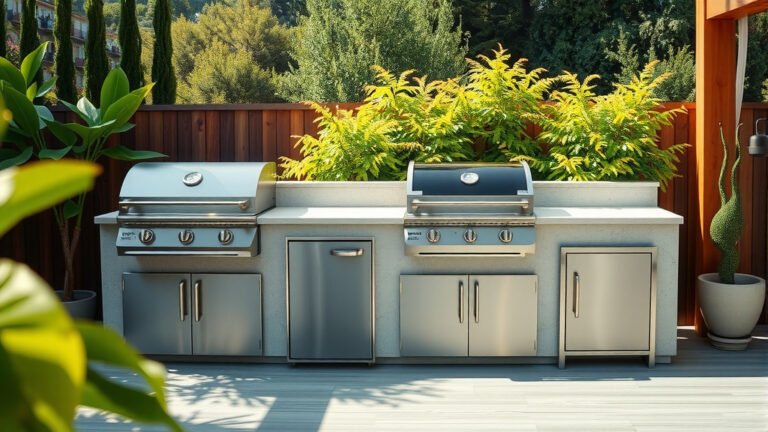
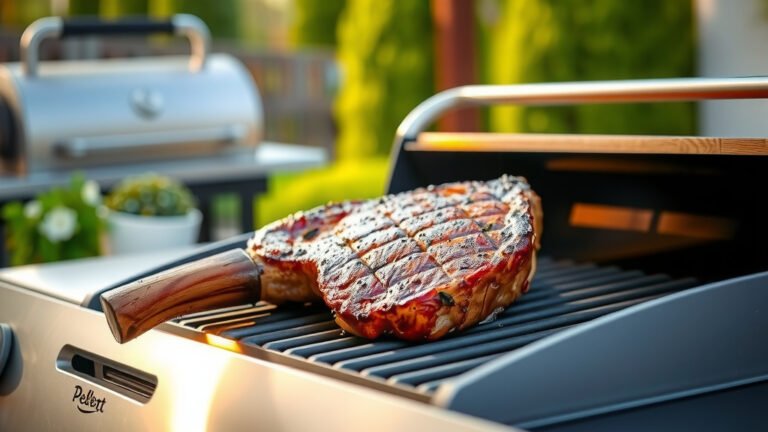
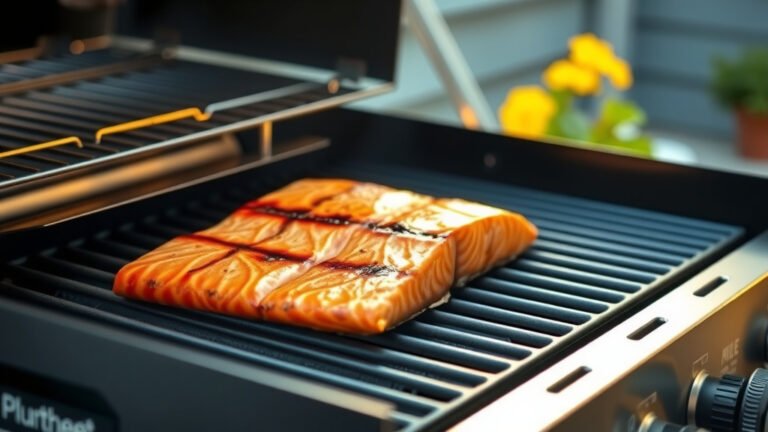
A smoker grill is a versatile cooking appliance designed to give you the best of both worlds: the ability to sear food over direct high heat and slowly cook it with flavorful smoke.
You get the crispy char of grilling combined with the tender, smoky goodness of traditional smoking, often in one convenient unit.
TL;DR: Here’s a quick look at what a smoker grill offers you:
- It’s a two-in-one cooking tool, perfect for both grilling and smoking.
- Expect amazing smoky flavors and juicy, tender results.
- You’ll find various types, including charcoal, pellet, gas, and electric models.
- They generally give you better temperature control than basic grills.
- Maintenance is straightforward and helps your unit last longer.
What Is A Smoker Grill?
A smoker grill combines the functionality of a barbecue grill and a meat smoker into one appliance. It lets you cook hot and fast, or low and slow, all in one place.
How Does a Smoker Grill Work?
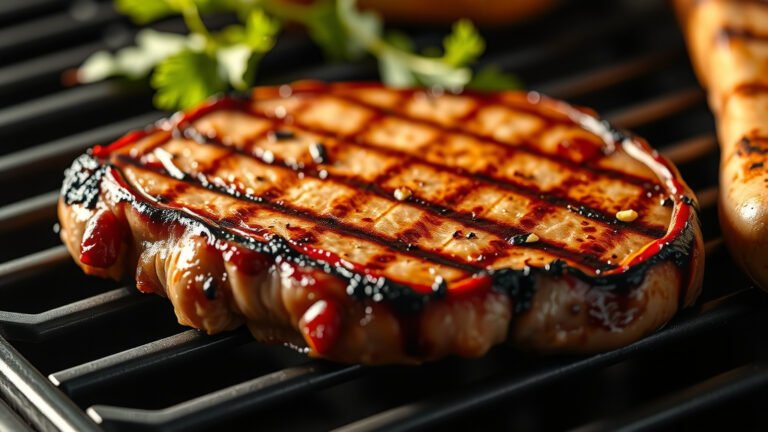
When you use a smoker grill, you are tapping into a system designed for dual cooking methods. For grilling, you typically apply direct heat, like coals or gas burners, directly below your food. This creates those familiar sear marks and cooks quickly.
For smoking, the process changes. You’ll often use indirect heat, where a heat source, often wood pellets or charcoal, generates smoke in a separate chamber or area. This smoke then circulates around your food, slowly cooking it and adding a deep, smoky flavor. Many models allow you to switch between these modes with ease, giving you great flexibility (Culinary Institute of America). We find this adaptability makes them a popular choice for backyard chefs.
The Science Behind the Smoke
Have you ever wondered what makes smoked food so special? It’s all about combustion. When wood or charcoal burns slowly, it releases compounds that infuse into your food, creating a unique aroma and taste. Different woods produce different flavor profiles, like mesquite for a strong taste or apple for a sweeter note. Many experts say understanding these wood differences can truly elevate your cooking.
Why Choose a Smoker Grill?
Choosing a smoker grill means embracing versatility and flavor. Imagine being able to cook ribs low and slow all day, then searing steaks for dinner on the same appliance. That’s the core benefit.
The Convenience Factor
One major reason many people turn to smoker grills is their convenience. Instead of needing two separate, bulky appliances – a grill and a smoker – you get one unit that does it all. This saves space and often simplifies your setup. Plus, we’ve found that modern smoker grills often come with features that make temperature management simpler than traditional methods.
Flavor Benefits
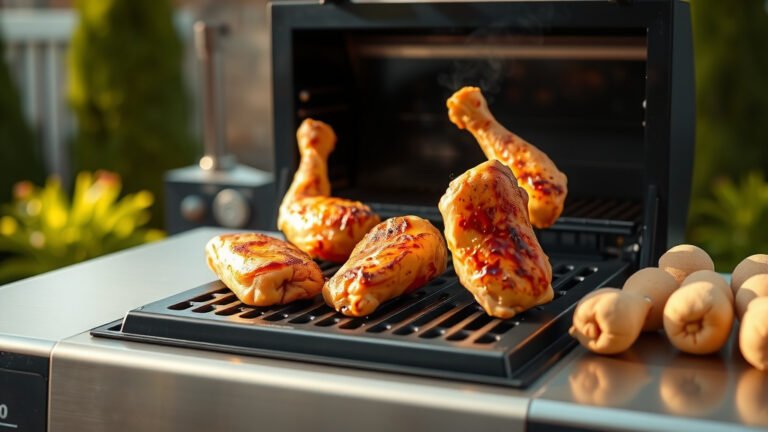
The flavor you get from a smoker grill is truly unique. Grilling gives you that crispy exterior and char, while smoking infuses your food with a tender, moist interior and a deep, aromatic taste. Combining these methods, or choosing one over the other, lets you cook a wider range of dishes, each with its own perfect finish. Who doesn’t love a juicy brisket or perfectly seared chicken?
Types of Smoker Grills
Just like cars, smoker grills come in different models, each with its own fuel source and quirks. Understanding these can help you pick the right one for your cooking style.
Charcoal Smoker Grills
These are the classics. Charcoal smoker grills use charcoal briquettes or lump charcoal for heat and smoke. They often require a bit more attention to manage temperature, but many enthusiasts love the authentic smoky flavor they provide. Think of it as a hands-on experience, rewarding you with deep, rich tastes.
Pellet Smoker Grills
Pellet smoker grills are often praised for their “set it and forget it” ease. They burn compressed hardwood pellets, which feed automatically into a firepot. An electric auger and fan maintain precise temperatures, making them fantastic for long smoking sessions. We’ve seen these grow in popularity due to their consistent results and ease of use.
Gas Smoker Grills
Using propane or natural gas, these grills offer quick heating and good temperature control. Some gas models include a separate smoke box where you can add wood chips for flavor. They are often ideal for those who value speed and don’t want to deal with ash cleanup. They blend convenience with a touch of smoke.
Electric Smoker Grills
Electric smoker grills are perhaps the easiest to operate. You plug them in, set the temperature, and add wood chips for smoke. They maintain consistent heat with minimal effort. While they might not produce as intense a smoke ring as charcoal or pellet smokers, they are great for beginners or anyone looking for maximum simplicity. Research often shows these are a great entry point into smoking (Grill Masters Review).
Grilling vs. Smoking: What’s the Difference?
It’s helpful to clearly understand the distinction, even though a smoker grill does both. Here’s a quick comparison:
| Feature | Grilling | Smoking |
|---|---|---|
| Temperature | High (350°F+) | Low (225-275°F) |
| Cooking Time | Fast (minutes to an hour) | Slow (hours to all day) |
| Heat Type | Direct | Indirect |
| Food Result | Seared, crispy exterior | Tender, moist, smoky |
Key Features to Look For
When you are looking at smoker grills, what truly matters? Here’s a checklist of things to consider:
- Temperature Range: Can it hit high temps for searing and low for smoking?
- Construction Quality: Is it durable, made with thick gauge steel?
- Hopper Size (for pellets): A larger hopper means less refilling during long smokes.
- Grates Material: Cast iron holds heat well; stainless steel is easy to clean.
- Ease of Cleaning: Removable ash pans and grease trays are a big plus.
- Digital Controls: Do you want precise temperature setting and monitoring?
Getting Started with Your Smoker Grill
So, you’ve got your new smoker grill. What’s next? Don’t just fire it up and throw on a brisket! There are a few steps to ensure the best experience.
Seasoning Your Smoker Grill
Just like a cast-iron pan, most smoker grills need to be seasoned. This involves running it empty at a moderate temperature for an hour or two. This burns off any manufacturing oils or residues and helps create a protective, non-stick surface on the grates. Many manufacturers recommend this process (User Manual Guidelines).
Temperature Control Basics
Mastering temperature control is key to both grilling and smoking. For grilling, you want consistent, high heat. For smoking, you are aiming for stable, low temperatures. This often means learning how to manage vents on charcoal units, or trusting the digital controller on pellet or electric models. We find that practicing with simpler cooks helps build confidence before tackling a large cut of meat.
Common Smoker Grill Questions
New to smoker grills? You probably have questions. That’s totally normal! We all start somewhere. For example, some people worry about how much fuel they’ll use, or if their food will taste ‘too smoky.’ The answers often depend on your specific model and preferences. Don’t be afraid to experiment a little.
Maintenance Tips for Longevity
Want your smoker grill to last for years and keep cooking delicious meals? A little regular cleaning goes a long way. After each cook, scrape down your grates and empty any ash or grease traps. Periodically, give it a deeper clean, scrubbing the interior and wiping down the exterior. Keep it covered when not in use to protect it from the elements. This helps prevent rust and keeps everything running smoothly (Equipment Care Manuals).
Conclusion
A smoker grill is a fantastic investment for anyone who loves cooking outdoors. It offers incredible versatility, allowing you to perfectly sear a steak one day and slow-smoke a rack of ribs the next, all from one convenient unit. By understanding the different types, key features, and a few basic tips, you’ll be well on your way to becoming a backyard BBQ hero. Enjoy the rich flavors and the fun of cooking with smoke!
How do I clean my smoker grill effectively?
For effective cleaning, start by scraping the grates immediately after cooking while they are still warm. Then, once cooled, remove and empty any ash or grease traps. Periodically, you should do a deeper clean of the interior, scrubbing away residue, and wipe down the exterior surfaces. Always keep your unit covered when not in use to protect it.
Can I use any type of wood in a smoker grill?
Not all wood is suitable for smoker grills. You should always use hardwood cooking pellets or wood chips/chunks specifically designed for smoking. Avoid treated wood, softwoods like pine, or anything that might have chemicals, as these can produce harmful fumes and unpleasant flavors. Fruit woods like apple and cherry, or hardwoods like hickory and mesquite, are popular choices.
What’s the ideal temperature for smoking meat?
For most smoking, the ideal temperature range is between 225°F and 275°F. This low and slow approach allows connective tissues in the meat to break down, resulting in tender, juicy results. Always use a reliable meat thermometer to check the internal temperature of your food, not just the grill’s ambient temperature.
Do smoker grills use a lot of fuel?
Fuel consumption varies greatly depending on the type of smoker grill, the outside temperature, and how long you are cooking. Pellet grills, for example, might use 1-3 pounds of pellets per hour for smoking. Charcoal grills can use a significant amount of charcoal over long cooks. Gas and electric models might be more efficient for shorter cooks. Planning your cooks can help manage fuel usage.
Are smoker grills difficult for beginners to use?
Many modern smoker grills, especially pellet and electric models, are quite beginner-friendly due to their precise temperature control and “set it and forget it” features. Charcoal models might have a steeper learning curve for temperature management. With a little practice and patience, anyone can learn to use a smoker grill to produce delicious food. Don’t be intimidated!