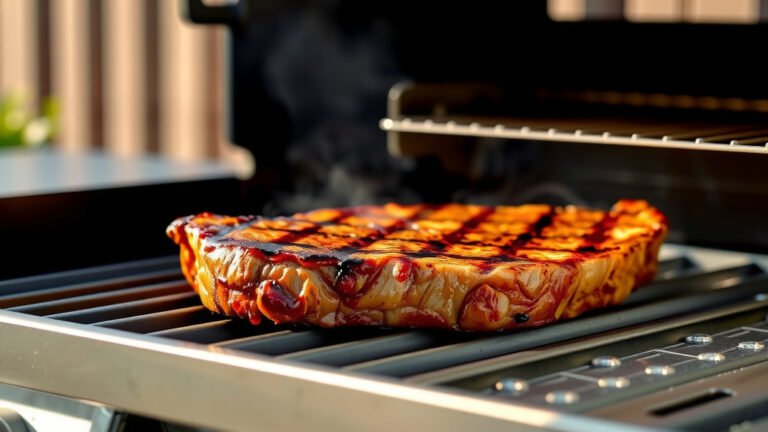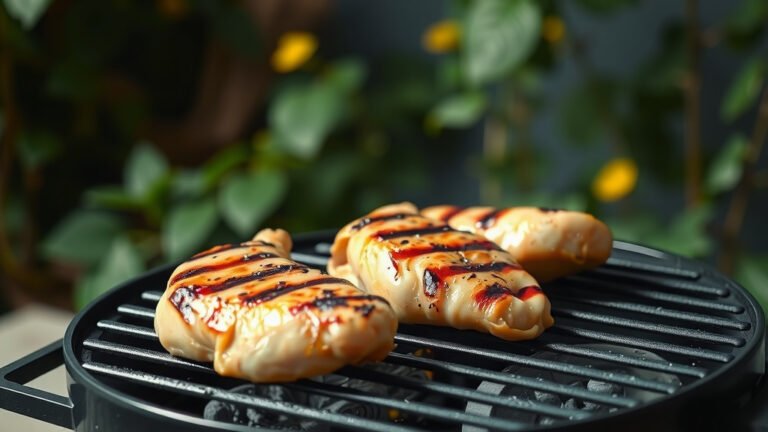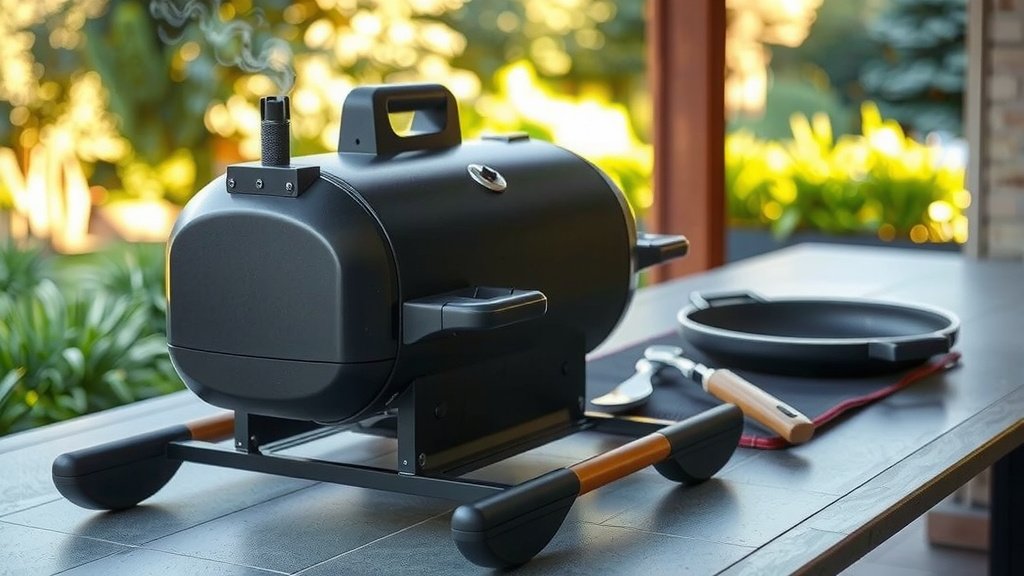
A pellet grill is an outdoor cooking appliance that combines the features of a smoker and a grill, using natural hardwood pellets as fuel.
It automatically feeds these pellets into a firepot, creating consistent heat and smoky flavor for your food.
TL;DR: Here’s what you need to know about pellet grills:
- They use hardwood pellets for fuel, delivering a rich, smoky taste.
- Advanced temperature controls make cooking easy and consistent.
- Pellet grills offer versatility, acting as a grill, smoker, and even an oven.
- They are generally beginner-friendly, providing a hands-off cooking experience.
- Expect a delicious, wood-fired flavor with minimal effort.
What Is A Pellet Grill?
A pellet grill stands as a fascinating innovation in outdoor cooking. It offers a unique blend of smoking and grilling capabilities, powered by real wood.
You get that desirable wood-fired flavor without the constant attention charcoal grills demand.
How Does a Pellet Grill Work? It’s Pretty Smart!
Have you ever wondered about the magic behind these grills? It’s quite ingenious. A hopper stores the hardwood pellets.
An auger then moves these pellets into a fire pot, where an ignition rod starts the combustion. A fan circulates the heat and smoke evenly.
This whole process is governed by a digital controller, letting you set a precise temperature.
It’s like having a smart oven outdoors, but with fantastic smoky goodness!
The Core Components: A Closer Look
Understanding the parts makes you a more confident pitmaster. You have the hopper, which holds the pellets.
The auger screws them into the firepot. An ignition rod lights them up.
A fan ensures even heat distribution, while the digital controller manages it all (Traeger Grills).
What Are Wood Pellets? The Fuel for Flavor
The secret to a pellet grill’s taste lies in its fuel: wood pellets. These are compressed sawdust from various hardwoods like hickory, apple, or cherry.
They burn efficiently and produce clean smoke. We found that different wood types offer unique flavor profiles, letting you customize your meals.
Why Choose a Pellet Grill? The Advantages
Many people find pellet grills a new experience for backyard cooking. Why are they so popular?
The benefits often outweigh the initial learning curve, giving you impressive results.
Unmatched Temperature Control
One major draw is the precise temperature control. You can set it from around 180°F for low-and-slow smoking up to 500°F or more for grilling.
Many experts say this consistency takes the guesswork out of cooking (Pit Boss Grills).
Imagine setting your brisket for a 12-hour smoke and just walking away! That’s convenience.
Incredible Wood-Fired Flavor
Charcoal gives you that classic BBQ taste, but pellet grills deliver a pure wood-fired flavor.
You get a beautiful smoke ring and a depth of taste. This flavor is hard to replicate with gas grills.
It’s the closest you get to a traditional stick burner, but with modern ease.
Versatility: Grill, Smoke, Bake, Roast, Braise, BBQ!
Is it a grill? Is it a smoker? It’s both, and more! Pellet grills are incredibly versatile.
You can smoke a rack of ribs, grill some steaks, or even bake a pizza.
Some models allow for searing at very high temperatures, making them truly multi-functional.
Ease of Use: Beginner-Friendly Cooking
If you’re new to outdoor cooking, a pellet grill might be your best friend. They are often described as “set-it-and-forget-it” machines.
There’s no need to constantly monitor the fire or adjust vents. We found that this hands-off approach makes cooking stress-free.
What Are the Downsides of Pellet Grills?
Every cooking appliance has its trade-offs. While pellet grills offer many perks, it’s good to know their limitations.
Understanding these helps you make an informed choice for your outdoor kitchen.
They Need Electricity to Run
Unlike charcoal or gas grills, a pellet grill needs an electrical outlet. This powers the auger, fan, and digital controller.
You can’t just take it to a remote campsite without a power source or generator. Plan your cooking location accordingly.
Initial Cost Can Be Higher
Generally, pellet grills tend to have a higher upfront cost compared to basic gas or charcoal grills.
However, many people view this as an investment in convenience and superior flavor.
Pellet Consumption and Cost
You’ll need to keep a steady supply of wood pellets. While not extremely expensive, it’s an ongoing cost.
Running out mid-cook is no fun. Always ensure you have an extra bag on hand, especially for long smokes.
Searing Power Can Be Limited (for some models)
While many pellet grills can reach grilling temperatures, some models struggle with high-temperature searing.
If you love a super-crispy steak crust, you might need a model with a dedicated sear box or an additional grill.
Pellet Grills vs. Other Grill Types: A Quick Look
How do pellet grills stack up against the competition? Each grill type has its own strengths.
This table helps you see where a pellet grill shines.
| Feature | Pellet Grill | Gas Grill | Charcoal Grill |
|---|---|---|---|
| Fuel Type | Hardwood Pellets | Propane/Natural Gas | Charcoal Briquettes/Lump |
| Flavor | Rich Wood Smoke | Clean, Less Smoke | Classic BBQ Smoke |
| Temperature Control | Precise Digital | Good, Manual Dials | Challenging, Manual Vents |
| Ease of Use | High (Set-and-Forget) | High (Quick Start) | Medium (Requires Attention) |
| Versatility | High (Smoke, Grill, Bake) | Medium (Grill) | Medium (Grill, Basic Smoke) |
Keeping Your Pellet Grill Happy: Basic Maintenance
Just like any appliance, a little care goes a long way. Keeping your pellet grill clean ensures optimal performance and longevity.
It’s not too demanding, and a few simple steps will keep your cooks delicious.
Regular Cleaning is Simple
After each cook, it’s wise to scrape the grates. Every few cooks, empty the ash pot.
This prevents ash buildup, which can affect airflow and burn efficiency. Many people find this process straightforward.
Check Your Pellets
Always store your pellets in a dry place. Moisture can swell them, making them unusable.
Dry pellets ensure smooth feeding through the auger and consistent heat.
Is a Pellet Grill Right for You? A Quick Checklist
Thinking about getting one? Consider these points to see if it aligns with your cooking style.
You want a grill that fits your lifestyle, right?
- Do you love authentic wood-smoked flavor?
- Do you want precise temperature control?
- Are you looking for a versatile cooking machine?
- Is “set-it-and-forget-it” cooking appealing?
- Do you have access to an outdoor power outlet?
- Are you okay with the cost of pellets and the initial investment?
Conclusion
A pellet grill truly stands as a remarkable tool in the outdoor cooking world. It offers a unique blend of convenience, precise control, and incredible wood-fired flavor.
While it requires electricity and an initial investment, the versatility and ease of use make it a favorite for many backyard chefs.
If you cherish delicious, smoky food with minimal fuss, a pellet grill might just be your next favorite cooking companion. Why not discover the delicious possibilities?
What is the main advantage of a pellet grill over a gas grill?
The primary advantage is the authentic wood-fired flavor and the ability to easily smoke foods. Gas grills offer convenience but don’t impart the same depth of smoky taste.
Can you really bake in a pellet grill?
Absolutely! Many pellet grills function much like a convection oven due to their precise temperature control and fan circulation. You can bake bread, pies, or even casseroles right in your grill.
Are pellet grills difficult to clean?
No, generally they are not. The cleaning process typically involves emptying an ash pot and scraping grill grates. There’s no messy charcoal to dispose of, making cleanup simpler than traditional smokers.
How much do wood pellets cost?
The cost of wood pellets varies by brand and type, but you can usually find bags for around $15-$25 for 20 pounds. This amount can last for several cooks, depending on the cooking duration and temperature.
Do pellet grills produce a lot of smoke?
Pellet grills produce a consistent, clean smoke, especially at lower temperatures (around 180-225°F) for smoking. At higher grilling temperatures, the smoke is less noticeable, but the wood flavor is still present.