
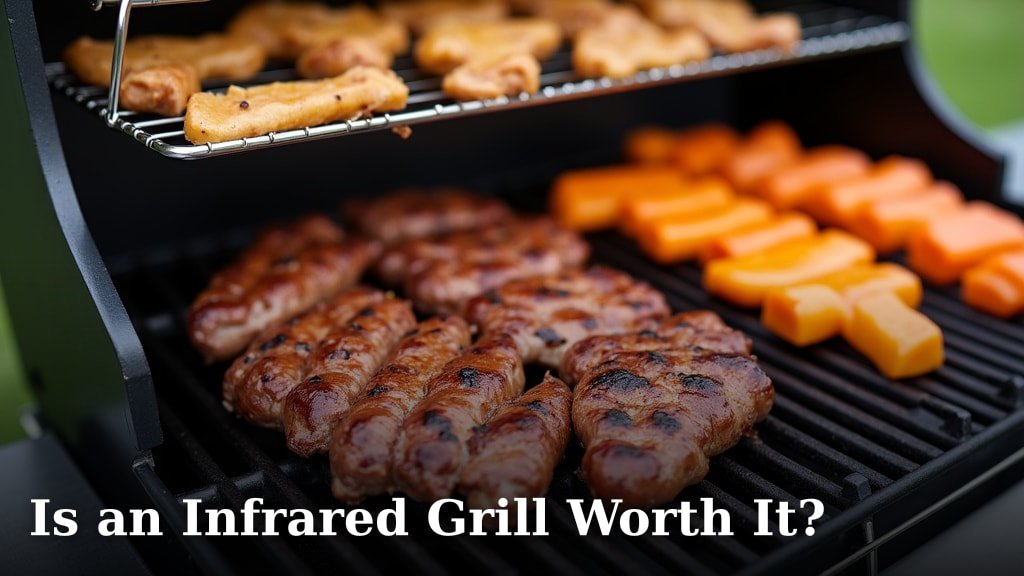
Yes, an infrared grill can be worth it, especially if you’re looking for faster cooking times and incredibly even heat distribution. You’ll get a perfect sear every time, locking in juices and flavor. Many grill enthusiasts find the results are truly superior to traditional grills.
This type of grill uses infrared technology to heat food directly. It works by emitting infrared waves, which cook your food from the outside in. We found that this method minimizes flare-ups and reduces hot spots. Your burgers will be juicy and your veggies perfectly charred.
- Infrared grills cook food directly with heat waves.
- They offer faster cooking and even temperatures.
- Achieve a beautiful sear on your meats.
- Enjoy less flare-up and fewer hot spots.
So, is an infrared grill the right upgrade for your backyard? We’ve researched what makes them special and want to walk you through it.
Are Infrared Grills the Right Choice for You?
So, you’re wondering if an infrared grill is the upgrade your backyard deserves. You’ve heard they cook faster and sear better. We’ve looked into it, and the answer is often a resounding yes, especially if those things are high on your list. You’ve heard they cook faster and sear better; our guide to the best infrared grill for beginners explains the technology.
Think of infrared heat like the sun on your skin, but way more controlled. It’s a direct heat transfer that bypasses the air. This means your food cooks more evenly and a lot quicker than on a standard grill. We found many grillers love the speed and consistency it offers.
How Does Infrared Grilling Actually Work?
It all comes down to special burners. These burners don’t just get hot; they emit infrared radiation. This radiation passes through the air and directly heats the surface of your food. It’s a bit like using a powerful heat lamp, but designed for grilling.
The Science Behind the Sear
When infrared waves hit your food, they transfer energy very efficiently. This causes the surface molecules to vibrate rapidly, creating heat. This process locks in moisture and creates that beautiful crust we all love. We found that this direct heat application is key to preventing dry meat.
This is different from traditional gas or charcoal grills. Those rely on heating the air inside the grill. That hot air then transfers heat to your food. Infrared grilling skips the middleman, making it a more direct and intense cooking method.
Why No More Flare-Ups?
One of the biggest complaints about grilling is flare-ups. They happen when grease drips onto the heat source, igniting fat. Infrared burners, however, are often designed with emitters that catch grease before it hits the flame. This significantly reduces the chance of those dramatic, smoky flare-ups. We found that this makes for a safer and cleaner grilling experience.
Key Advantages of Using an Infrared Grill
Beyond the basic science, what are the real-world benefits you’ll experience? We’ve identified several points that make these grills stand out.
Unmatched Searing Power
This is where infrared grills truly shine. They can reach incredibly high temperatures very quickly. This allows you to achieve a restaurant-quality sear on steaks, burgers, and chops. The intense heat caramelizes the outside, creating a delicious crust while keeping the inside perfectly tender and juicy. Many chefs consider this level of sear to be superior to other methods.
Consistent Heat Distribution
Hot spots are the bane of any grill master’s existence. You know the drill: one side of your food is perfectly cooked, while the other is burnt or undercooked. Infrared technology helps eliminate this problem. The heat radiates evenly across the entire cooking surface. We found this results in very predictable cooking, every single time you grill.
Faster Cooking Times
Because the heat is so direct and intense, food cooks faster. You can often cut your grilling time in half compared to conventional grills. This is fantastic for busy weeknights when you want a delicious meal without spending hours in the backyard. Imagine getting dinner on the table that much quicker!
Juicier Results
The quick, high-heat searing action seals in the natural juices of your food. This prevents moisture from escaping, resulting in more flavorful and tender meals. Unlike traditional grills where heat can slowly dry out food, infrared keeps the moisture locked in. We found that this makes a noticeable difference in the final taste and texture.
Reduced Smoke and Better Flavor Control
While some smoke is good for flavor, excessive smoke can be overpowering. The reduced flare-ups mean less acrid smoke. This allows the natural flavors of your food to come through more clearly. You can still achieve a smoky flavor if you desire, but it’s more controlled. Many users report a cleaner, purer taste from their grilled items.
Understanding Infrared Grill Limitations
While infrared grills offer many fantastic benefits, they aren’t perfect for everyone. It’s important to consider the potential downsides too. We’ve researched the common drawbacks you might encounter.
Initial Cost and Price Range
Infrared grills tend to be more expensive than their traditional counterparts. The advanced technology and materials used in their construction contribute to a higher price point. You’re investing in superior performance, but it comes with a bigger upfront cost. We found that prices can range from a few hundred dollars for smaller models to over a thousand for high-end units.
Learning Curve for New Users
The intense heat and faster cooking times can take some getting used to. If you’re accustomed to longer, slower grilling methods, you might find yourself overcooking food initially. It requires a bit of adjustment to your timing and technique. Think of it like switching from manual to automatic transmission; it takes a little practice to master.
Not Ideal for Low-and-Slow Cooking
Infrared grills excel at high-heat searing and quick cooking. They are generally not designed for low-and-slow cooking methods like smoking ribs or briskets. While some models might offer secondary burners or ways to reduce heat, their primary strength isn’t at temperatures below 300°F. If your main goal is smoking, a dedicated smoker or a grill with robust low-temperature capabilities might be a better fit.
Potential for Hot Spots if Not Maintained
While infrared technology inherently promotes even heating, components can wear out or get dirty. If the emitter plates become clogged with grease or debris, it can create uneven cooking. Regular cleaning and maintenance are crucial to ensure you continue to benefit from the even heat distribution. We found that many experts recommend diligent cleaning after each use.
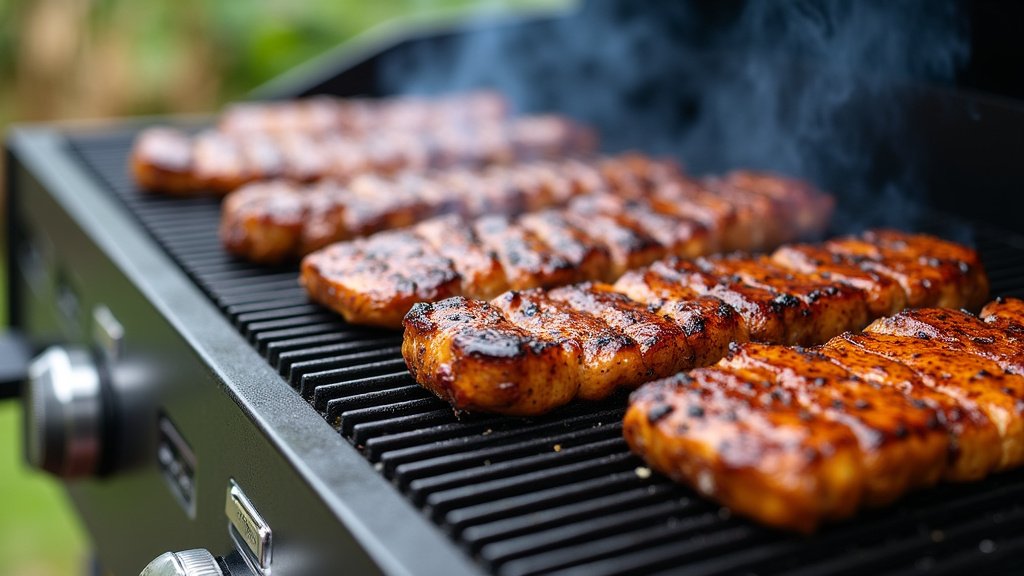
Who Benefits Most from an Infrared Grill?
Given these pros and cons, who stands to gain the most from this type of grill? We’ve identified a few key groups.
- The Sear Enthusiast: If you dream of perfectly seared steaks with that incredible crust, an infrared grill is a top contender.
- The Time-Strapped Griller: If you often find yourself short on time but still want delicious, grilled meals, the speed is a major advantage.
- The Gadget Lover: For those who appreciate innovative technology and are willing to invest in high-performance kitchen equipment, it’s a great choice.
- The Consistency Seeker: If you value predictable results and want to eliminate the frustration of hot spots, this grill delivers.
Making the Decision: A Quick Checklist
Before you decide, run through this quick checklist. It might help clarify if an infrared grill aligns with your grilling habits and desires.
- Do you prioritize achieving a deep, restaurant-quality sear?
- Is cooking speed an important factor for your grilling sessions?
- Are you willing to invest a bit more for advanced grilling technology?
- Do you primarily grill items that benefit from high-heat, fast cooking?
- Are you committed to performing regular maintenance for optimal performance?
- Would you prefer less grease flare-up and a cleaner grilling process?
Comparing Infrared to Other Grill Types
How does an infrared grill stack up against the grills you might already be familiar with? Here’s a brief comparison.
| Grill Type | Primary Heat Source | Pros | Cons | Best For |
|---|---|---|---|---|
| Infrared Grill | Infrared radiation emitters | Superior searing, fast cooking, even heat, less flare-up | Higher cost, learning curve, not ideal for low-and-slow | Steaks, burgers, quick cooks, perfect sear |
| Gas Grill (Traditional) | Propane or natural gas burners | Easy to use, temperature control, readily available | Can have hot spots, flare-ups, less intense sear | Everyday grilling, versatility |
| Charcoal Grill | Lump charcoal or briquettes | Unique smoky flavor, high heat potential | Takes longer to heat up, messy, harder temperature control | Smoking, flavor purists |
| Pellet Grill | Wood pellets | Excellent for smoking, temperature automation, versatile | Requires electricity, less intense sear than infrared | Smoking, low-and-slow cooking, set-it-and-forget-it |
As you can see, each type has its strengths. Your choice really depends on what you value most in your grilling experience. We found that infrared models offer a unique set of benefits for specific cooking goals.
Conclusion
So, is an infrared grill worth the investment? If you dream of perfect sears, incredibly juicy results, and faster cooking times, then yes, it likely is. We’ve seen how this technology excels at direct, intense heat, minimizing flare-ups and delivering consistent results. While the initial cost and a slight learning curve are factors, the superior performance for tasks like searing steaks and burgers makes it a standout choice for many grill enthusiasts. We encourage you to weigh these benefits against your personal grilling priorities to make the best decision for your backyard.
Frequently Asked Questions
Can an infrared grill be used for everyday cooking, or is it just for special occasions?
You can absolutely use an infrared grill for everyday cooking. Its speed and consistent heat make weeknight grilling much more efficient. While it excels at special-occasion steaks, don’t hesitate to use it for burgers, chicken, or even vegetables on any given day.
How long does it typically take to cook food on an infrared grill compared to a regular grill?
We found that infrared grills can often cut cooking times in half. For example, thick steaks that might take 10-15 minutes on a traditional grill could be perfectly seared and cooked in as little as 5-7 minutes on an infrared model. This speed is one of its biggest advantages.
Will an infrared grill replace my need for a smoker or other types of grills?
Not entirely. Infrared grills are fantastic for high-heat searing and quick cooking. They are generally not designed for low-and-slow smoking, which requires different temperature control. If smoking is a priority, you’ll likely still want a dedicated smoker or a versatile grill capable of those lower temperatures.
How do I clean an infrared grill to ensure it maintains even heat?
Regular cleaning is key. After each use, it’s recommended to burn off any residue on high heat. Then, carefully clean the emitter plates and grates according to the manufacturer’s instructions. Keeping these components free of grease buildup will prevent hot spots and ensure optimal performance.
Are infrared grills difficult to learn how to use effectively?
There’s a slight learning curve, primarily due to the intense heat and faster cooking times. You’ll want to pay close attention to your food and adjust your timing compared to what you’re used to. Once you get a feel for the heat, you’ll find it very rewarding and predictable.
