
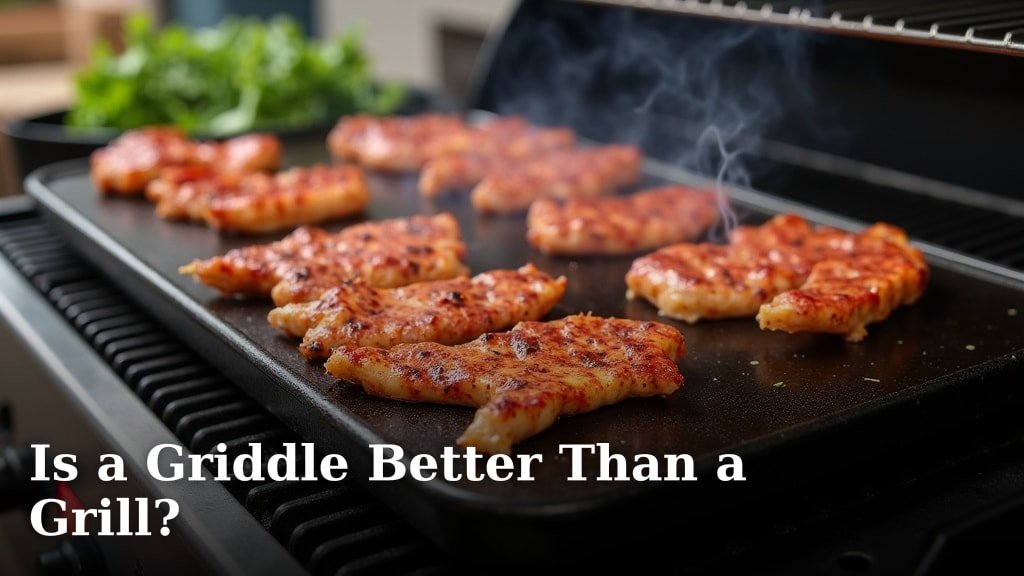
There’s no single winner in the great griddle vs. grill debate; what’s better depends on what you like to cook and your outdoor space. While grills offer that classic smoky flavor and char, griddles provide more cooking versatility and consistent heat for a wider range of dishes.
You might be wondering if a griddle can replace your traditional grill. Or maybe you’re curious about the best way to cook breakfast outdoors. We found that each cooking surface excels in different areas, making your choice depend on your culinary goals and needs.
- Grills are great for searing and smoky flavors.
- Griddles offer even heat and handle smaller foods better.
- Consider what types of meals you’ll cook most often.
- Think about your budget and available outdoor space.
- Many people find value in owning both for different occasions.
Let’s dive into the delicious details and help you decide which cooking powerhouse is right for your backyard.
Griddle vs. Grill: Which Cooking Surface Reigns Supreme?
Deciding between a griddle and a grill often boils down to your cooking style and what flavors you crave. Each offers distinct advantages for your outdoor kitchen adventures. Let’s break down the differences so you can make an informed choice.
The Allure of the Grill: Sizzle, Smoke, and Searing
Ah, the grill! It’s synonymous with backyard cookouts and summer fun. When you think of outdoor cooking, a grill probably comes to mind first. Grills use direct flame or radiant heat to cook food.
Unmistakable Flavor and Texture
One of the biggest draws of grilling is that classic smoky flavor. Drippings from your food hit the hot coals or grates, vaporize, and infuse back into your meal. This creates a taste that’s hard to replicate.
You also get those beautiful sear marks and crispy edges. The high heat creates a Maillard reaction, developing complex flavors and textures on the food’s surface. Think perfectly seared steaks and char-grilled vegetables.
Ideal Foods for Grilling
Grills excel with foods that benefit from direct heat and a little char. We found them perfect for:
- Steaks and Chops: Achieving that perfect medium-rare with a crusty exterior.
- Burgers and Sausages: Classic cookout staples that taste best grilled.
- Chicken and Fish Fillets: Especially when you want some smoky notes.
- Hearty Vegetables: Corn on the cob, bell peppers, zucchini, and onions all shine on the grill.
Considerations for Grill Owners
While grilling is fantastic, there are a few things to keep in mind. You’ll often deal with flare-ups from dripping fat, which can sometimes burn your food if you’re not careful. Also, the open-flame nature means less even heat distribution compared to a griddle.
Small or delicate foods can also be tricky. Ever tried grilling asparagus only to have some pieces fall through the grates? It happens! Cleanup can also be a bit more involved, especially if you have sticky marinades or burnt-on bits (USDA).
The Versatility of the Griddle: Flat-Top Feasts
A griddle, on the other hand, provides a completely flat, solid cooking surface. Think of it like a giant, outdoor frying pan. This design opens up a world of culinary possibilities that a traditional grill simply can’t offer.
Even Heat and Consistent Cooking
The main advantage of a griddle is its uniform heat distribution. The solid surface heats up evenly across the entire plate, giving you predictable cooking results every time. This means fewer hot spots and perfectly cooked food from edge to edge.
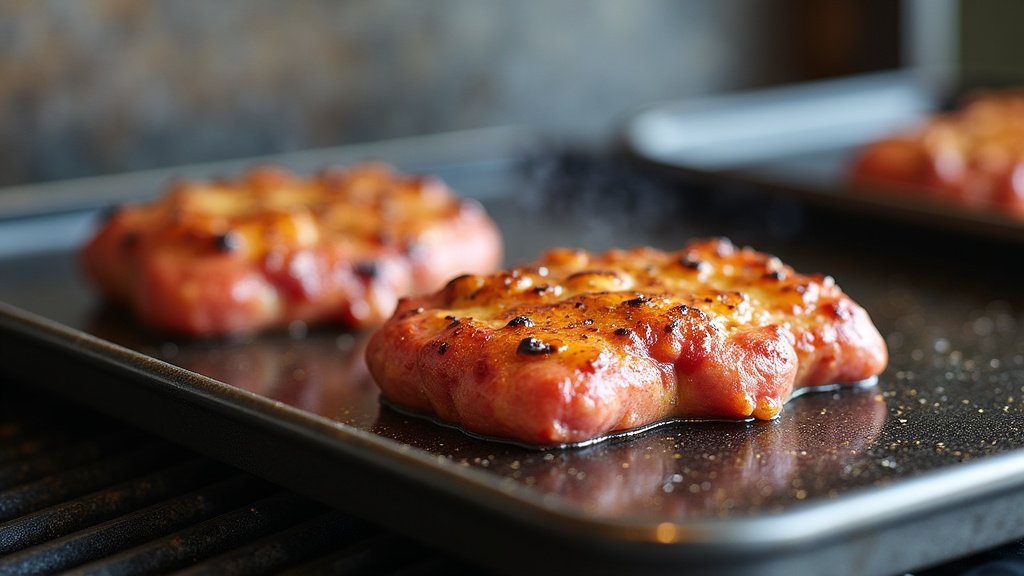
Because it’s a solid surface, a griddle also acts like a giant pan. You can cook with oils, butter, or even sauces directly on the surface without it dripping away. This creates delicious crusts and keeps food moist.
Foods That Love the Griddle
Griddles truly shine with a broader range of foods, especially those that need continuous contact with a hot surface. We found them ideal for:
- Breakfast Items: Pancakes, eggs, bacon, and hash browns cook beautifully.
- Smash Burgers and Philly Cheesesteaks: Get that incredible crust and melty cheese.
- Stir-Fries and Fajitas: The flat surface is perfect for sautéing ingredients together.
- Smaller Vegetables: Diced onions, mushrooms, or even rice can be cooked without falling through.
- Delicate Foods: Fish fillets, shrimp, and even grilled cheese sandwiches are easy to manage.
Griddle Benefits You’ll Appreciate
Beyond versatility, griddles offer other perks. You’ll experience minimal flare-ups because fat drains into a grease trap, not onto an open flame. This makes for safer cooking and less burnt food. Cleanup is often simpler too; a quick scrape and wipe are usually all it takes.
Plus, you can cook multiple different items at once, sometimes even using different temperature zones on the same griddle. Imagine making pancakes, bacon, and eggs all at the same time!
Comparing Griddle and Grill: A Head-to-Head Cook-Off
Let’s put them side-by-side to help you visualize their strengths and weaknesses. Understanding these differences will guide you to your perfect outdoor cooking companion.
| Feature | Grill | Griddle |
|---|---|---|
| Cooking Surface | Open grates | Flat, solid plate |
| Flavor Profile | Smoky, char-grilled | Seared, caramelized, moist |
| Heat Distribution | Direct, often uneven | Uniform, consistent |
| Foods Best Suited | Steaks, burgers, large veggies | Breakfast, smash burgers, stir-fries, delicate foods |
| Cleanup Effort | Can be challenging (burnt-on bits) | Generally easier (scrape and wipe) |
| Flare-ups | Common | Rare or non-existent |
| Oil/Liquid Use | Limited (drips through) | Excellent (retains liquids) |
Flavor: The Great Divide
This is where the debate often gets passionate. Do you prefer that distinct smoky, charred flavor that only a grill can provide? Or do you lean towards the crispy, caramelized, and often moister results you get from a griddle?
Neither is “better” in an absolute sense; it’s purely a matter of personal preference. Many home cooks we talked to express a love for both. Think about what kind of taste profile makes your mouth water the most.
Versatility: More Than Just Burgers
When it comes to versatility, the griddle often wins. Its flat surface allows you to cook a much wider variety of foods, from delicate pancakes to hearty stir-fries. A grill, while fantastic for its niche, is more limited in the types of dishes it can handle (American Academy of Nutrition and Dietetics).
If you enjoy cooking breakfast outdoors, making fajitas, or preparing smaller, diced ingredients, a griddle will be your best friend. If your outdoor cooking primarily consists of classic BBQ items, a grill will serve you well.
Deciding What’s Right for Your Outdoor Kitchen
You’re probably starting to get a sense of which option aligns with your cooking goals. Now, let’s refine that choice with a few practical considerations. What’s your outdoor cooking dream?
Consider Your Cooking Style and Menu
Think about the meals you most often prepare or want to prepare outdoors. Are you a weekend warrior who loves grilling steaks and burgers for the family? Or do you envision elaborate breakfasts and diverse dinners on your patio?
If your menu is broad and includes many different types of cuisine, a griddle might offer more day-to-day utility. If you’re a purist for that grilled taste, stick with a grill.
Space, Budget, and Maintenance
These practical aspects can also influence your decision. Do you have ample space for a dedicated unit, or are you looking for something more compact? Grills and griddles come in various sizes, from portable options to large, built-in units.
Your budget will also play a role. Prices vary widely for both. Finally, consider maintenance. Griddles usually require seasoning and regular oiling to maintain their surface, while grills need regular grate cleaning and ash removal (if charcoal).
Why Not Both? The Best of Both Worlds
Many outdoor cooking enthusiasts eventually realize that owning both a griddle and a grill offers the ultimate flexibility. Imagine grilling up some chicken breasts while simultaneously sautéing onions and peppers on a griddle for fajitas. Pure bliss!
If space and budget allow, having both gives you the freedom to choose the perfect cooking method for any dish. You don’t have to compromise on flavor or versatility.
Your Griddle/Grill Checklist
To help you solidify your decision, ask yourself these questions:
- Do I prioritize smoky flavor and char marks?
- Will I cook breakfast foods or delicate items often?
- How important is even heat distribution to me?
- Am I looking for easier cleanup after cooking?
- What types of foods make up most of my outdoor meals?
- Does my outdoor space accommodate one or both?
Conclusion
When it comes to outdoor cooking, the choice between a griddle and a grill isn’t about one being inherently better. It’s about what best fits your cooking habits and preferences. We found that grills deliver that unmistakable smoky char, perfect for steaks and burgers. Griddles, on the other hand, offer incredible versatility and consistent heat for everything from breakfast to delicate seafood.
Ultimately, your decision comes down to the flavors you chase and the dishes you love to prepare. Consider what fills your outdoor menu most often. Many cooks find that owning both offers the ultimate freedom, letting you enjoy the best of both worlds. Now, go fire up your preferred cooking surface and enjoy some delicious outdoor meals!
Frequently Asked Questions
Can I get smoky flavor on a griddle?
While a griddle won’t impart the same direct smoky flavor as a grill, you can achieve some smoky notes. Try using a smoker box or liquid smoke in your recipes. You can also char some ingredients separately on a grill before adding them to the griddle.
Is one easier to clean than the other?
In general, griddles are often considered easier to clean. A quick scrape and wipe after cooking usually suffices. Grills can be more challenging due to burnt-on bits on grates and ash (if charcoal), requiring more scrubbing and maintenance.
Can I cook delicate fish on a grill?
You can cook delicate fish on a grill, but it requires careful technique. Use a fish basket or foil packets to prevent sticking and breaking. A griddle provides a solid surface, making it much easier to handle flaky fish without it falling apart.
Do griddles take up more space than grills?
Both griddles and grills come in various sizes, from portable tabletop units to large built-in stations. Neither inherently takes up more space than the other. You can find compact versions of both to fit smaller patios or balconies.
Which is better for entertaining large groups?
This depends on your menu. If you’re primarily serving classic BBQ items, a large grill is excellent. However, a large griddle offers immense cooking capacity for diverse foods like pancakes, smash burgers, or fajitas, allowing you to cook many different items simultaneously for a crowd.
