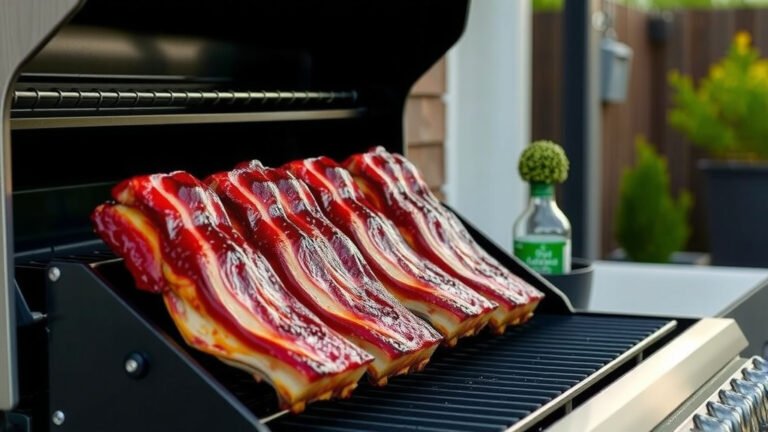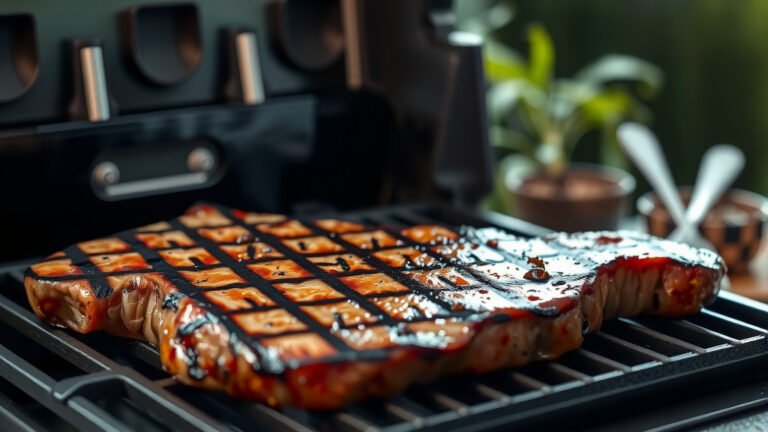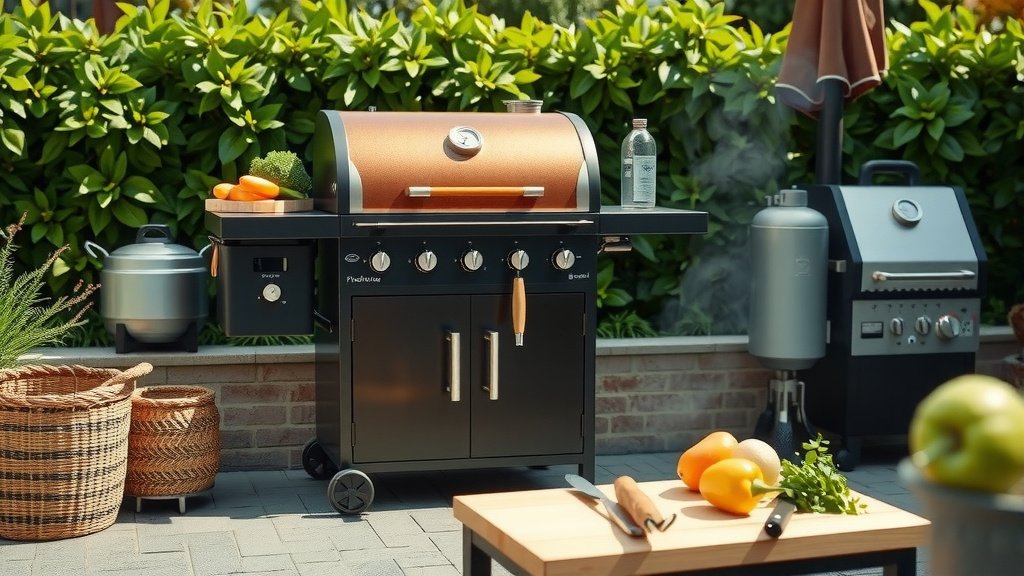
Working a smoker grill involves a few key steps: **preparing your smoker and meat**, maintaining a consistent low temperature, and adding the right amount of wood for smoke. It is a process that focuses on low and slow cooking for tender, flavorful results.
You can achieve amazing smoked foods by understanding your smoker’s heat source, controlling airflow with vents, and using a reliable thermometer to monitor both the chamber and the meat’s internal temperature.
- Get your smoker ready by cleaning it and adding water to the pan.
- Prepare your meat with rubs or marinades the night before.
- Start your fuel (charcoal, wood) and bring the smoker to a steady temperature (225-275°F).
- Add wood chunks for smoke flavor, then place your meat inside.
- Monitor the temperature closely and **resist opening the lid** too often.
- Finish by resting your meat for juicy, tender results.
How To Work A Smoker Grill?
To work a smoker grill effectively, you need to master **temperature management and smoke control**. This means understanding how your specific smoker functions and how fuel, airflow, and wood interact.
The Magic of Low and Slow
Smoking isn’t like grilling; it’s an art of patience. You’re not looking for high heat, but a consistent, gentle warmth. This allows connective tissues in meat to break down slowly, making it incredibly tender. Many experts say that **temperatures between 225°F and 275°F** are ideal (USDA).
Understanding Your Smoker Type
Smoker grills come in various forms, each with unique operational quirks. You might have a **vertical water smoker**, an offset smoker, or a pellet grill. Knowing your model helps you anticipate its heating patterns. For instance, offset smokers require more frequent fuel additions.
Fueling Your Fire Wisely
Your fuel choice impacts flavor and temperature stability. Charcoal briquettes offer consistent heat, while lump charcoal burns hotter and faster. Wood chunks are generally added for smoke flavor, not primary heat. We found that **using a charcoal chimney** is the easiest way to start your coals without lighter fluid.
Prepping Your Smoker Grill
Before any cook, ensure your smoker is clean. A seasoned smoker performs better and tastes cleaner. If your smoker has a water pan, fill it with warm water or apple juice. This helps **stabilize temperatures and adds moisture** to the cooking chamber.
Preparing Your Meat for Smoking
Pat your meat dry and apply your chosen rub or marinade. For larger cuts, an overnight rest in the fridge after seasoning helps the flavors sink in. Research often connects **proper meat preparation** with better bark formation (Meat Science Institute).
Getting the Fire Started Right
Begin by lighting your charcoal in a chimney starter. Once the coals are ash-covered, carefully transfer them to your smoker’s firebox. Arrange them to create an even heat source. This initial setup is **key to steady temperatures** later on.
Reaching and Maintaining Temperature
After adding your coals, close the lid and adjust the vents. The bottom vent controls oxygen flow to the fire, while the top vent lets smoke and heat escape. Small adjustments here make a big difference. We found that **slow and gradual vent changes** prevent drastic temperature swings.
Adding the Smoke Element
Once your smoker reaches the target temperature, add your wood chunks directly to the hot coals. Different woods impart different flavors. Many experts suggest **hickory for pork**, oak for beef, and fruit woods for poultry. You only need a few chunks at a time for optimal smoke.
Here’s a quick guide to wood pairings:
| Wood Type | Flavor Profile | Best For |
|---|---|---|
| Hickory | Strong, bacon-like | Pork, Beef, Ribs |
| Oak | Medium, robust | Beef, Brisket |
| Apple | Mild, fruity | Pork, Poultry, Fish |
| Cherry | Sweet, subtle | Chicken, Duck |
The Importance of a Good Thermometer
Don’t rely on your smoker’s built-in thermometer; they can be inaccurate. Invest in a **reliable digital probe thermometer** with a remote display. This lets you monitor both the smoker’s ambient temperature and the meat’s internal temperature without opening the lid. Opening the lid lets out heat and smoke, making your cook time longer.
Reading the Smoke
The color of your smoke tells a story. Thin, blue smoke is what you want—it indicates a clean burn and good flavor. Thick, white smoke means incomplete combustion and can impart a bitter taste. If you see white smoke, **check your airflow** or fuel.
Patience is a Virtue (and Delicious)
Smoking takes time, often many hours for larger cuts. Resist the urge to constantly check your food. Each time you open the lid, you lose valuable heat and lengthen the cooking process. Trust your thermometers and **let the smoker do its work**. We often say, “If you’re looking, it ain’t cooking.”
The Stall: What It Is and How to Handle It
Around 150-170°F internal temperature, meat often “stalls,” where its temperature stops rising. This is due to evaporative cooling. Don’t panic! It’s normal. You can **wrap your meat in butcher paper** or foil (the “Texas Crutch”) to push through it, or simply wait it out. Some purists prefer to let it stall naturally.
Finishing Strong: The Rest
Once your meat reaches its target internal temperature (e.g., 203°F for pulled pork), remove it from the smoker. Tent it loosely with foil and let it rest for at least an hour, sometimes longer for large cuts. This allows the **juices to redistribute**, resulting in incredibly tender and moist meat (Cook’s Illustrated).
Post-Cook Smoker Maintenance
After your smoker cools, clean out the ash and scrape any major grease buildup. This keeps your smoker performing well and prevents rancid smells from affecting future cooks. We found that **regular cleaning prevents major issues** down the road.
Your Smoker Grill Checklist:
- A reliable digital thermometer (probe for meat, ambient for smoker).
- Plenty of your chosen fuel (charcoal, wood chunks).
- A clean water pan, if applicable.
- Tongs for fuel and meat.
- Heat-resistant gloves.
- A spray bottle (for spritzing meat, if desired).
Conclusion
Working a smoker grill is a rewarding journey into flavor and patience. By focusing on temperature consistency, proper smoke generation, and trusting your tools, you can consistently produce delicious, tender smoked meats. Remember, every cook is a learning experience, so **embrace the process** and enjoy the results!
What is the ideal temperature range for smoking meat?
The ideal temperature range for smoking meat is generally between 225°F and 275°F. This lower temperature allows for slow cooking, breaking down tough fibers and rendering fat, which results in tender and juicy meat with excellent smoke penetration.
How do I control the temperature on my smoker grill?
You control the temperature on your smoker grill primarily by adjusting the intake (bottom) and exhaust (top) vents. The intake vent regulates the oxygen supply to your fuel, while the exhaust vent allows heat and smoke to escape. Smaller vent openings reduce heat, larger openings increase it.
How much wood should I use for smoking?
For most cooks, a few chunks of wood are sufficient. You want a thin, blue smoke, not thick, white smoke. Start with 2-3 golf-ball-sized chunks for a several-hour cook, adding more as needed. Too much wood can lead to an acrid, overpowering flavor.
Why does my meat’s temperature stop rising during smoking?
This phenomenon is known as “the stall.” It occurs when moisture evaporating from the surface of the meat cools it down, preventing its internal temperature from rising. It’s a natural part of the smoking process and will eventually pass as the meat dries out further.
Do I need to put water in my smoker’s water pan?
Yes, if your smoker has a water pan, filling it with water (or even apple juice/vinegar for flavor) is highly recommended. The water helps stabilize the smoker’s temperature, prevents sudden spikes, and adds humidity to the cooking chamber, which keeps the meat moist and can enhance smoke ring formation.