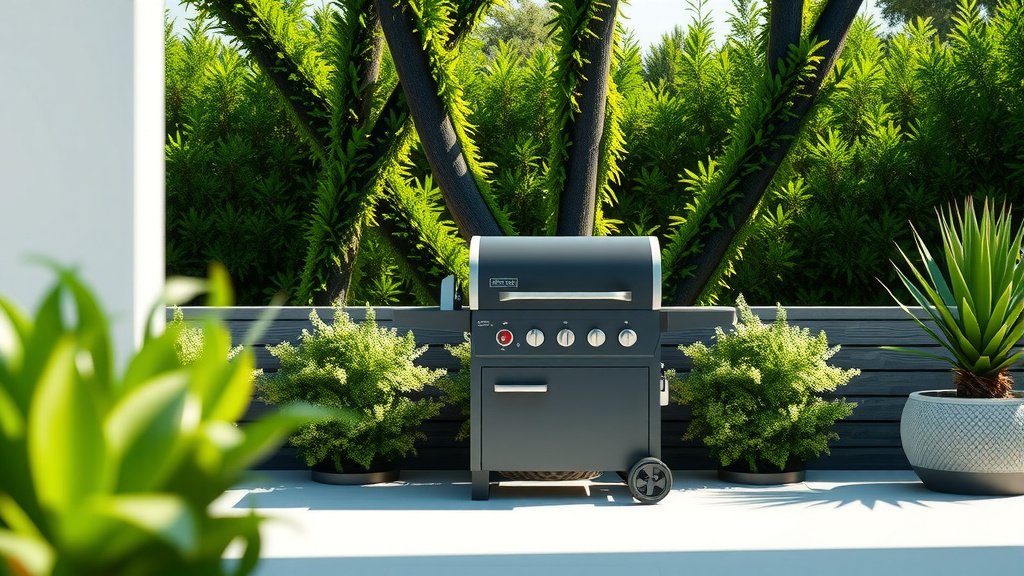
To use a wood pellet grill, you simply fill the hopper with food-grade wood pellets, set your desired temperature on the digital controller, and let the grill automatically feed pellets to maintain a consistent heat.
This automated process allows you to smoke, grill, roast, and even bake with minimal effort, making it easier than ever to achieve delicious, wood-fired flavors.
- A wood pellet grill uses an auger to feed pellets into a burn pot, creating consistent heat and smoke.
- Setting your temperature is simple with a digital controller, just like an oven.
- Always use food-grade wood pellets for the best flavor and grill health.
- Regular cleaning of the ash pot and grease tray extends your grill’s life.
- Pellet grills excel at both low-and-slow smoking and higher-heat grilling.
How To Use A Wood Pellet Grill?
Using a wood pellet grill involves a few simple steps to get started, then enjoying consistent cooking. You’ll quickly find it’s a game-changer for backyard cooking.
Why Choose a Pellet Grill?
Many people find pellet grills strike a perfect balance between the smoky flavor of charcoal and the convenience of gas. You get that authentic wood-fired taste without needing to constantly manage a fire.
It’s like having a personal pitmaster that handles the heat for you. This means more time relaxing with friends and family, and less time fussing over vents and fuel.
The Pellet Grill Difference
Think of a pellet grill as an outdoor convection oven that burns wood. An internal auger moves small wood pellets from a hopper to a burn pot. A fan then circulates the heat and smoke, cooking your food evenly.
This design gives you precise temperature control, which is tough to match with traditional charcoal or gas grills. We found this precision helps prevent burnt edges and undercooked centers.
Getting Started: Your First Cook
Ready to fire up your new grill? There are a couple of quick steps to take before you place your first steak or brisket on the grates. Think of it as a warm-up for a great cooking journey.
Assembling Your Grill
Most pellet grills arrive needing some assembly. Follow the manufacturer’s instructions carefully. This usually involves attaching legs, handles, and internal components. It’s like putting together a large LEGO set for adults.
Make sure all connections are secure. A stable grill is a safe grill. We found that taking your time here makes future use much smoother.
The Initial Burn-In
Before cooking, you must perform an initial burn-in. This cleans out any manufacturing oils or dust from the grill’s internal parts. Imagine buying a new frying pan; you’d wash it first, right?
Fill the hopper with pellets, then run the grill at a high temperature (often 350-400°F) for about 45 minutes to an hour. You will see some smoke and smell a bit of a factory scent. This is normal. After this, your grill is seasoned and ready.
Fueling Your Fire: Wood Pellets
The heart of your pellet grill is its fuel: wood pellets. These aren’t just any wood pellets; they’re made specifically for cooking. They burn cleanly and infuse your food with fantastic flavor.
Choosing the right pellet type is like picking the perfect spice for a dish. It makes all the difference.
Understanding Pellet Types
Wood pellets come in various wood types, each offering distinct flavor profiles. Applewood adds a mild, fruity smoke, while mesquite provides a strong, earthy flavor. Cherry wood offers a sweet, delicate touch.
Many experts say to match your pellet choice to your food. For instance, oak or hickory often pair well with beef, and apple or pecan is great for pork or poultry (USDA).
Storing Your Pellets
Pellets are essentially compressed sawdust; they don’t like moisture. Store them in an airtight container in a dry place. Exposure to humidity can make them swell, break apart, and cause issues for your grill’s auger system.
Think of them like sponges. Once wet, they lose their ability to burn correctly. Dry storage keeps your grill running smoothly.
Temperature Control is Key
One of the biggest advantages of a pellet grill is its ability to hold a set temperature. This frees you from constant monitoring, letting you enjoy the process.
Your grill does the heavy lifting, maintaining the heat while you prepare other things. It’s truly a ‘set it and forget it’ experience for many cooks.
Setting the Desired Temperature
To set the temperature, simply turn the dial or press the buttons on your digital controller to your target heat. The grill’s internal thermostat and auger system will work together to reach and hold that temperature.
Give your grill about 10-15 minutes to preheat before adding your food. This ensures the grates are hot and the cooking chamber is at a stable temperature.
Monitoring Food Temperature
While the grill manages its own temperature, you’ll still want to monitor your food’s internal temperature. Many pellet grills come with built-in meat probes. Use them!
Accurate food temperatures are key for safety and for achieving the perfect doneness. A good meat thermometer is your best friend in grilling.
Cooking Techniques on a Pellet Grill
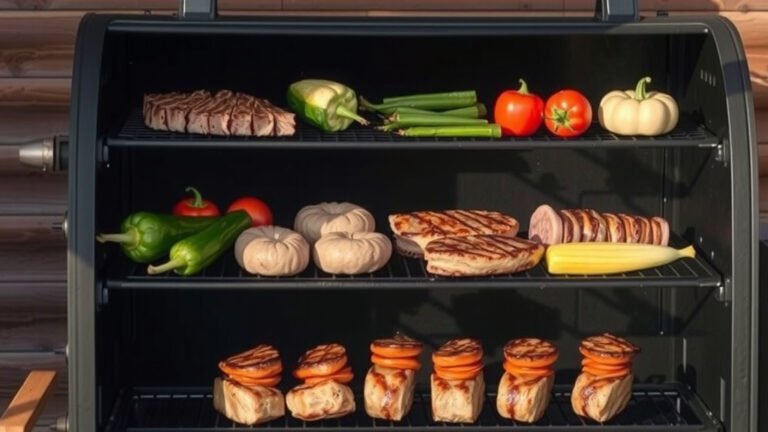
What can you cook on a pellet grill? Almost anything you can imagine! Its versatility is one of its most loved features. You can go from low-and-slow smoking to high-heat grilling with ease.
This flexibility means your pellet grill can replace several other outdoor cooking devices, simplifying your backyard setup.
Low and Slow Smoking
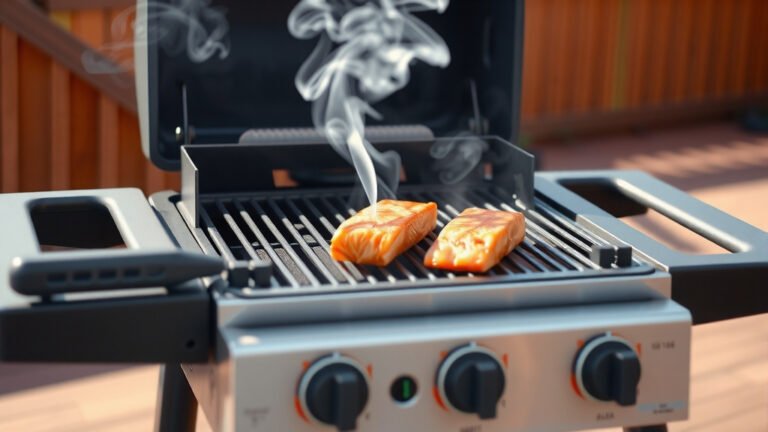
This is where pellet grills truly shine. Set your grill to a low temperature (often 180-250°F) for hours to cook larger cuts like briskets, pork shoulders, or ribs. The consistent smoke creates deep, flavorful results.
You’ll get that beautiful smoke ring and tender, fall-off-the-bone meat that’s hard to achieve with other methods. Patience is a virtue here.
High Heat Searing
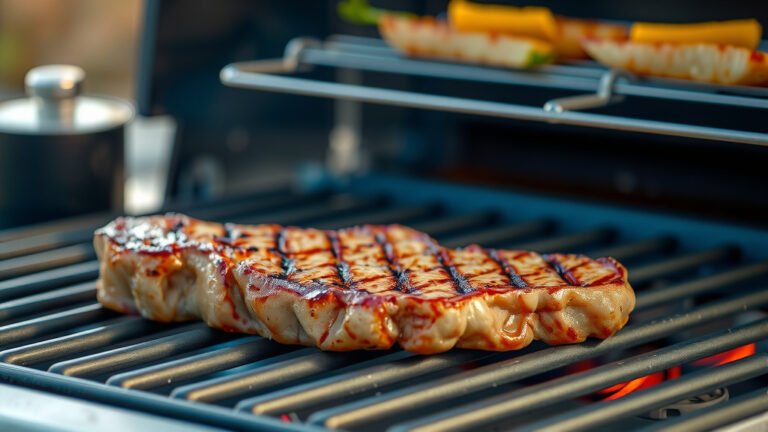
While great for smoking, many pellet grills can also reach temperatures high enough for grilling. Crank it up to 400-500°F (or higher if your model allows) for steaks, burgers, and chicken.
Some grills even have a direct flame mode for an extra sear. This helps create that delicious crust and grill marks we all love.
Baking and Roasting Versatility
Ever thought about baking a pie or roasting a chicken in your grill? A pellet grill acts like an outdoor oven. You can bake bread, cook casseroles, or roast vegetables with precise temperature control.
This versatility makes your pellet grill an all-season cooking station, not just for summer BBQ. Research shows many people even bake pizzas on them (AmazingRibs.com).
Maintaining Your Pellet Grill
Just like any appliance, your pellet grill needs a little care to keep it running at its best. Regular maintenance prevents issues and ensures your grill lasts for many years of delicious meals.
Think of it as a small investment of time that pays off in big flavors and reliable performance.
Regular Cleaning Habits
After every few cooks, empty the ash pot. Excess ash can block airflow and cause temperature fluctuations. Also, scrape down your grill grates to remove food residue.
Periodically, clean the grease tray and drip pan. Grease buildup is a fire hazard. We found that keeping these areas clean prevents flare-ups and keeps your food tasting fresh.
Troubleshooting Common Issues
Most pellet grill issues are simple to fix. If your grill won’t ignite, check the igniter rod and make sure pellets are feeding correctly. If it struggles to hold temperature, check for clean airflow and sufficient pellets.
Sometimes, a simple “reboot” by unplugging and re-plugging the grill can resolve minor electronic glitches. User manuals often provide good diagnostic steps.
| Pellet Type | Flavor Profile | Best For |
|---|---|---|
| Hickory | Strong, bacon-like | Beef, Pork, Game, Chicken |
| Apple | Mild, sweet, fruity | Pork, Poultry, Fish, Vegetables |
| Mesquite | Very strong, earthy | Beef, Lamb, Game |
| Cherry | Sweet, subtle, rosy tint | Pork, Poultry, Beef, Duck |
| Oak | Medium, distinct, balanced | Beef, Lamb, Pork, Poultry |
Pre-Cook Checklist for Success
- Check Pellet Levels: Ensure your hopper has enough pellets for the entire cook.
- Clean Ash Pot: Empty any accumulated ash before starting.
- Inspect Grill Grates: Scrape off old food residue for a clean cooking surface.
- Verify Power Connection: Make sure the grill is plugged in securely.
- Set Desired Temperature: Allow enough time for preheating.
- Prepare Food Probes: Have them ready for accurate internal temperature readings.
Conclusion
Using a wood pellet grill opens up a whole new world of outdoor cooking. From the consistent temperatures to the incredible wood-fired flavors, it’s a versatile tool for any backyard chef. With a bit of practice and basic maintenance, you’ll be creating memorable meals with ease. Enjoy the journey of delicious food and effortless grilling!
How do I properly clean my pellet grill after cooking?
After cooking, let your grill cool completely. Then, use a grill brush to clean the grates. Remove the internal components like the heat deflector and grease tray to scrape off any built-up grease and ash. Use a shop vac to remove ash from the burn pot and bottom of the grill. We found that cleaning helps maintain peak performance.
Can I use any type of wood pellets in my grill?
No, you should only use food-grade wood pellets specifically designed for pellet grills. Industrial or heating pellets may contain binders or chemicals that are unsafe for cooking and can harm your grill. Always read the packaging to ensure they are 100% natural hardwood for cooking.
What should I do if my pellet grill isn’t producing enough smoke?
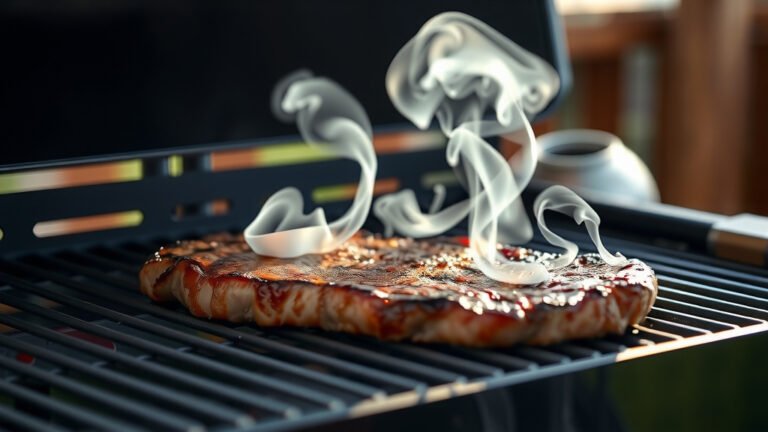
If your grill isn’t smoking much, it might be running too hot for dedicated smoke production. Try lowering the temperature to the “smoke” setting (often around 180-225°F) for about 30-45 minutes at the start of your cook. This allows the pellets to smolder more, creating more smoke. Using a smoke tube can also add extra smoke flavor.
How long do wood pellets last in the hopper?
The lifespan of pellets in your hopper varies greatly depending on the grill’s temperature setting, the ambient weather, and the grill’s size. On average, a pound of pellets can last about 30-60 minutes at low temperatures and less at higher heats. A full hopper can often get you through a long smoke, but always monitor your pellet levels during extended cooks.
Is it okay to leave pellets in the hopper between cooks?
It’s generally okay to leave pellets in the hopper for a short period, especially if you live in a dry climate. However, for longer storage or in humid conditions, it’s best to empty the hopper into an airtight container. This prevents the pellets from absorbing moisture, which can cause them to swell and create auger jams or poor burning performance when you next use the grill.