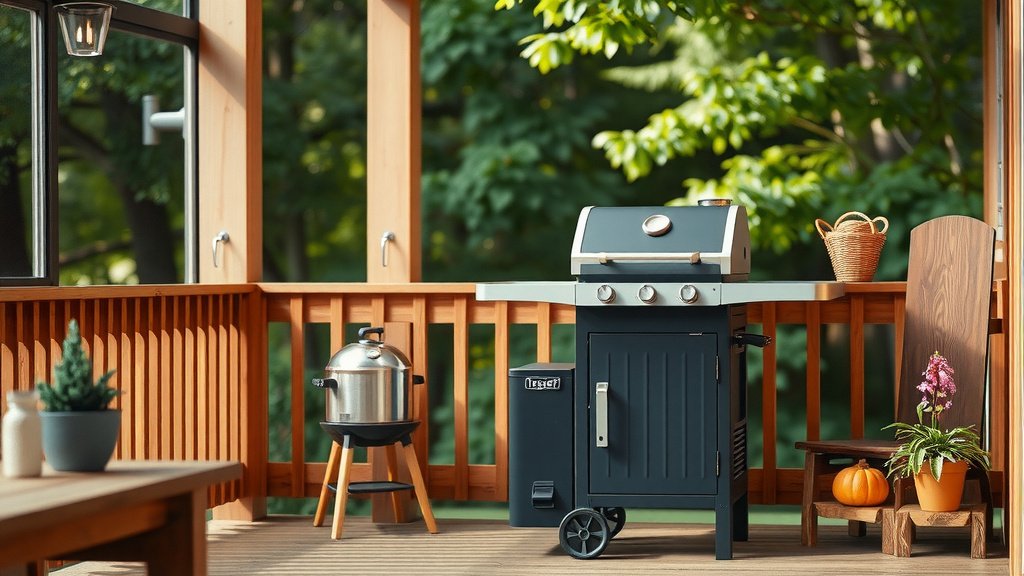
To start a Traeger pellet grill, first load your preferred wood pellets into the hopper, ensuring the grill is plugged in and the main power switch is on.
Then, turn the controller to the ‘Smoke’ setting and allow it to pre-ignite for about 5-10 minutes until you see a thin, wispy blue smoke appear.
- Load your pellets into the hopper, checking for any debris.
- Ensure the grill is plugged in and powered on at the main switch.
- Set the controller to ‘Smoke’ to begin ignition, then close the lid.
- Wait for clean, thin blue smoke to appear, signaling successful ignition.
- Adjust to your desired cooking temperature and let it preheat completely.
How To Start A Traeger Pellet Grill?
Starting a Traeger pellet grill is a straightforward process once you understand the steps. It really is about making sure all the components are ready to go, like preparing a car for a trip (many experts say).
You’ll soon be enjoying delicious smoked food with consistent heat and flavor. Let’s get you cooking like a pro!
Getting Your Traeger Ready: The Initial Setup
Before you even think about lighting that fire, you need to ensure your grill is in the right condition. Is the drip tray clean? Is the grill grate ready? A little prep goes a long way.
We found that a quick check of your grill’s interior helps prevent common startup issues. Think of it as a brief pre-flight check before takeoff.
Checking Your Grill’s Components
Take a moment to inspect the firepot for ash buildup. Too much ash can block the hot rod, making ignition tough (grill maintenance guides recommend this).
Ensure the heat baffle and drip tray are correctly positioned. This ensures even heat and protects the internal components from direct flame.
Filling the Hopper: Your Fuel Source
The heart of your Traeger is its pellets. You need to make sure the hopper has enough pellets to get started and sustain your cook.
Always use high-quality wood pellets specifically designed for pellet grills. Cheap or old pellets can cause inconsistent burns and startup failures (research indicates).
Choosing the Right Pellets
The type of pellet affects the flavor of your food. Applewood for poultry, hickory for beef, and mesquite for bold tastes are popular choices.
We found that keeping your pellets dry is extremely important. Store them in an airtight container to prevent moisture absorption, which can ruin them.
Powering Up Your Traeger
With pellets loaded, it’s time to give your grill some juice. Plug your Traeger into a grounded outdoor outlet. Avoid using extension cords unless they are heavy-duty and rated for outdoor use.
Next, locate the main power switch, usually on the back or side of the hopper, and flip it to the ‘On’ position. You should see the controller light up.
The “Smoke” Setting Explained
This is where the magic begins. Turn the control dial to the ‘Smoke’ setting. You might hear the fan start whirring and the auger motor turning softly.
The ‘Smoke’ setting feeds a small amount of pellets to the firepot, while the hot rod heats up to ignite them. This creates that desirable initial smoke, perfect for flavor.
Understanding the Ignition Cycle
During the ‘Smoke’ cycle, the igniter rod glows red-hot to ignite the pellets. This process usually takes about 5-10 minutes.
Keep the grill lid open during this initial ‘Smoke’ phase. This allows excess heat and potential initial dark smoke to escape, preventing a buildup that could affect ignition (many grillers advise this).
Waiting for the “Clean Smoke”
After a few minutes, you’ll start to see smoke. Initially, it might be thick and white, but you are waiting for a thin, wispy blue smoke.
Once you see that clean blue smoke, it means your pellets have successfully ignited. Now you can close the lid and move to the next step: preheating.
Preheating for Success
Just like an oven, a Traeger needs to preheat to your desired temperature. After successful ignition, turn the dial to your target cooking temperature.
Close the lid and allow the grill to come up to temperature. This can take anywhere from 10 to 20 minutes, depending on the temperature setting and outside conditions.
Many experts say using a reliable meat thermometer is key, but for grill temps, the built-in thermometer is usually good enough (manufacturers suggest).
What If It Doesn’t Start? Troubleshooting Your Traeger
Even with careful steps, sometimes your Traeger might decide to be stubborn. Don’t worry, there are common reasons and simple solutions.
Most issues stem from pellet flow, igniter problems, or ash buildup. A little detective work usually solves the problem quickly.
Common Troubleshooting Steps
If your grill fails to ignite, first check the basics. Is it plugged in? Is the power switch on? Sometimes the simplest things are overlooked.
Then, look for fault codes on the controller screen. These codes often give a direct clue to the problem (Traeger manuals explain these).
Addressing Ignition Issues
If you don’t hear the fan or auger, check the fuse on the control panel. A blown fuse might be the culprit. Replace it if needed.
If the igniter rod isn’t glowing, it might be faulty or covered in ash. Ensure it’s clean and making proper contact with the pellets.
Pellet Flow Problems
Is the auger turning but no pellets are dropping? Your hopper might be empty, or pellets could be jammed. Break up any clumps with your hand.
Sometimes, the auger tube itself gets blocked. You may need to clear out old pellets or sawdust that has solidified.
Essential Startup Checklist
Keep this quick checklist handy for every cook:
- Check power connection and main switch.
- Ensure hopper has enough pellets.
- Clear firepot of excess ash.
- Verify igniter rod is clean and visible.
- Set to ‘Smoke’ with the lid open.
- Wait for thin blue smoke before closing lid.
Maintaining Your Traeger for Easy Starts
Regular maintenance ensures your Traeger starts reliably every time. It saves you frustration and makes your grilling experience much smoother.
Think of it like taking care of your car; small preventative steps stop big problems (many appliance experts agree).
Cleaning for Performance
After every few cooks, vacuum out the firepot and around the igniter. Ash buildup is the number one enemy of a smooth startup.
Wipe down the temperature probe inside the grill. A dirty probe can give inaccurate temperature readings, affecting your cook (research confirms).
Pellet Storage Tips
Never leave pellets in the hopper for extended periods, especially in humid conditions. Moisture can cause them to swell and jam the auger.
When you’re done cooking, consider emptying the hopper into an airtight container. This keeps your pellets fresh and ready for the next delicious meal.
Conclusion
Starting your Traeger pellet grill is a simple dance of checking power, loading pellets, and setting the ‘Smoke’ mode. Once you master these basic steps, you’ll find that getting great smoked food is incredibly easy.
Remember those little checks – a clean firepot, dry pellets, and patience during the ignition. You’ve got this! Happy grilling, and enjoy that fantastic Traeger flavor.
How long does it take for a Traeger to get to temp?
Typically, a Traeger pellet grill takes about 10-20 minutes to reach your desired cooking temperature after the initial ‘Smoke’ cycle. Factors like outside temperature and the target temperature can influence this timeframe.
Why is my Traeger showing a LEr code?
A “LEr” code (Low Error) on a Traeger usually indicates that the grill’s temperature has dropped below a set threshold or failed to ignite properly. This often points to issues with the igniter, pellet flow, or too much ash in the firepot.
Can I use any wood pellets in my Traeger?
While some people use other brands, Traeger recommends using their brand of hardwood pellets for optimal performance and flavor. Using different brands might void your warranty or lead to inconsistent results due to varying pellet size and density (many manufacturers state this).
Should I keep the lid open when starting a Traeger?
Yes, you should keep the lid open during the initial ‘Smoke’ cycle (5-10 minutes) until you see thin, wispy blue smoke. This allows the igniter to work effectively and prevents excess smoke from accumulating inside the grill, which could lead to an overpowering flavor or a “smoke explosion.”
How often should I clean out the ash from my Traeger?
For optimal performance and reliable starts, we found that you should clean out the firepot and vacuum up ash after every 2-3 cooks, or after about 20 hours of use. Excess ash can smother the igniter and hinder proper pellet combustion.