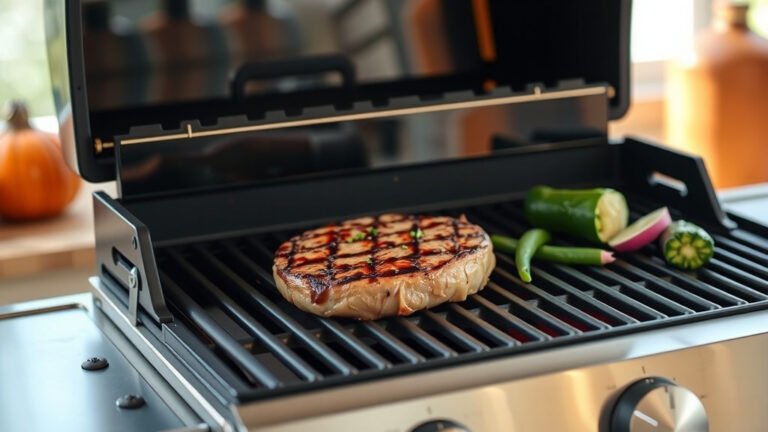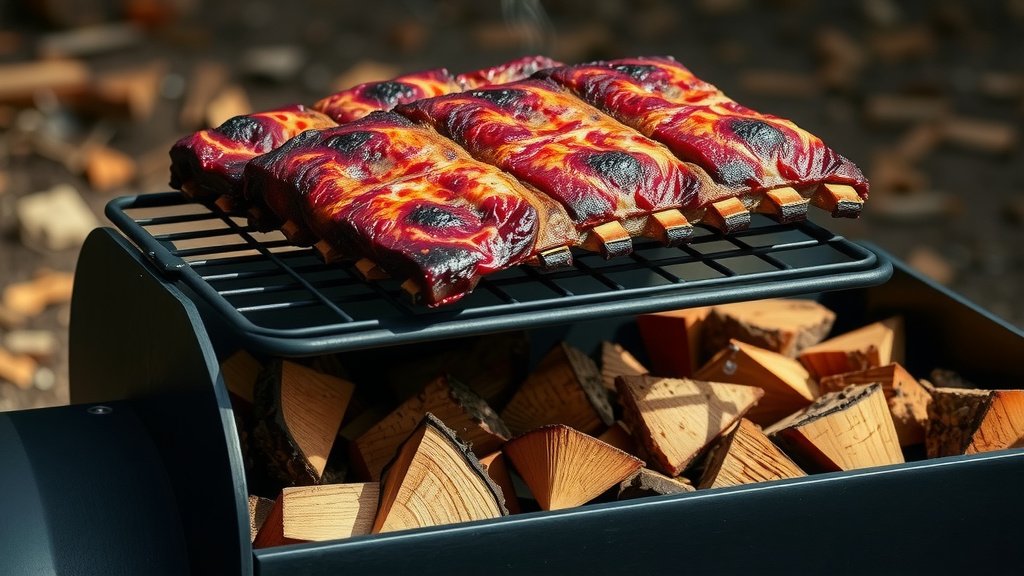
Smoking ribs on a charcoal smoker grill requires maintaining a steady low temperature, typically between 225-275°F (107-135°C), using indirect heat, and adding wood chunks for a rich smoky flavor. You will prepare your ribs with a rub, place them in the smoker, and allow them to cook slowly until they reach perfect tenderness.
Achieving delicious, fall-off-the-bone ribs involves careful setup of your charcoal smoker, consistent temperature management, and choosing the right wood for that signature smoke ring and flavor.
Here’s a quick overview of how to smoke ribs on a charcoal smoker grill:
- Begin by selecting quality ribs and prepping them, which includes removing the membrane.
- Apply your favorite dry rub generously to all surfaces of the ribs.
- Set up your charcoal smoker for indirect heat and aim for a stable temperature between 225-275°F.
- Add wood chunks to your coals to create aromatic smoke.
- Smoke the ribs for several hours, monitoring temperature and tenderness, perhaps using a wrap method midway.
- Rest the ribs briefly after smoking to allow juices to redistribute before slicing and serving.
How To Smoke Ribs On A Charcoal Smoker Grill?
Smoking ribs on a charcoal smoker grill is a rewarding experience, giving you incredibly flavorful and tender meat. It’s all about controlling heat and infusing that wonderful smoky taste into every bite.
You can certainly master this process with a bit of patience and the right setup. We’ll guide you through each step to ensure your ribs are a hit every time.
Getting Started: Your Ribs
Before you even think about lighting charcoal, selecting and preparing your ribs is a crucial first step. Quality ingredients make a huge difference in the final product.
Think of it as laying the groundwork for a delicious meal. What kind of ribs do you prefer? Let’s consider your options.
Choosing the Right Ribs
When you’re at the butcher, you’ll find a few types of pork ribs. Each has unique characteristics that affect cooking time and texture.
Many experts say St. Louis style ribs are a top choice for smoking because of their uniform shape and good meat-to-bone ratio (USDA). Baby back ribs are also popular and often cook faster.
| Rib Type | Characteristics | Smoking Time (Approx.) |
|---|---|---|
| Baby Back Ribs | Leaner, curved, shorter bones. From near the loin. | 3-5 hours |
| St. Louis Style Ribs | Flatter, meatier, with trimmed belly. From spareribs. | 5-7 hours |
| Spareribs | Larger, tougher, more fat and cartilage. Full slab. | 6-8 hours |
Prepping Your Ribs for Perfection
Once you have your ribs, a little prep goes a long way. The most important step is removing the thin membrane from the bone side.
Why do this? This membrane gets tough and chewy when cooked, preventing your rub from penetrating the meat effectively. It’s a small effort with a big payoff.
- Flip the slab bone-side up.
- Slide a butter knife under the membrane on one end.
- Grip the membrane with a paper towel and pull firmly to remove it.
- If it tears, just repeat the process until it’s all gone.
- Pat the ribs dry with paper towels.
After membrane removal, it’s time for the rub. Apply your favorite dry rub generously on all sides, pressing it gently into the meat. Give it at least 30 minutes to an hour to set, or even overnight in the fridge for deeper flavor.
Fueling Your Smoker: Charcoal and Wood
The heart of a charcoal smoker is, of course, the charcoal. But for true smoky flavor, you need wood. Let’s look at your options.
The combination of these two elements creates the consistent heat and rich smoke necessary for amazing ribs.
Selecting Your Charcoal
For smoking, you want lump charcoal or good quality briquettes. Lump charcoal burns hotter and cleaner, offering a natural woody aroma.
Briquettes offer a more consistent burn time and shape, which can be helpful for beginners. Just avoid “instant light” briquettes, as they contain chemicals that can affect flavor.
The Magic of Wood Chunks
This is where your ribs get their unique smoky profile. Wood chunks, not chips, are what you need for a long smoke. Chips burn too fast.
Different woods impart different flavors. Apple and cherry woods give a mild, fruity smoke, while hickory or oak provide a stronger, more classic BBQ flavor (Grill Master University). We found that a mix often works best.
Setting Up Your Charcoal Smoker for Success
A properly set-up smoker is the key to consistent temperatures and even cooking. This isn’t just about throwing charcoal in; it’s a science.
You’ll be creating a two-zone fire to ensure indirect heat, which is vital for low-and-slow smoking.
Mastering Temperature Control
For ribs, the ideal temperature range is 225-275°F (107-135°C). Consistency is everything. Use a reliable thermometer, either built-in or an external probe, to monitor the grill grate temperature.
Many experts suggest using the “Minion Method” for charcoal placement. This involves piling unlit charcoal with a few lit briquettes on top. It allows for a long, slow burn without adding new fuel too often.
Creating Indirect Heat
You never want your ribs directly over the coals. Direct heat will burn them before they get tender. Set up your smoker for indirect cooking.
This means placing the lit charcoal and wood chunks on one side of the smoker, and your ribs on the other. This ensures they cook gently with smoke surrounding them, rather than searing.
The Smoking Process: Low and Slow
Now, the real fun begins. Put those prepped ribs onto your smoker, bone-side down, over the indirect heat zone. Close the lid and let the magic happen.
Resist the urge to open the lid too often; “If you’re looking, you’re not cooking!” as the old saying goes.
The 3-2-1 Method (or Similar)
This popular method offers a great guide for pork spareribs:
3 hours: Smoke unwrapped at 225°F, allowing the rub to set and a smoke ring to form.
2 hours: Wrap the ribs tightly in foil with a splash of apple juice or broth. This steams them, making them incredibly tender.
1 hour: Unwrap the ribs and place them back on the smoker to firm up the bark and, if you like, glaze them with BBQ sauce.
For baby back ribs, a 2-2-1 or 2-1-1 method might be more suitable due to their smaller size and faster cooking time. Adjust based on how they feel.
Monitoring for Doneness
How do you know when your ribs are ready? The “bend test” is a popular indicator. Pick up a slab with tongs in the middle.
If the ribs bend easily and the surface begins to crack, they are likely tender. Many chefs also check for bones protruding slightly from the meat. The meat will also pull back from the bone.
Resting Your Smoked Ribs
Once your ribs pass the doneness test, remove them from the smoker. Tent them loosely with foil and let them rest for 15-20 minutes.
This rest period allows the juices to redistribute throughout the meat, ensuring every bite is moist and flavorful. Skipping this step can lead to dry ribs, and you don’t want that!
Here’s a quick checklist to ensure you’re ready to smoke:
- Ribs selected and membrane removed.
- Dry rub applied.
- Charcoal and wood chunks ready.
- Smoker clean and set for indirect heat.
- Reliable thermometer in place.
- Patience on standby!
Conclusion
Smoking ribs on a charcoal smoker grill is a rewarding journey into the world of low-and-slow barbecue. By understanding your ribs, managing your smoker’s temperature, and choosing the right wood, you’ll consistently produce tender, smoky, and incredibly delicious results.
Don’t be afraid to experiment with different rubs and wood types to find your perfect combination. The best part is enjoying the process and, of course, savoring those amazing ribs with friends and family. Happy smoking!
Can I use wood chips instead of chunks for smoking ribs?
While wood chips can provide a quick burst of smoke, they burn too fast for the long cooking time required for ribs. We found that wood chunks are much better as they provide a consistent, prolonged smoke output without needing constant replenishment.
How do I maintain a consistent temperature in my charcoal smoker?
Maintaining a consistent temperature involves learning your smoker’s airflow. Adjusting the bottom and top vents controls oxygen flow to the coals, thus regulating heat. We found that minor adjustments and avoiding opening the lid frequently are key. The “Minion Method” for charcoal setup also helps significantly.
What is the ideal internal temperature for smoked ribs?
While some guides mention an internal temperature, tenderness is a more reliable indicator for ribs than a specific number. However, research suggests that pork ribs are generally safe to eat around 145°F (63°C), but for optimal tenderness, they often reach 195-203°F (90-95°C) (Meat & Poultry Research Group). The “bend test” is usually a better indicator of doneness.
Do I need to spray or spritz my ribs during smoking?
Spritzing or mopping ribs with apple cider vinegar, apple juice, or broth can help keep them moist and prevent the surface from drying out, especially during longer smokes. Many pitmasters use this technique, often every 45 minutes to an hour after the first couple of hours, but it’s not strictly essential for success.
What if my ribs aren’t tender after the recommended smoking time?
If your ribs are still tough, they simply need more time on the smoker. This is often the case. Check your smoker’s temperature to ensure it hasn’t dropped. Wrapping the ribs in foil with a little liquid can speed up the tenderizing process if you’re running short on time. Patience is your best tool here.