
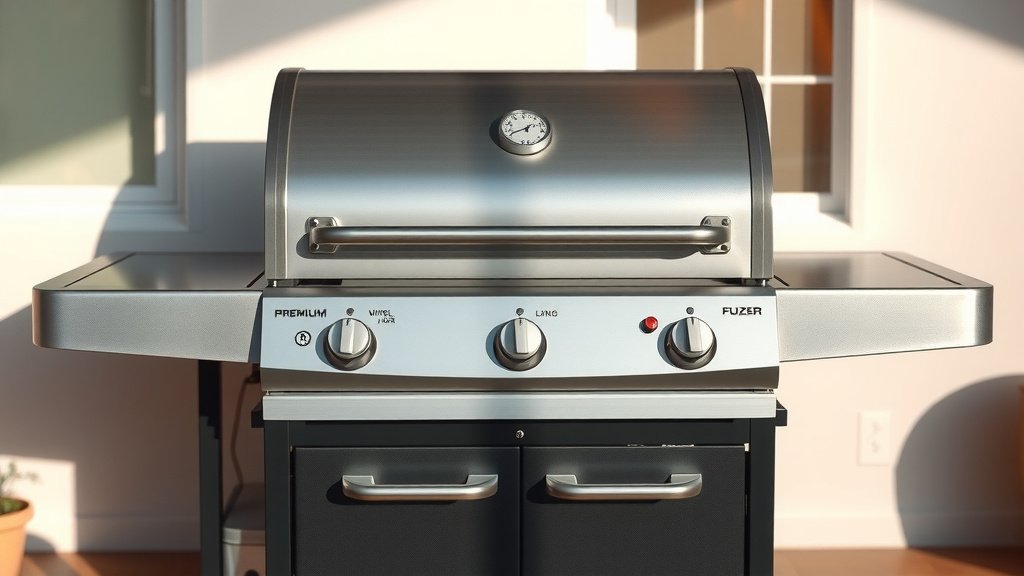
Operating a gas grill involves connecting the propane tank, opening the gas valve, turning a burner knob to high, and then using the igniter button to light it. Always remember to check for any gas leaks before starting to ensure a safe grilling experience.
To safely and effectively operate a gas grill, you need to follow a few simple steps. This includes setting up your tank correctly, performing a quick safety check, lighting the burners, and preheating for optimal cooking results. We’ll guide you through each part, from initial setup to cleanup, ensuring your grilling is always a success.
- Safely connect your propane tank and check for leaks using soapy water.
- Always open the tank valve fully before turning on burner knobs.
- Light your grill with the lid open and igniter button pressed.
- Preheat your grill to the right temperature for even cooking.
- Clean your grates after each use to keep your grill in top shape.
How To Operate A Gas Grill?
To operate a gas grill, you first connect the gas, then check for leaks, light the burners, preheat the grates, and adjust heat for cooking.
Your First Step: Setting Up Your Gas Tank
Before any grilling can begin, you need to connect your propane tank. It’s like preparing your canvas before you paint. Position the tank in its designated spot, often a shelf or hanger under the grill.
Then, connect the gas line regulator from the grill to the tank valve. Turn the regulator nut clockwise until it feels snug. You don’t need to overtighten; just make it firm.
The Crucial Leak Test
Safety is always first, right? We found that performing a leak test is a non-negotiable step before lighting your grill. It takes only a moment but gives big peace of mind.
To do this, mix a little dish soap with water in a spray bottle. Open the propane tank valve fully, but keep the grill burner knobs off. Spray the soapy water on all gas connections, especially where the hose meets the tank and the grill.
If you see bubbles forming, that means gas is escaping. If you spot bubbles, turn off the tank valve immediately. Retighten the connection and try the test again. If bubbles still appear, do not use the grill; it’s time to get a professional check or replace the hose (Consumer Reports).
Igniting Your Grill: A Simple Process
Ready to get some heat going? Lighting a gas grill is straightforward. Always make sure the grill lid is open when you light it. This prevents gas from building up inside.
First, open the main gas valve on your propane tank all the way. Then, turn one of your grill burner knobs to the “high” position. Press the igniter button, usually a red or black button on the control panel, and hold it for a few seconds.
You should hear a “whoosh” and see a flame. If it doesn’t light right away, wait about five minutes with the lid open before trying again. This allows any unburnt gas to clear out safely. Once one burner is lit, you can turn on the others as needed.
What If Your Igniter Doesn’t Work?
Sometimes, technology has a mind of its own. If your automatic igniter isn’t working, don’t worry. You can manually light your gas grill with a long lighter or a match in a holder. Just be very careful.
Open the grill lid, turn on a burner to “high,” then carefully bring the flame near the burner ports. Once it lights, turn on the other burners. Always keep your face and body away from the grill when lighting manually.
Preheating: The Secret to Great Grilling
Imagine trying to bake a cake in a cold oven. It wouldn’t turn out well, right? The same goes for grilling. Preheating your gas grill is a vital step for even cooking and achieving those delicious sear marks.
After lighting, close the grill lid and let it heat up. Many experts say a grill should preheat for at least 10 to 15 minutes. This allows the grates to reach a consistent, high temperature (Weber Grilling Guide).
Getting the Right Temperature
Different foods need different heat. For most direct grilling, you want temperatures between 400-550°F (204-288°C). A meat thermometer will help you know the internal temperature of your food, not the grill.
Your grill’s thermometer on the lid gives a general idea of the internal air temperature. For more precise grate temperatures, you might use an infrared thermometer. Adjust your burner knobs to fine-tune the heat.
Cooking Techniques: Direct vs. Indirect Heat
Understanding direct and indirect heat zones is like having a secret weapon in your grilling arsenal. It opens up a world of cooking possibilities.
Direct heat means cooking food right over the lit burners. This is ideal for quick-cooking items like steaks, burgers, hot dogs, and vegetables. It gives you that great sear and char.
Indirect heat involves cooking food over a burner that is turned off, with adjacent burners lit. This method is perfect for larger cuts of meat like whole chickens, roasts, or ribs. It allows for slower, more even cooking without burning the outside (USDA cooking guidelines).
| Food Type | Recommended Grill Temp | Cooking Method |
|---|---|---|
| Steaks (1-inch thick) | 450-500°F (232-260°C) | Direct |
| Chicken Breast | 350-400°F (175-204°C) | Indirect (then sear) |
| Burgers | 400-450°F (204-232°C) | Direct |
| Whole Roasts | 300-350°F (149-175°C) | Indirect |
Keeping an Eye on Your Food
Grilling is active cooking. You can’t just set it and forget it! Keep the lid closed as much as possible to maintain temperature, but do check your food regularly. Use tongs or a spatula, not a fork, to avoid piercing meat and losing juices.
A good meat thermometer is your best friend here. Always cook meats to their safe internal temperatures (CDC guidelines). This prevents foodborne illnesses and ensures your meal tastes its best.
Troubleshooting Common Gas Grill Issues
Even the most seasoned grill masters run into small snags. Don’t let a minor issue spoil your barbecue plans. Most problems have simple fixes.
- Low Flame or No Heat: Check your propane tank. Is it full? Is the valve fully open? Sometimes, a safety device called an “OPD” (Overfill Protection Device) can activate, reducing gas flow. Try turning off all burners and the tank, waiting 10 minutes, then slowly opening the tank valve first, followed by the burners.
- Uneven Heating: This might be dirty burner tubes or clogged gas ports. A grill brush or a stiff wire can often clear these blockages.
- Grill Won’t Light: As mentioned, check your igniter battery if it has one. Manual lighting is always an option.
The Post-Grill Clean-Up Checklist
A clean grill is a happy grill, and it’s also a grill that lasts longer. Many grill care guides recommend cleaning your grates after every use. It makes the next session much more enjoyable.
- Turn up the heat for 10-15 minutes after cooking to burn off food residue.
- Brush the hot grates thoroughly with a stiff wire brush.
- Once cool, wipe down exterior surfaces with a damp cloth.
- Empty and clean the grease tray regularly to prevent flare-ups.
- Consider a grill cover to protect it from the elements.
Storing Your Propane Tank Safely
When you’re done grilling for a while, it’s important to store your propane tank properly. Always turn off the tank valve completely. Disconnect the regulator if you plan to store the grill for an extended period.
Store propane tanks upright, in a well-ventilated area, away from direct sunlight, heat sources, and anything flammable. Never store a propane tank indoors, in a shed, or in an attached garage (NFPA guidelines).
Conclusion
Operating a gas grill truly isn’t complex, it’s just about knowing the right steps and following them with care. From the initial tank connection and vital leak test to proper lighting, preheating, and even cleanup, each stage plays a part in a successful grilling experience. Remember, safety always comes first, so take your time with checks. Then, enjoy the tasty rewards of your efforts! Happy grilling!
How do I know if my propane tank is empty?
A simple way to check your propane tank level is to pour hot tap water down the side of the tank. Then, carefully feel the tank’s side with your hand. The empty part of the tank will feel warm, while the liquid propane inside will make the tank feel cool or cold at that level. Another option is a tank scale or an inline gas gauge.
Can I use charcoal in a gas grill?
No, you absolutely should not use charcoal in a gas grill. Gas grills are not designed for solid fuels like charcoal. Doing so can cause significant damage to your grill, create fire hazards, and potentially lead to dangerous situations due to improper ventilation and heat containment.
How often should I clean my grill grates?
For the best performance and hygiene, you should clean your grill grates after every use. Scrape them while they are still hot to remove food residue. A deeper clean of the grates and interior components is recommended a few times a season, depending on how often you grill.
What causes flare-ups on a gas grill?
Flare-ups are often caused by fat or drippings falling onto hot burner covers or direct flames. To help avoid them, trim excess fat from meats, ensure your grease tray is clean, and use indirect heat for fattier cuts. If a flare-up occurs, move food away from the flame and close the lid for a moment to starve the fire of oxygen.
Is it safe to leave a gas grill in the rain?
While most modern gas grills are designed to withstand some outdoor exposure, it is always best to protect your grill from rain and other elements. Use a high-quality grill cover to prevent rust and corrosion, which can shorten your grill’s lifespan and affect its performance.
