How to Maintain a Offset Smoker?
On this page (9 sections)
- Keeping Your Offset Smoker in Top Shape
- The Art of the Clean: Post-Cook Smoker Care
- Mastering the Seasoning Process for Your Smoker
- Battling Rust: Your Smoker’s Nemesis
- Firebox Management: The Heart of Your Smoker
- Smart Storage for Extended Smoker Life
- Your Smoker Maintenance Checklist
- Conclusion
- Frequently Asked Questions
Maintaining your offset smoker is key to delicious, smoke-infused food. Regularly cleaning and seasoning your smoker prevents rust and ensures it heats evenly. A well-maintained smoker delivers better flavor and a longer lifespan for your cooking equipment. Let’s get your smoker in top shape!
Think of your smoker like any other cooking tool. Just like your grill or oven, it needs a little TLC to perform at its best. Proper care also helps avoid unwelcome guests like rust and creosote buildup. This leads to safer cooking and even more predictable results.
- Clean it after every few uses.
- Season the grates and the inside regularly.
- Inspect for rust and address it quickly.
- Keep the firebox clear of ash.
- Store it properly when not in use.
Ready to dive in? Below, we’ll walk you through the essential steps for keeping your offset smoker in prime condition, making every cookout a success.
Keeping Your Offset Smoker in Top Shape
Your offset smoker is a fantastic tool for creating delicious, smoky barbecue. To get the best results and make sure it lasts, you need to care for it. Regular maintenance prevents rust and ensures your smoker heats evenly. This means better tasting food and a longer life for your equipment.
The Art of the Clean: Post-Cook Smoker Care
After you’ve enjoyed a fantastic meal cooked on your offset smoker, a little cleanup is in order. Don’t let the mess sit! Prompt cleaning prevents stubborn buildup and makes future cooks much easier. This is one of the most important steps for smoker longevity.
Cleaning the Cooking Grates
Your grates touch your food, so they need special attention. After each use, while the grates are still warm (but not scorching hot!), use a stiff wire brush. Scrub away any charred bits of food or grease. This prevents flavor contamination on your next cook.
If you have stubborn residue, you can use a grill scraper. For a deeper clean, some people remove the grates entirely. Wash them with warm, soapy water. Be sure to rinse them thoroughly. Then, dry them completely to avoid rust.
Wiping Down the Smoker Body
Once the grates are clean, turn your attention to the inside of the smoker. Use a rag or shop towels to wipe down the inside surfaces. You’re aiming to remove any loose ash or grease drips. This helps prevent creosote buildup, which can be a fire hazard and affect flavor.
Many pitmasters recommend wiping down the outside of the smoker too. A damp cloth can remove dust and debris. Keep your smoker looking good and protect its finish. This simple step adds years to its life.
Mastering the Seasoning Process for Your Smoker
Seasoning your offset smoker isn’t just for new smokers. It’s an ongoing process that protects the metal and improves performance. Think of it like seasoning a cast iron skillet – it creates a non-stick surface and prevents rust.
Initial Seasoning (for New Smokers)
If your smoker is brand new, it needs an initial seasoning. This burns off any manufacturing oils or coatings. You’ll want to do this outdoors, away from anything flammable. It’s a bit like giving your smoker a spa day before its first real job.
First, wash the inside and outside of the smoker with mild soap and water. Rinse well and dry thoroughly. Then, apply a thin, even coat of a high-heat cooking oil to all interior surfaces. Vegetable oil or canola oil works well.
Build a small fire in the firebox. Let it burn for about an hour at a moderate temperature, ideally between 225°F and 275°F (107°C – 135°C). This process bakes the oil onto the metal. You might notice some smoke; this is normal. Repeat this process 2-3 times for a good initial layer.
Regular Re-Seasoning
Even after the initial seasoning, your smoker needs re-seasoning periodically. You’ll notice the surface looking dull or dry. This is your cue to reapply oil. It’s a good idea to do this every few months or after a period of heavy use.
For re-seasoning, you don’t always need to go through the full initial process. Often, a quicker session is enough. Heat the smoker to around 300°F (150°C) for about an hour. Once cooled, apply a light coat of oil to the interior surfaces. This keeps the protective layer intact and prevents rust.
Battling Rust: Your Smoker’s Nemesis
Rust is the enemy of any metal appliance, and your offset smoker is no exception. Exposure to the elements, moisture, and even certain types of food residue can encourage rust. Catching it early makes a huge difference.
Inspection Routine
Make it a habit to inspect your smoker for rust. Do this after each cleaning session. Pay close attention to seams, joints, and any areas where paint might have chipped. Small spots of surface rust are usually easy to deal with.
Treating Minor Rust Spots
For small rust spots, you can use steel wool or a wire brush to scrub them away. Once the rust is gone, wipe the area clean with a damp cloth. Then, dry it thoroughly. You’ll want to apply a thin coat of high-heat paint or oil to the spot. This protects the newly exposed metal. Many experts suggest using high-heat, rust-inhibiting paint designed for grills and smokers (Grill and Smoker Paint Manufacturers Association). For rust spots, consider using high-heat, rust-inhibiting paint designed for grills and smokers, as detailed in this guide.
Preventing Future Rust
The best way to combat rust is prevention. Always ensure your smoker is completely dry before storing it. If you live in a humid climate or near the coast, consider using a smoker cover. A breathable, waterproof cover can keep moisture out while allowing air circulation. This is a simple yet effective measure.
Firebox Management: The Heart of Your Smoker
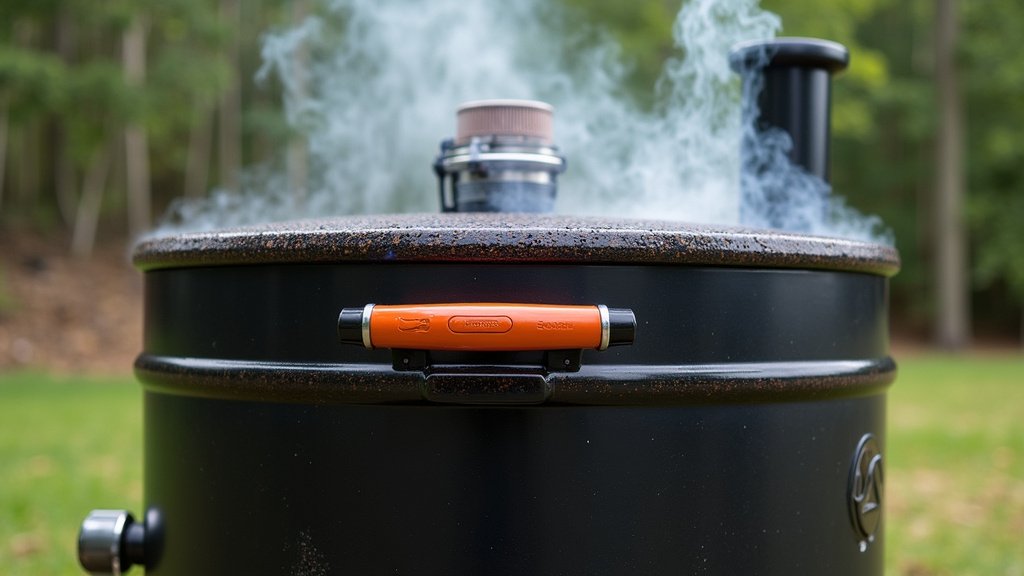
The firebox is where the magic happens – it’s where you build your fire. Keeping it clean and well-managed is essential for controlling temperature and ensuring efficient burning.
Ash Removal is Key
After your smoker cools completely, remove any accumulated ash from the firebox. Ash can absorb moisture, which promotes rust. It can also interfere with airflow, making it harder to maintain a consistent fire. Use a shovel or a shop vac designed for ash removal.
Don’t let ash pile up too high. A thick layer can smother your coals and embers. This makes it difficult to get your fire going and keep it at the right temperature. Regularly scooping out the ash is a quick task that pays off.
Using the Right Fuel
The type of wood or charcoal you use matters. For offset smokers, hardwood chunks or logs are typically best. Avoid treated lumber or softwoods, as they can produce unpleasant flavors and harmful smoke. Using good quality fuel helps create cleaner burns and less ash buildup. Many experienced pitmasters prefer oak, hickory, or mesquite for their smoking properties (National BBQ Association).
Smart Storage for Extended Smoker Life
How you store your offset smoker when it’s not in use significantly impacts its lifespan. Protecting it from the elements is crucial.
Indoor vs. Outdoor Storage
If possible, storing your smoker indoors is ideal. A garage, shed, or covered patio offers the best protection. This shields it from rain, snow, sun, and dew. Even a few hours of dampness can start the rust process.
If you must store it outdoors, a high-quality, breathable smoker cover is a must. Ensure the cover fits snugly but isn’t so tight that it traps moisture. Leaving the lid slightly ajar under a cover can sometimes help with air circulation, but be sure no rain can get in. Check your smoker regularly for any signs of trouble.
Before Storing for the Season
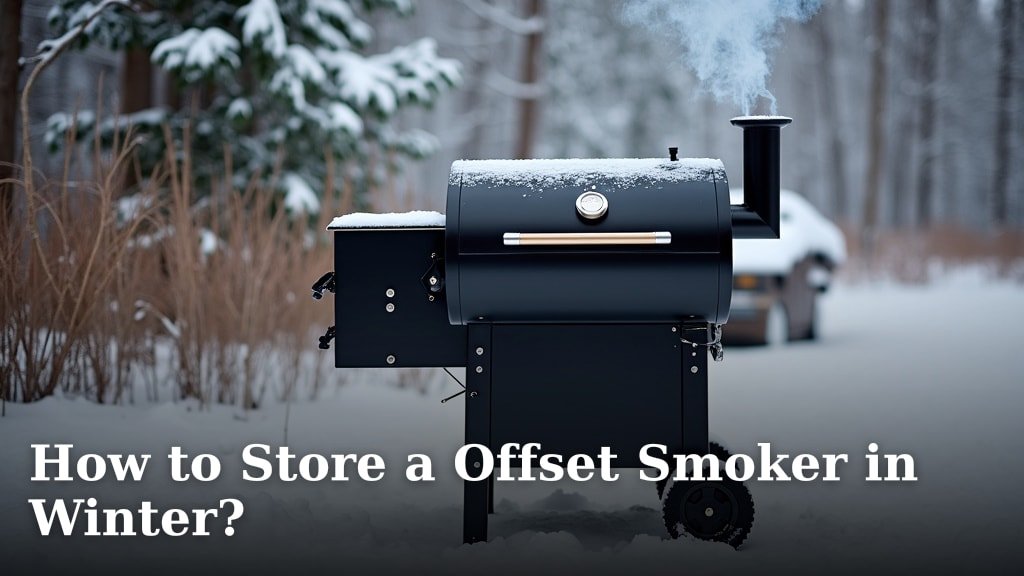
Before storing your smoker for an extended period, like over winter, give it a thorough cleaning and re-seasoning. Ensure all components are dry. You might even consider applying a light coat of cooking oil to all metal surfaces, inside and out. This adds an extra layer of protection against rust. It’s like putting your smoker to bed for a long, safe nap.
Your Smoker Maintenance Checklist
Here’s a quick checklist to keep your offset smoker in prime condition:
- Clean grates after every few uses.
- Wipe down smoker interior and exterior regularly.
- Inspect for and treat any rust spots immediately.
- Remove ash from the firebox after each cool-down.
- Re-season the smoker periodically to maintain its finish.
- Cover your smoker when not in use, especially outdoors.
Conclusion
You’ve learned that maintaining your offset smoker is a rewarding process. Consistent cleaning, regular seasoning, and diligent rust prevention are your best allies. These steps ensure your smoker performs beautifully, delivering incredible flavor every time. Don’t forget proper firebox care and smart storage. By implementing these practices, you’ll extend your smoker’s life and enjoy countless delicious meals. Now, go forth and fire up that beautifully maintained smoker for your next cookout!
Frequently Asked Questions
How often should I deep clean my offset smoker?
A deep clean, involving removing grates and thoroughly wiping down the interior, is best done after every 5-10 cooks. If you notice significant grease buildup or creosote, it’s time for a deep clean sooner. This prevents buildup that can affect flavor and create a fire hazard.
Can I use a pressure washer to clean my offset smoker?
It’s generally not recommended to use a pressure washer on your offset smoker. The high-pressure water can force moisture into the metal and seams, potentially leading to rust. It can also damage the paint or seasoning layers. Stick to manual cleaning methods like brushing and wiping.
What kind of oil is best for seasoning my smoker?
High-heat cooking oils are ideal for seasoning. Good choices include vegetable oil, canola oil, or grapeseed oil. These oils have a high smoke point, meaning they can withstand the heat of your smoker without burning off too quickly. Avoid low-smoke-point oils.
How do I know when my smoker needs re-seasoning?
You’ll know your smoker needs re-seasoning when the interior surfaces start to look dull, dry, or chalky. You might also notice it’s more prone to sticking or has a slight metallic smell. A quick inspection after cleaning is a good way to catch these signs early.
Is it okay to leave my smoker outside uncovered if it’s under a porch?
Even under a porch, your smoker is exposed to humidity, dust, and potential pests. While it offers some protection, a breathable, waterproof cover is still the best way to shield it from the elements. This adds an extra layer of defense against rust and keeps it cleaner between uses.