
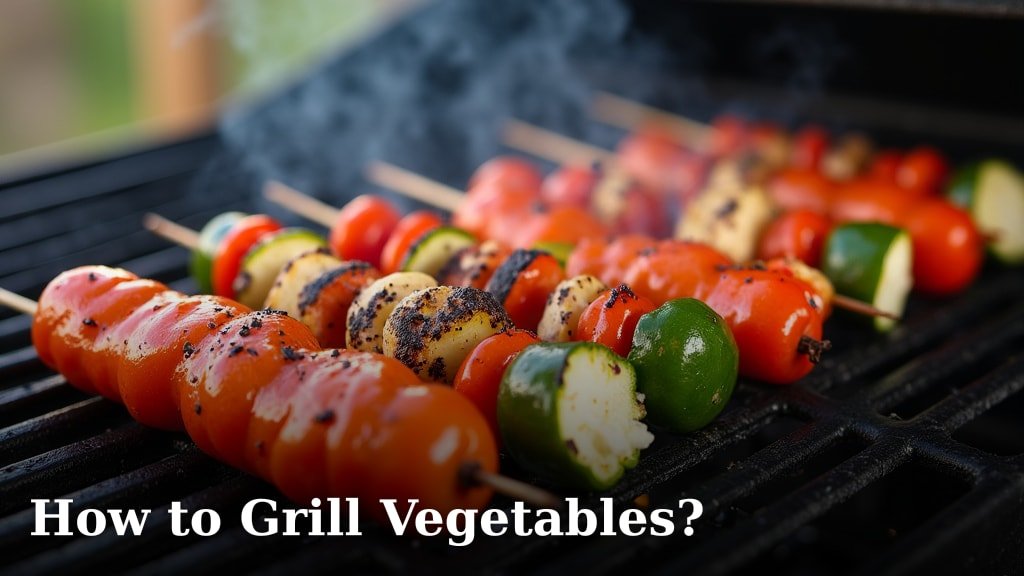
To grill vegetables, you should prepare your veggies, oil and season them, and then cook them over medium-high heat until tender-crisp. This method brings out their natural sweetness and gives them a wonderful smoky flavor. Grilling is a fantastic way to enjoy a wide variety of vegetables.
Many people find that grilled vegetables are an incredibly versatile side dish for almost any meal. You can even make them the main event. We found that proper preparation and understanding your grill are key to perfect results every time. Don’t worry, it’s easier than you think!
- Prepare your vegetables properly.
- Season them for best flavor.
- Learn the right grilling temperatures.
- Achieve perfect tenderness.
- Make them a delicious part of any meal.
Ready to turn your ordinary veggies into extraordinary grilled delights? Let’s walk through exactly how to grill vegetables so they turn out amazing every time.
Getting Your Veggies Ready for the Grill
Prepping your vegetables is the first step to grilling success. It ensures even cooking and beautiful grill marks. We found that a little effort here makes a big difference in the final taste.
Choosing the Right Vegetables for Grilling
Not all vegetables grill equally well. Some hold up to the heat, while others become mushy. You want firm, dense vegetables that can handle direct heat without falling apart.
- Asparagus: Trim the woody ends.
- Bell Peppers: Core and quarter them.
- Zucchini/Summer Squash: Slice into thick rounds or lengthwise planks.
- Eggplant: Slice into rounds or planks. Salting can draw out bitterness, though many skip this now.
- Corn on the Cob: Grill with husks on or removed.
- Onions: Cut into thick rounds or wedges to keep layers together.
- Mushrooms: Large portobello caps are great; smaller ones can go on skewers.
Consider the texture and moisture content. Vegetables with high water content, like tomatoes, can become very soft. You might prefer them in a grill basket.
How to Properly Cut Your Vegetables
Even cuts are essential for even cooking. If some pieces are thick and others thin, you’ll have a mix of burnt and undercooked veggies. Think about how long each type takes to cook.
For most vegetables, aim for pieces about 1/2 to 1 inch thick. This ensures they cook through but don’t overcook too quickly. Smaller pieces are perfect for skewers, while larger ones can go directly on the grates.
Seasoning and Oiling for Flavor and Non-Stick
Seasoning isn’t just for flavor; it also helps prevent sticking. The right oil and seasonings create a delicious crust and keep your vegetables from welding to the grill grates.
Why Oil Your Vegetables?
Oiling your vegetables serves two main purposes. First, it helps prevent them from sticking to the grill. Second, it helps transfer heat and encourages browning, giving you those lovely char marks.
We found that high smoke point oils are best for grilling. Olive oil is popular, but avocado oil or grapeseed oil are also great choices because they can handle higher temperatures without burning. A light coating is all you need.
Best Seasonings for Grilled Vegetables
Keep it simple or get creative! Salt and pepper are always a good start. From there, your options are endless. Herbs, spices, and marinades can elevate the flavor significantly.
- Salt and Freshly Ground Black Pepper: The classics, for a reason.
- Garlic Powder/Onion Powder: Adds a savory depth.
- Herbs: Dried oregano, thyme, rosemary, or fresh chopped parsley after grilling.
- Spices: Paprika, chili powder, or cumin for a smoky kick.
- Marinades: A simple vinaigrette or a soy-ginger blend can infuse a lot of flavor. Marinate for at least 30 minutes, but not too long or veggies can get soft.
Don’t be shy with the seasoning. The grill’s high heat can mellow out flavors, so a generous hand is often welcome.
Mastering the Grill Temperature and Technique
Grilling vegetables isn’t just about putting them on the grates. Understanding heat zones and cooking times is key. This ensures they’re tender-crisp, not burnt or raw.
Setting Up Your Grill for Vegetables
Most vegetables do best over medium-high heat. This allows them to cook through and develop a nice char without burning too quickly. We found that aiming for about 400-450°F (200-230°C) is ideal.
For a gas grill, preheat all burners, then adjust to medium-high. For a charcoal grill, create a two-zone fire. Pile coals on one side for direct heat, leaving the other side empty for indirect cooking if needed. This offers flexibility.
Direct vs. Indirect Heat for Vegetables
Knowing when to use direct or indirect heat is a game-changer. Most vegetables benefit from direct heat for that beautiful char, but some might need indirect heat to finish cooking without burning.
Direct Heat: Place vegetables directly over the heat source. This is great for thinner items or those that cook quickly, like asparagus or bell peppers. It gives you those classic grill marks and smoky flavor.
Indirect Heat: Place vegetables on the cooler side of the grill, away from direct flame. This is useful for thicker items that need more time to cook through, like whole potatoes (partially pre-cooked) or corn in the husk, to prevent burning the outside before the inside is done.
Achieving Perfect Doneness
How do you know when your grilled vegetables are ready? They should be tender-crisp. This means they are cooked through but still have a slight bite. No one wants mushy vegetables!
Cooking times vary by vegetable and thickness. Here’s a general guide:
| Vegetable | Preparation | Approx. Grill Time (Medium-High) |
|---|---|---|
| Asparagus | Trimmed | 5-8 minutes |
| Bell Peppers | Cored, quartered | 8-12 minutes |
| Zucchini/Squash | 1/2-inch slices | 6-10 minutes |
| Eggplant | 1/2-inch slices | 8-12 minutes |
| Corn on the Cob | Husks on/off | 15-20 minutes |
| Onions | 1/2-inch thick rounds | 10-15 minutes |
| Portobello Mushrooms | Whole caps | 10-15 minutes |
Flip your vegetables halfway through cooking to ensure even charring and tenderness. Use tongs for easy handling. Don’t crowd the grill; give each piece space to cook properly.
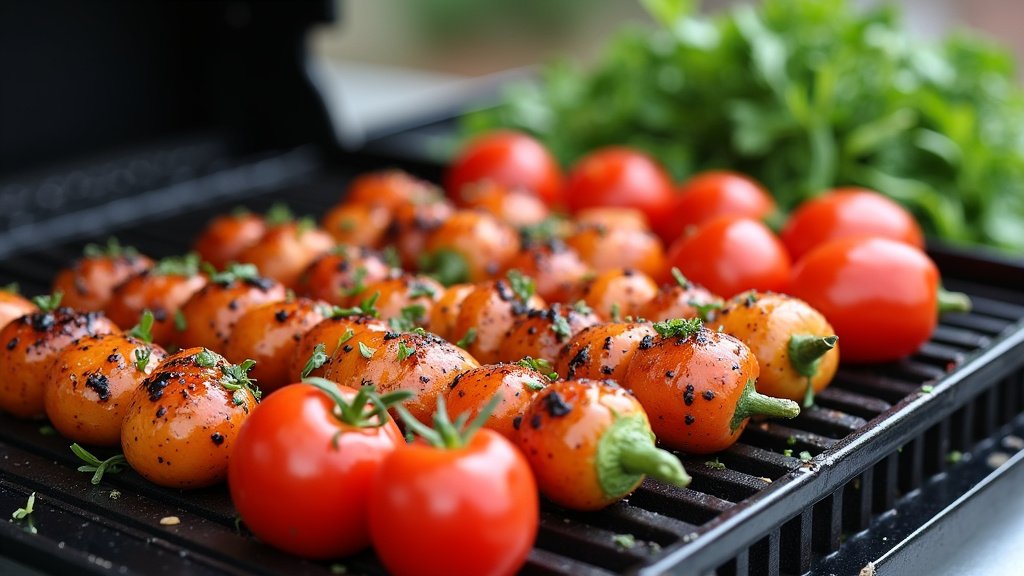
Enhancing Your Grilled Vegetable Experience
You’ve done the hard work, now make them shine! A few final touches can take your grilled veggies from good to unforgettable. We’ve often found that a little extra love at the end really pays off.
Adding Extra Flavor After Grilling
Once your vegetables come off the grill, they’re not quite done. This is your chance to add a final flourish of flavor. Think of it as painting the masterpiece after drawing the outline.
- Fresh Herbs: Chopped parsley, cilantro, or basil add brightness.
- Citrus Squeeze: A squeeze of lemon or lime juice can lift all the flavors.
- Balsamic Glaze: Drizzle a reduction for a sweet and tangy finish.
- Cheese: A sprinkle of Parmesan or feta while still warm can be delightful.
- Flaky Sea Salt: A final touch for texture and taste.
These small additions can make a huge impact on the overall enjoyment of your meal. We often suggest tasting a piece before adding these, just to see what it truly needs.
Making Grilled Vegetables a Meal
Grilled vegetables don’t have to be just a side dish. They can be the star! With a little creativity, you can turn them into a satisfying main course or a key component of a larger dish.
Consider grilling extra to use in other meals. Leftovers are fantastic in salads, sandwiches, or even stirred into pasta. Grilled vegetables are incredibly versatile.
Grilled Vegetable Checklist for Success
Before you fire up the grill, quickly run through this checklist to ensure everything is covered. This helps prevent common grilling mishaps (Cleveland Clinic).
- Are your vegetables clean and properly cut?
- Have you tossed them with oil and seasonings?
- Is your grill preheated to medium-high (400-450°F)?
- Are the grill grates clean and oiled?
- Do you have tongs ready for flipping?
- Is there a platter ready to receive the cooked veggies?
Following these steps will help you achieve perfectly grilled vegetables every time. You’ll be amazed at the flavor and how easy it truly is.
Conclusion
You now have all the tools to transform ordinary vegetables into extraordinary grilled delights. By focusing on proper preparation, smart seasoning, and mastering your grill’s heat, you’re set for success. Remember, a little attention to detail goes a long way in achieving that perfect tender-crisp texture and smoky flavor.
We’ve found that practice makes perfect, so don’t hesitate to experiment with different veggies and flavor combinations. Grab your tongs and your favorite produce, and get ready to enjoy some incredibly delicious and healthy grilled vegetables this season!
Frequently Asked Questions
Should I pre-cook dense vegetables like potatoes or carrots before grilling?
Yes, for very dense vegetables, we recommend partially pre-cooking them first. Boiling or steaming them until slightly tender will ensure they cook through on the grill without burning the exterior. This makes them much more enjoyable.
Can I grill frozen vegetables?
While you can, we generally don’t recommend grilling most frozen vegetables directly. They tend to release a lot of water, which can steam them rather than grill them, leading to a mushy texture. Thawing them first and patting them very dry will give better results.
My vegetables keep sticking to the grill grates. What am I doing wrong?
Sticking is often caused by insufficient oil on the vegetables or dirty grates. Make sure your vegetables are lightly but thoroughly oiled, and always clean your grill grates before heating. A well-oiled, hot grate helps prevent sticking.
How do I get good grill marks on my vegetables?
Achieving perfect grill marks requires a sufficiently hot grill and not moving the vegetables too soon. Place them on the grate and let them cook undisturbed for a few minutes to develop color. Then, lift and rotate 90 degrees for crosshatch marks before flipping.
What’s the best way to clean my grill after cooking vegetables?
The easiest way to clean your grill after cooking vegetables is while it’s still warm. Use a sturdy wire brush to scrape off any stuck-on bits. For more stubborn residue, you might need a dedicated grill cleaner once the grates have cooled.
