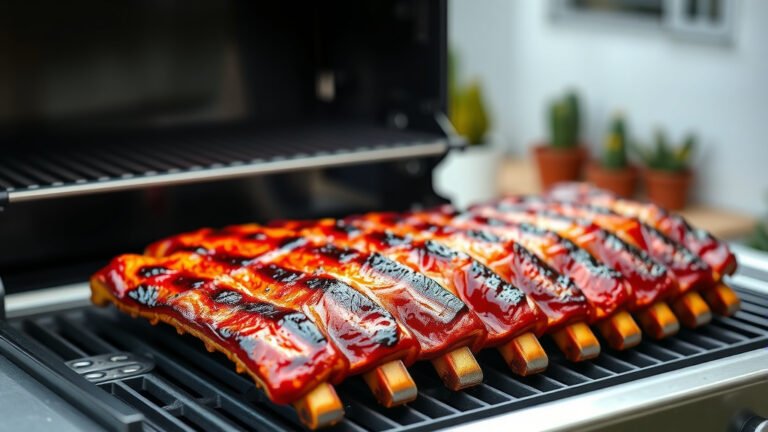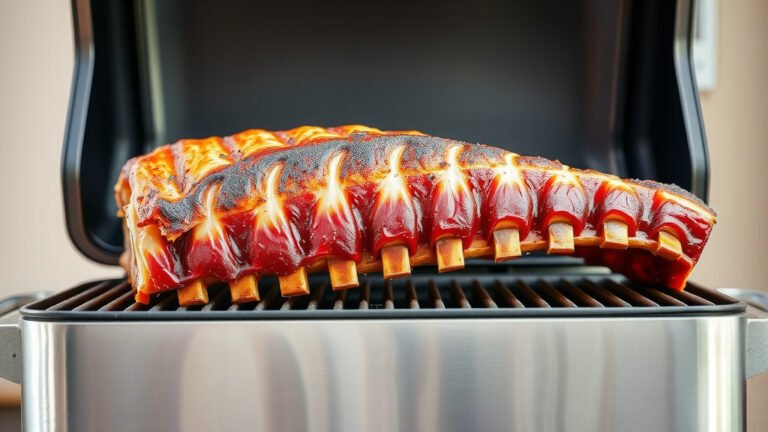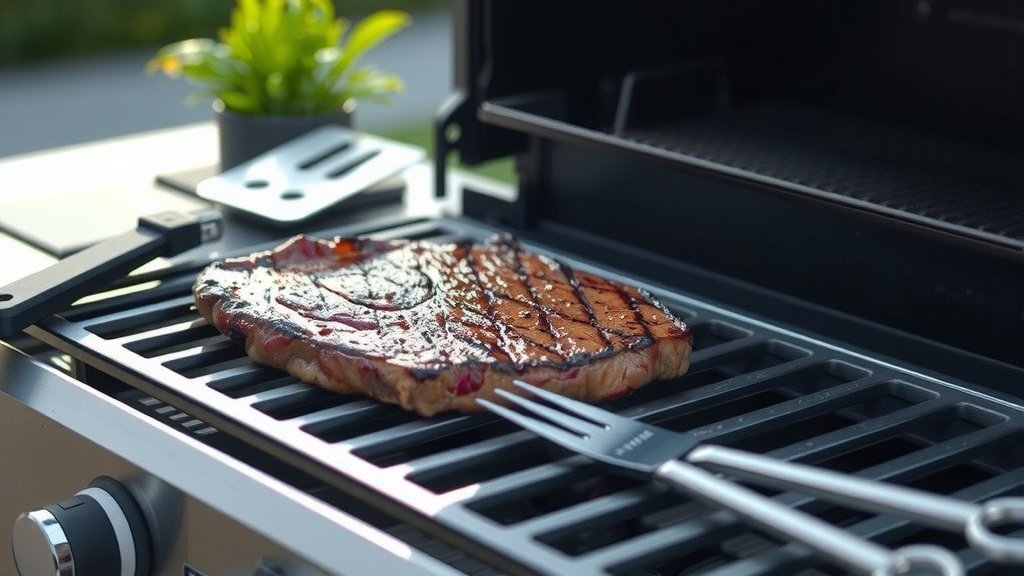
To grill the best steak on a gas grill, start with a well-marbled cut at room temperature, preheat your grill to high, then sear each side for 2-3 minutes before moving to indirect heat to finish cooking to your desired doneness.
Always use a meat thermometer for accuracy and remember to rest your steak before slicing to keep it juicy.
- Get your steak to room temperature before grilling for even cooking.
- Season generously with salt and pepper to create a flavorful crust.
- Preheat your gas grill thoroughly, aiming for scorching hot grates.
- Sear the steak over direct high heat for a beautiful crust.
- Finish cooking over indirect heat, using a meat thermometer for perfect doneness.
- Rest your steak after grilling; it’s a non-negotiable step for juiciness.
How To Grill The Best Steak On A Gas Grill?
Grilling the best steak on a gas grill involves preparing your cut, mastering temperature zones, and understanding how to achieve that perfect sear and juicy interior. It is easier than you might think to get restaurant-quality results at home.
Choosing Your Steak: The Foundation of Flavor
Selecting the right steak is crucial for a great grilling experience. We found that well-marbled cuts like ribeye, New York strip, or porterhouse are excellent choices for gas grilling.
Marbling, those tiny flecks of fat throughout the meat, melts during cooking. This process adds incredible flavor and keeps your steak tender. Think of it as nature’s built-in basting system.
Aim for steaks that are at least 1 to 1.5 inches thick. Thinner steaks cook too fast, making it hard to get a good sear without overcooking the inside. Nobody wants a tough, gray steak, right?
Preparing Your Steak for the Grill
Before any heat touches your steak, a little prep goes a long way. First, pull your steaks out of the fridge about 30-60 minutes before grilling. This allows them to come closer to room temperature.
Why room temperature? A cold steak hits the hot grill and seizes up, cooking unevenly. A warmer steak cooks more consistently, from edge to center. Pat your steaks dry with paper towels. Excess moisture steams instead of searing, preventing that beautiful crust.
Seasoning is next. We found that a generous sprinkle of coarse salt and freshly ground black pepper is often all you need. Don’t be shy; a good crust needs plenty of seasoning. Some people add garlic powder or a favorite steak rub, but keep it simple to let the beef flavor shine.
Preheating Your Gas Grill: Get It Hot, Hot, Hot!
Think of your grill as a high-performance oven. You wouldn’t put a cake in a cold oven, would you? Same principle applies here. Preheat your gas grill to high heat for 10-15 minutes with the lid closed.
You want those grates screaming hot. This ensures a fantastic sear when the steak first touches the metal. Many experts say that proper preheating prevents sticking and creates those desirable grill marks (Cook’s Illustrated).
Once hot, use a grill brush to scrape off any old food bits. Clean grates are essential for perfect contact and a clean flavor.
Setting Up Your Grill Zones
Gas grills offer a distinct advantage: temperature zones. This means you can have one area for high heat searing and another for gentle, indirect cooking. For a typical three-burner grill, turn two burners to high and one to low, or even off. This creates your two-zone grilling setup. We found this method gives you maximum control over doneness.
The Searing Stage: Crust Perfection
Place your seasoned, room-temperature steaks directly over the high-heat burners. You should hear a satisfying sizzle immediately. Sear each side for 2-3 minutes. Don’t touch it, don’t move it, just let it do its magic. This forms that delicious, dark brown crust through the Maillard reaction.
After searing both sides, you should have beautiful grill marks and a rich color. Now, it’s time to move to the next stage.
Finishing the Cook: Indirect Heat for Doneness
Move your seared steaks to the cooler, indirect heat zone of your grill. Close the lid to allow the ambient heat to finish cooking the inside evenly. This is where your meat thermometer becomes your best friend.
Different people like different levels of doneness. Here’s a quick guide to internal temperatures (USDA):
| Doneness | Target Temperature |
|---|---|
| Rare | 125-130°F (52-54°C) |
| Medium-Rare | 130-135°F (54-57°C) |
| Medium | 135-140°F (57-60°C) |
| Medium-Well | 140-145°F (60-63°C) |
| Well-Done | 150°F+ (66°C+) |
Remember that the steak will continue to cook a few degrees after it leaves the grill, known as carryover cooking. So, pull it off the grill when it’s about 5 degrees below your target temperature. For medium-rare, aim to pull it at 125-130°F.
Using a Meat Thermometer Accurately
Insert the thermometer into the thickest part of the steak, avoiding any bones or fat pockets. This gives you the most accurate reading. Relying on touch alone can be unreliable, especially for beginners.
The Golden Rule: Rest Your Steak!
This step is often overlooked, but it’s vital. Once your steak reaches its target temperature, remove it from the grill and place it on a cutting board. Tent it loosely with foil for 5-10 minutes. Do not skip this!
Resting allows the juices, which have migrated to the center during cooking, to redistribute throughout the meat. Cutting it too early will cause those precious juices to run out, leaving you with a drier steak. Patience is a virtue here, leading to a noticeably juicier result.
Slicing and Serving Your Masterpiece
After resting, slice your steak against the grain. Look at the muscle fibers; you want to cut perpendicular to them. This shortens the fibers, making each bite more tender. Serve immediately and enjoy your perfectly grilled steak!
Common Grilling Mistakes to Avoid
- Don’t grill a cold steak directly from the fridge.
- Avoid moving the steak too often while searing.
- Do not cut into the steak to check for doneness; use a thermometer.
- Don’t forget to clean your grill grates before and after use.
- Never skip the resting period after cooking.
Maintaining Your Gas Grill for Optimal Performance
A clean grill cooks better and lasts longer. After each use, let the grates cool slightly, then brush them clean. Many experts recommend doing this while the grates are still warm (Weber Grilling Guide).
Periodically, you should do a deeper clean. This includes cleaning the flavorizer bars and ensuring the burner ports aren’t clogged. A well-maintained grill ensures consistent heat and a better cooking experience every time.
Conclusion
Grilling the best steak on a gas grill is a rewarding experience that combines good preparation with proper technique. By choosing the right cut, bringing it to room temperature, seasoning generously, and mastering the two-zone cooking method, you are well on your way to a perfect steak. Remember the thermometer and, most importantly, give your steak time to rest. You’ll be amazed at the difference these simple steps make.
How do I know when my gas grill is hot enough for steak?
Your gas grill is hot enough for steak when you can only hold your hand about an inch above the grates for 2-3 seconds, indicating very high heat. It usually takes about 10-15 minutes of preheating on high with the lid closed.
Should I oil the steak or the grill grates?
It’s generally better to oil the steak lightly, rather than the grill grates. Too much oil on the grates can lead to flare-ups, while a thin coat on the steak helps prevent sticking and promotes a good sear.
What is carryover cooking and why does it matter for steak?
Carryover cooking is the process where food continues to cook after being removed from the heat source. It matters for steak because its internal temperature will rise a few degrees after grilling, so you should pull your steak off slightly before its target doneness to avoid overcooking.
Can I grill frozen steak on a gas grill?
While some methods exist for grilling frozen steak, it is not recommended for achieving the “best” steak. For optimal results, always thaw your steak completely before grilling to ensure even cooking and a proper sear.
How often should I flip the steak on a gas grill?
For searing, flip the steak only once to get a good crust on each side. After searing and moving to indirect heat, you might flip it once more during the final cooking stage to ensure even doneness, but avoid excessive flipping.