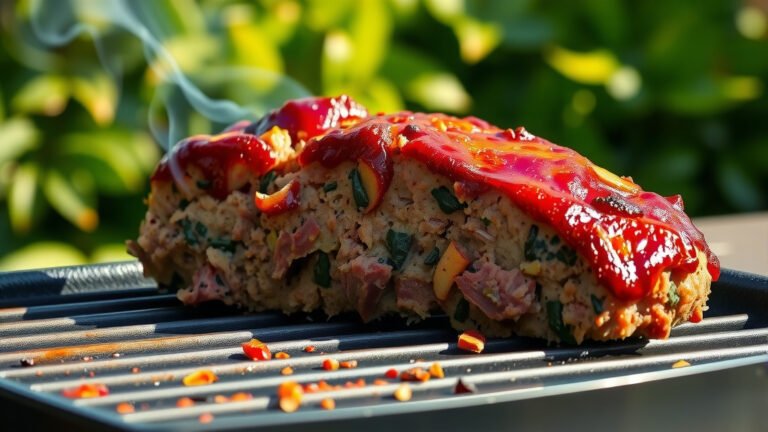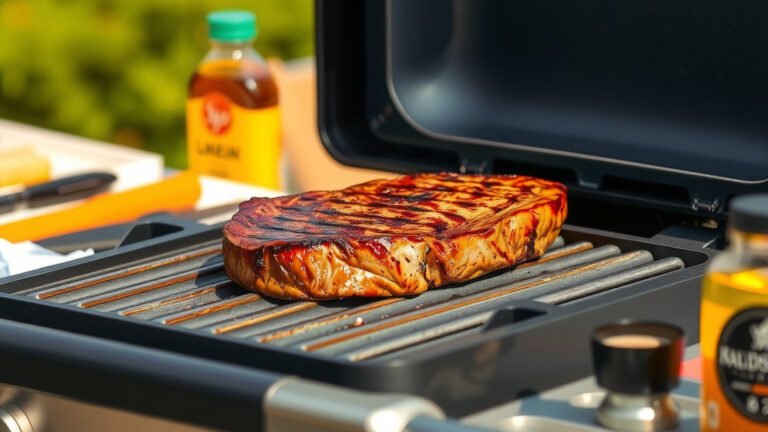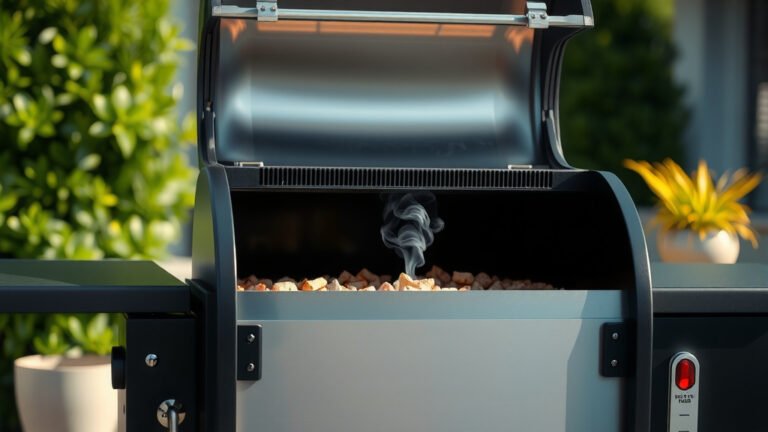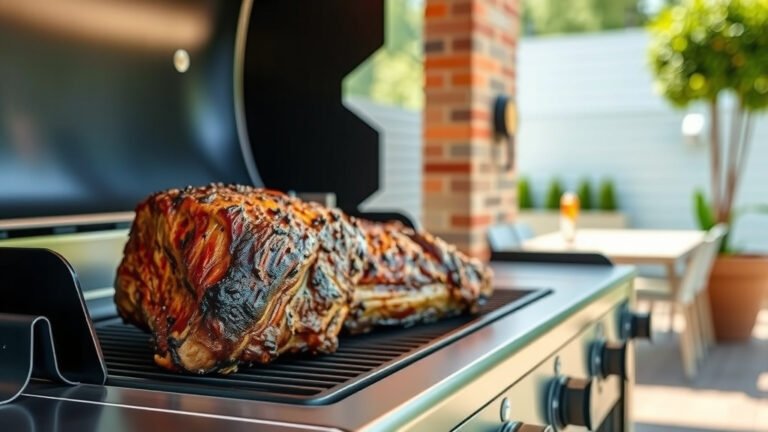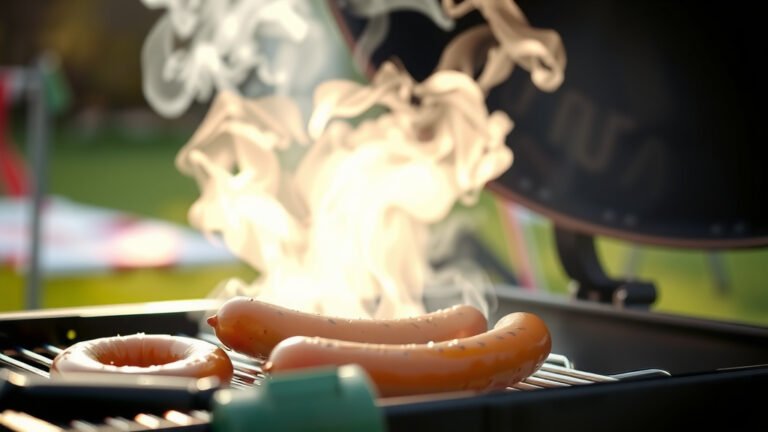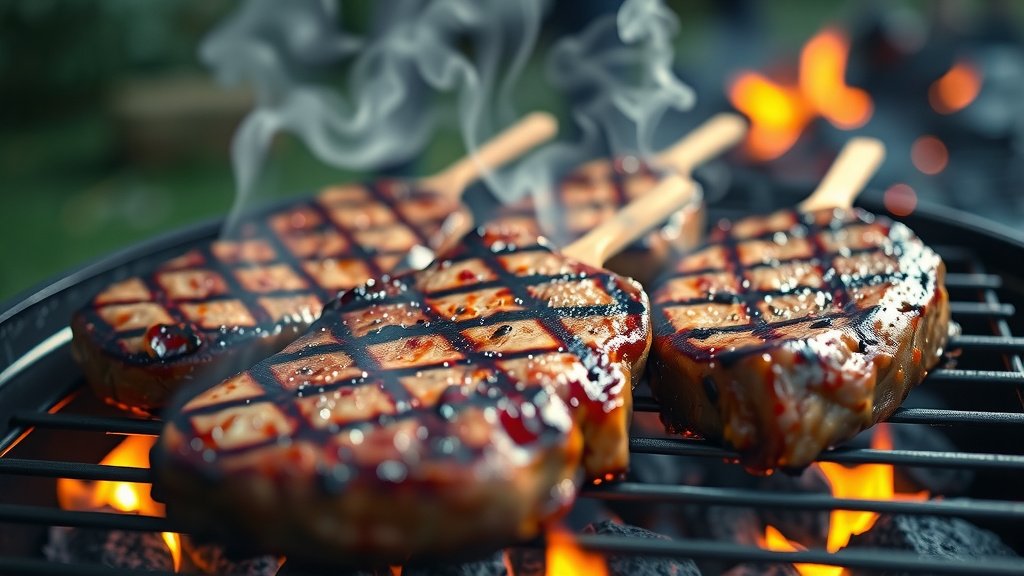
To grill steaks on a charcoal grill, create a two-zone fire: one side with direct, high heat for searing, and the other with indirect, lower heat for finishing. Always use a meat thermometer to ensure your steak reaches the perfect internal temperature for your desired doneness.
For juicy, perfectly cooked steaks on a charcoal grill, mastering heat zones and internal temperatures is key. Here’s a quick guide:
- Prepare your steak properly by patting it dry and seasoning well.
- Set up your charcoal grill with a direct and an indirect heat zone.
- Sear the steak quickly over direct heat for a beautiful crust.
- Move it to indirect heat to cook through evenly to your desired doneness.
- Use a reliable meat thermometer for accuracy, then let your steak rest before serving.
How To Grill Steaks On Charcoal Grill?
Grilling steaks on a charcoal grill brings a unique smoky flavor that gas grills just can’t match. It’s all about heat management and knowing your meat.
Getting Your Grill Ready
Before you even touch a steak, you need to get your grill ready. This step is crucial for success and often overlooked. A well-prepared grill makes all the difference.
Choosing the Right Charcoal
What kind of charcoal do you prefer? You have options like lump charcoal or briquettes. Lump charcoal burns hotter and faster, offering a natural wood smoke flavor. Briquettes provide a more consistent, longer burn, which many grillers appreciate for predictability (Food Safety and Inspection Service).
Building Your Two-Zone Fire
This is the secret sauce for grilling amazing steaks. We create two distinct heat zones. Pile your lit charcoal on one side of the grill for direct, high heat. Leave the other side empty for indirect, lower heat. This setup lets you sear for a crust and then cook gently to finish.
Steak Preparation is Key
You wouldn’t run a marathon without stretching, right? Preparing your steak correctly is just as important. It sets the stage for optimal flavor and texture.
Picking Your Perfect Steak Cut
What’s your favorite cut? Ribeye, New York strip, porterhouse, or sirloin? Each offers a different experience. For grilling, look for steaks that are at least 1 to 1.5 inches thick. Thicker steaks are more forgiving and easier to cook to various doneness levels (American Meat Science Association).
Seasoning Like a Pro
A good steak needs simple seasoning to shine. We found that a generous amount of coarse salt and freshly ground black pepper works wonders. Apply it just before grilling, or for a deeper flavor, you can salt it an hour or two in advance. This process, called dry brining, helps tenderize the meat.
Bringing Steak to Room Temperature
Many experts say to let your steak sit out for 20-30 minutes before grilling. This allows the steak to warm up slightly, promoting more even cooking. A cold steak hitting a hot grill can lead to a gray band on the outside and a raw center, which nobody wants!
The Grilling Process: Sear and Finish
This is where the magic happens! We’re aiming for a beautiful crust and a juicy interior. It’s a two-step dance that delivers fantastic results every time.
Searing for Flavor
Place your steaks directly over the hot charcoal zone. You’ll hear that satisfying sizzle! Sear for about 2-3 minutes per side, depending on thickness and grill heat. This creates the Maillard reaction, giving your steak that rich, browned crust and amazing flavor.
Moving to Indirect Heat
After searing, move your steaks to the indirect heat zone. Close the lid to allow the heat to circulate around the meat, cooking it gently. This is where you monitor the internal temperature. This method helps prevent burning the outside while the inside reaches your desired doneness.
Achieving Perfect Doneness
How do you like your steak cooked? From rare to well-done, the key is knowing the internal temperature. Forget about touch tests; a reliable thermometer is your best friend here. It’s the most accurate way to get it right.
The Meat Thermometer is Your Friend
Insert your meat thermometer into the thickest part of the steak, avoiding any bones. Always pull your steaks off the grill a few degrees *before* they reach their target temperature, as they will continue to cook while resting (this is called carryover cooking). Research often connects specific internal temperatures with consistent doneness levels (USDA).
| Doneness Level | Target Temperature (Pull from Grill) | Final Temperature (After Resting) |
|---|---|---|
| Rare | 120-125°F (49-52°C) | 125-130°F (52-54°C) |
| Medium-Rare | 125-130°F (52-54°C) | 130-135°F (54-57°C) |
| Medium | 130-135°F (54-57°C) | 135-140°F (57-60°C) |
| Medium-Well | 140-145°F (60-63°C) | 145-150°F (63-66°C) |
| Well-Done | 150-155°F (66-68°C) | 155-160°F (68-71°C) |
Resting Your Steak: Don’t Skip It!
You’ve done all the hard work, but this final step is non-negotiable for a juicy steak. Resting allows the juices, which are pushed to the center during cooking, to redistribute throughout the meat. Cover it loosely with foil for 5-10 minutes before slicing. Your patience will be rewarded!
Troubleshooting Common Steak Grilling Problems
Even seasoned grillers face challenges. Don’t worry, we’ve all been there! Here are some common issues and how you can fix them for a better grilling experience.
- Flare-Ups: If fat drips onto the coals and causes flames, move your steak to the indirect zone temporarily. Close the lid for a few seconds to starve the flames of oxygen.
- Uneven Cooking: Ensure your charcoal bed is evenly spread on the direct side. Also, pre-heating your grill grate helps prevent cold spots.
- Dry Steak: You might be overcooking it! Always use a thermometer. Pulling it off the grill at the right temperature is vital.
- No Sear: Your grill wasn’t hot enough. Make sure your coals are fully lit and gray before placing the steak over direct heat.
- Sticking to the Grate: A clean, hot, and lightly oiled grill grate prevents sticking. Don’t flip too early; let the crust form first.
Conclusion
Grilling a perfect steak on a charcoal grill is an art, but it’s an art anyone can master. By focusing on proper preparation, creating distinct heat zones, and using a meat thermometer, you’re well on your way to enjoying restaurant-quality results. Remember, practice makes perfect, so don’t be afraid to fire up that grill!
How do I know when my charcoal grill is hot enough for steak?
Your charcoal grill is hot enough when the coals are mostly covered with a light gray ash. This usually takes about 15-20 minutes after lighting. You should be able to hold your hand about 4-5 inches above the grate for only 2-4 seconds over the direct heat zone.
Should I oil the steak or the grill grates?
It’s generally better to oil the steak lightly, or oil a paper towel and rub it on the clean, hot grill grates. Oiling the steak directly helps prevent sticking and promotes a better sear. Oiling cold grates is less effective and can lead to uneven cooking.
Can I grill a frozen steak on a charcoal grill?
While possible, it’s not ideal for optimal results. Experts recommend thawing your steak completely before grilling. Thawing ensures more even cooking and a better sear, preventing a raw interior with an overcooked exterior.
What kind of wood chunks can I add for extra smoke flavor?
For extra smoke flavor, you can add wood chunks like hickory, mesquite, oak, or cherry directly onto the hot coals. Hickory provides a strong, bacon-like flavor, while cherry offers a milder, fruity smoke. Start with a small amount to avoid overpowering the steak.
My steak keeps getting flare-ups. What am I doing wrong?
Flare-ups typically occur when fat drips onto very hot coals. To manage this, ensure your grill is clean before cooking. If a flare-up happens, move your steak to the indirect heat zone until the flames subside. You can also quickly close the grill lid for a few seconds to cut off oxygen.