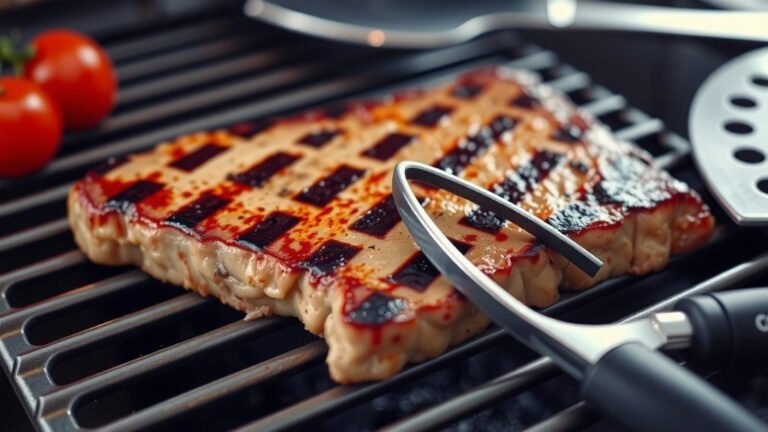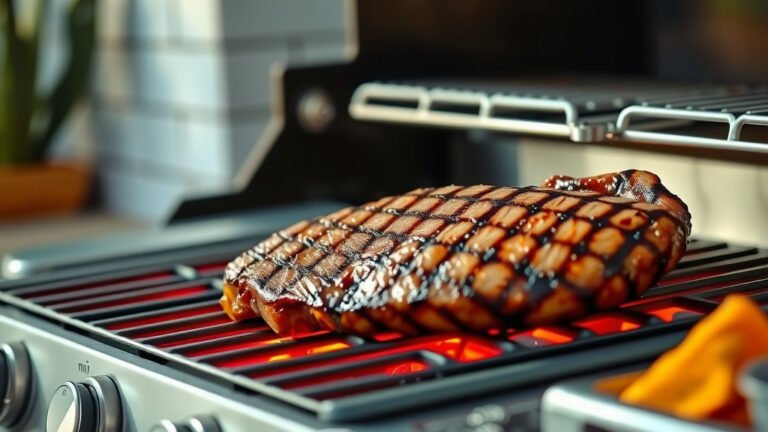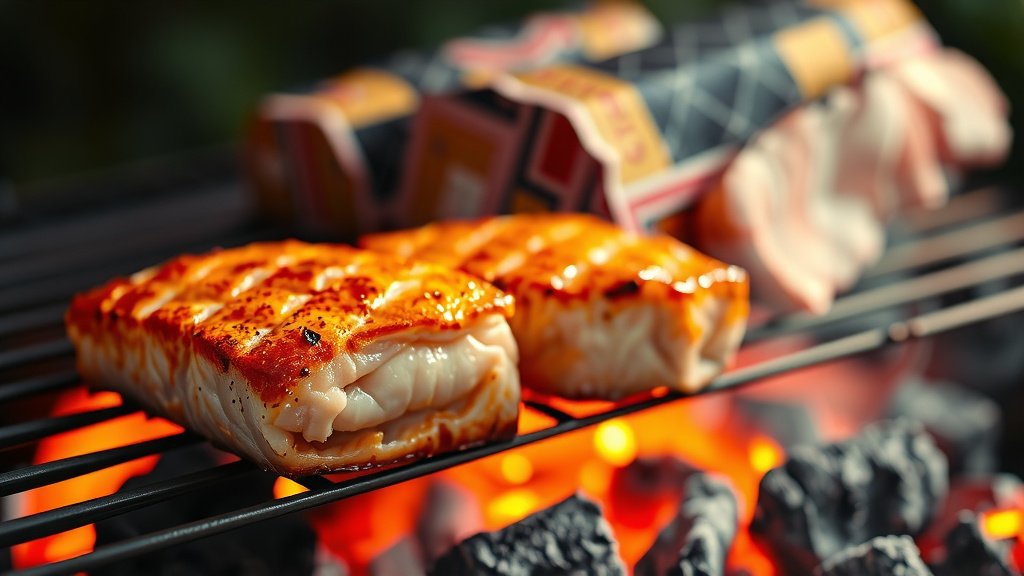
To grill salmon on a charcoal grill, aim for medium-high heat (around 400-450°F or 200-230°C) and cook skin-side down first for 4-6 minutes, then flip for another 2-4 minutes until flaky.
Always ensure your grill grates are clean and oiled to prevent sticking, making the process of grilling salmon on charcoal much smoother and more enjoyable.
Here’s a quick summary to get you started:
- Select quality salmon: Choose thick, even fillets for best results.
- Prepare your grill: Set up a two-zone fire for indirect and direct heat.
- Season your fish: Pat dry, then add your favorite rubs or marinades.
- Grill with care: Start skin-side down on direct heat, then move to indirect if needed.
- Check doneness: Look for an internal temperature of 145°F (63°C) and easy flaking.
How To Grill Salmon On Charcoal Grill?
Grilling salmon on a charcoal grill involves creating distinct heat zones, maintaining a consistent temperature, and knowing when to flip to achieve that perfect crispy skin and moist, flaky fish.
Why Choose Charcoal for Salmon?
You might wonder, why charcoal? A charcoal grill imparts a unique smoky flavor that a gas grill just cannot replicate. It adds a depth to the salmon that is truly special. Many grilling enthusiasts find the subtle smoke a perfect pairing for fatty fish like salmon.
The Flavor Advantage of Charcoal
The gentle waft of smoke from burning charcoal wraps around your salmon, creating a taste that’s both rustic and refined. We found that the smoky char complements the rich oils in salmon beautifully, turning a simple meal into something memorable.
Selecting Your Salmon Fillet
The journey to perfect grilled salmon starts at the fish counter. Look for fresh salmon with bright, moist flesh and no fishy smell. A good fillet should be firm to the touch.
Thickness Matters for Even Cooking
Opt for fillets that are at least one inch thick and have consistent thickness across the piece. This helps ensure even cooking. Thinner sections can overcook quickly, leaving you with dry spots (USDA).
Essential Tools for Grilling Salmon
Having the right tools makes a difference. You will want a good set of tongs, a stiff wire brush, and a reliable meat thermometer. A fish spatula is also a game-changer for delicate flipping.
Setting Up Your Charcoal Grill: The Two-Zone Fire
A two-zone fire is your secret weapon for grilling salmon. It gives you control, letting you sear over direct heat and finish cooking over indirect heat.
- Direct Heat Zone: Pile coals on one side of the grill. This area is for searing.
- Indirect Heat Zone: Leave the other side free of coals. This is for gentle cooking and preventing burning.
Research suggests this setup is ideal for foods requiring both a sear and controlled cooking (Weber Grills Guide).
Prepping Your Salmon for the Grill
Preparation is key for a successful grill. Always pat your salmon dry with paper towels. This removes excess moisture, which helps achieve a crispy skin and prevents sticking. Think of it as creating a better surface for that beautiful sear.
To Skin or Not to Skin?
We recommend leaving the skin on. It acts as a natural barrier, protecting the delicate flesh from the intense heat and helping to keep the fish together. Plus, crispy salmon skin is a treat!
Seasoning Your Salmon to Perfection
Once dry, it’s time to season. Keep it simple or go bold. A little olive oil, salt, and black pepper are often enough to let the salmon’s natural flavor shine. Lemon slices, dill, or garlic also make wonderful additions.
Achieving the Right Grill Temperature
Preheat your charcoal grill to a medium-high temperature, typically around 400-450°F (200-230°C). Use your grill’s lid and vents to control the airflow and manage the temperature. Many experts say a consistent heat avoids uneven cooking.
The Grilling Process: Starting Skin-Side Down
Once your grill is hot, clean the grates thoroughly with your wire brush. Then, lightly oil the grates to prevent sticking. Place your salmon fillets, skin-side down, directly over the coals in the direct heat zone. Close the lid.
Initial Sear Time
Let the salmon cook undisturbed for 4-6 minutes. This initial period is crucial for developing that desired crispy skin. You will see the flesh begin to cook up the sides of the fillet.
When to Flip Your Salmon?
After the initial sear, the skin should release easily from the grates. If it sticks, it needs a little more time. Use your fish spatula to gently flip the fillets to the flesh side, moving them to the indirect heat zone if you are worried about burning.
Finishing the Cook
Continue cooking for another 2-4 minutes, or until the salmon reaches your desired doneness. The cooking time will vary based on thickness and your grill’s exact temperature.
Checking for Doneness: The Flaky Test
The best way to know if your salmon is ready is by checking its internal temperature with a meat thermometer. Aim for 145°F (63°C) (FDA). Alternatively, you can gently flake the thickest part of the fish with a fork; it should separate easily.
Resting Your Grilled Salmon
Just like with meat, letting your salmon rest for 5 minutes after removing it from the grill helps redistribute the juices. This ensures a more moist and tender result. Cover it loosely with foil.
Quick Grilling Checklist for Success
- Have charcoal and lighter fluid ready.
- Clean grill grates before heating.
- Prepare a two-zone fire.
- Pat salmon dry and season it well.
- Oil grates just before placing fish.
- Use a meat thermometer for accuracy.
Common Mistakes to Avoid
Don’t rush the preheating. Do not forget to oil the grates. Avoid flipping too early, as this tears the skin. Overcooking is also a common pitfall, leading to dry salmon. Patience is your grilling ally.
Here’s a simple guide for salmon doneness:
| Doneness Level | Internal Temperature | Appearance |
|---|---|---|
| Rare | 120-125°F (49-52°C) | Translucent center |
| Medium-Rare | 125-130°F (52-54°C) | Slightly translucent center |
| Medium | 130-135°F (54-57°C) | Mostly opaque, moist |
| Medium-Well | 135-140°F (57-60°C) | Opaque, firm |
| Well Done | 140-145°F (60-63°C) | Completely opaque, flaky (FDA) |
Conclusion
Grilling salmon on a charcoal grill offers a fantastic way to enjoy this healthy and delicious fish. By following these steps – from choosing the right fillet to mastering your two-zone fire and knowing when to check for doneness – you can achieve perfectly cooked salmon with a wonderful smoky flavor. Remember, practice makes perfect, so don’t be afraid to experiment and discover your own charcoal grilling rhythm!
Frequently Asked Questions About Grilling Salmon
How do I prevent my salmon from sticking to the charcoal grill?
To prevent sticking, make sure your grill grates are thoroughly clean and hot before you add the salmon. Then, generously oil the grates right before placing the fish. A good quality fish spatula also helps immensely when it’s time to flip.
What internal temperature is ideal for grilled salmon?
The United States Department of Agriculture (USDA) recommends cooking salmon to an internal temperature of 145°F (63°C) for food safety. This usually results in moist, flaky fish.
Should I marinate salmon before grilling on charcoal?
Marinating salmon can add extra flavor and moisture, but it is not strictly necessary. If you choose to marinate, keep it short (30 minutes to an hour) as acidic marinades can “cook” delicate fish. A simple rub or just salt and pepper is often sufficient.
How do I get crispy skin on my grilled salmon?
For crispy skin, always start grilling your salmon skin-side down over direct, medium-high heat. Ensure the skin is dry before it hits the grill, as excess moisture will steam rather than crisp. Do not move the fish for the first 4-6 minutes.
Can I grill frozen salmon directly on a charcoal grill?
It is generally best to thaw frozen salmon completely before grilling. Thawing ensures more even cooking and helps achieve that desirable texture and crispy skin. Grilling from frozen can lead to unevenly cooked fish, with the outside potentially burning before the inside is done.