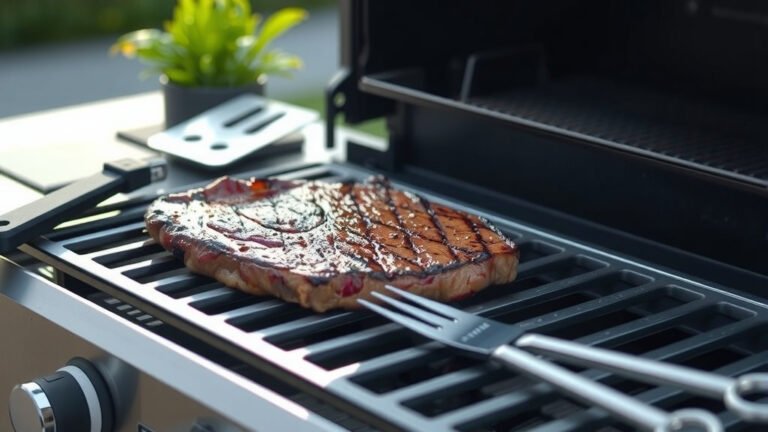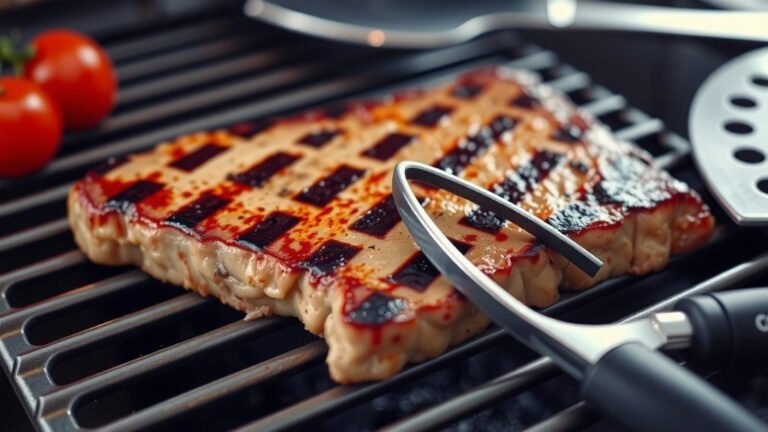
To grill pork steak on a gas grill, preheat your grill to medium-high for searing and set up a two-zone cooking area. Sear the steaks for 2-3 minutes per side over direct heat, then move them to indirect heat to finish cooking until the internal temperature reaches 145°F (63°C).
Always rest your pork steaks for at least 5-10 minutes after grilling to let the juices redistribute, ensuring a tender and flavorful result.
- Get a good pork steak cut, like shoulder or sirloin.
- Season it generously with your favorite rub.
- Preheat your gas grill to create hot and cooler zones.
- Sear your steak over direct heat, then cook indirectly.
- Use a meat thermometer to reach 145°F internal temperature.
- Rest the steak after grilling for maximum juiciness.
How To Grill Pork Steak On Gas Grill?
Grilling a pork steak on your gas grill can be simple and delicious. You just need to know a few key steps for a perfectly cooked, juicy steak.
Choosing the Right Pork Steak
Picking the right cut is the first step to grilling success. Some cuts are naturally more tender, while others benefit from careful cooking.
What Kind of Cut Works Best?
For grilling, you often want a cut with some marbling, which means a little fat running through the meat. This fat adds flavor and keeps the steak moist.
We found that pork shoulder steak, also known as pork butt steak, is a fantastic choice. It is rich in flavor and stays juicy on the grill.
Pork sirloin steaks also grill well, offering a leaner option. Just be mindful not to overcook them, as they can dry out faster (Food Safety and Inspection Service).
Prepping Your Pork Steak for the Grill
A little preparation goes a long way. Think of it as setting the stage for a culinary masterpiece. You want your pork steak ready to absorb all that smoky goodness.
Trim and Tenderize
Before seasoning, some people like to trim any large pieces of excess fat from the edges. You can leave a thin layer for flavor, though.
Many experts say that if your pork steak is on the thicker side, you might want to pound it lightly. This helps create a more even thickness for cooking.
Seasoning Magic
This is where you infuse your steak with amazing flavor. Don’t be shy with your seasoning.
A simple blend of salt, black pepper, and garlic powder works wonders. You could also use a store-bought pork rub or experiment with herbs like paprika or onion powder.
We often find that applying seasoning about 15-30 minutes before grilling lets the flavors meld. For a deeper flavor, you could even season an hour or two ahead and keep it in the fridge.
Setting Up Your Gas Grill
Your grill isn’t just an on/off switch. Setting it up correctly is vital for controlling the cooking process and getting those beautiful grill marks.
Two-Zone Grilling is Key
This technique is your best friend when grilling pork steak. It gives you control over searing and slow cooking.
Start by lighting half of your grill burners to medium-high heat. Leave the other half off. This creates a hot zone for searing and a cooler, indirect zone for finishing the cook.
Preheat your grill for about 10-15 minutes with the lid closed. You want the grates nice and hot for searing.
Grilling the Perfect Pork Steak
Now for the main event! With your grill hot and ready, it’s time to cook your pork steak to perfection.
Searing for Flavor
Place your seasoned pork steaks directly over the lit burners, the hot zone. You’ll hear that satisfying sizzle.
Sear each side for about 2-3 minutes. This creates a beautiful crust and locks in those delicious juices. You are looking for a nice, rich brown color.
Cook to Temperature
After searing, move your pork steaks to the unlit side of the grill. This is the indirect heat zone. Close the lid.
Continue to cook the steaks here, flipping them occasionally, until they reach your desired internal temperature. This gentle cooking ensures they cook through without burning.
Knowing When It’s Done
Overcooked pork can be tough and dry. The best way to ensure a tender, juicy steak is to cook it to the right internal temperature.
The Temperature Test
A meat thermometer is your best tool here. Insert it into the thickest part of the steak, avoiding any bone.
The United States Department of Agriculture (USDA) recommends cooking pork to an internal temperature of 145°F (63°C). This temperature ensures safety while maintaining juiciness.
Remember, the temperature will rise slightly as the steak rests, so you can pull it off the grill a few degrees early if you wish.
| Doneness Level | Internal Temperature (USDA) | Visual Cue |
|---|---|---|
| Medium-Rare (Optional) | 135-140°F (57-60°C) | Pinker center, some chefs prefer this. |
| Medium (Recommended) | 145°F (63°C) | Slightly pink center, very juicy. |
| Well-Done | 160°F+ (71°C+) | No pink, firmer texture. |
The Importance of Resting
This step is often overlooked, but it’s just as important as the grilling itself. Don’t skip it!
Once your pork steak hits the target temperature, remove it from the grill. Place it on a clean cutting board and tent it loosely with foil.
Let it rest for at least 5-10 minutes. This allows the juices, which have gathered at the center during cooking, to redistribute throughout the steak. The result is a more tender, more flavorful bite every time.
Troubleshooting Common Grilling Issues
Even seasoned grillers face challenges. Here are a few tips to help you conquer common pork steak grilling problems.
- Sticking to the Grates? Make sure your grill grates are clean and well-oiled before placing the meat. A quick brush and a wipe with an oiled paper towel can prevent this.
- Uneven Cooking? Check for flare-ups, which can create hot spots. Also, rotate your steaks for more even exposure to heat.
- Dry Steak? You likely overcooked it. Always rely on a meat thermometer, not just cook time. Pull it off at 145°F and let it rest.
- No Sear Marks? Your grill might not have been hot enough. Preheat longer, or ensure your burners are clean and delivering full heat.
- Still Tough? This could be the cut or inadequate resting. If it’s a tougher cut, consider a marinade next time, or pound it thinner.
Remember, grilling is an art and a science. Each grill is a little different, and practice makes perfect. Don’t be afraid to adjust your technique based on your grill and the specific cut of pork you’re using.
Conclusion
Grilling a delicious pork steak on your gas grill is totally achievable. From choosing the right cut to giving it a well-deserved rest, each step plays a role in creating a tender, flavorful meal. By following these straightforward tips, focusing on proper seasoning, mastering two-zone grilling, and using a meat thermometer, you’ll be serving up perfectly grilled pork steaks with confidence. Enjoy the grilling process, and savor the tasty results!
How long do you cook pork steak on a gas grill?
Cook pork steak on a gas grill for about 10-15 minutes total, depending on thickness. Sear each side for 2-3 minutes over direct heat, then move to indirect heat and cook for an additional 6-9 minutes, or until the internal temperature reaches 145°F (63°C).
Should I marinate pork steaks before grilling?
Marinating pork steaks before grilling is not strictly necessary but can add flavor and moisture, especially for leaner cuts. A simple dry rub works great, but a marinade with acids like vinegar or citrus juice can also tenderize the meat if you have more time.
What is the best temperature for grilling pork steak?
For grilling pork steak, preheat your gas grill to medium-high heat, aiming for about 400-450°F (200-230°C) for the direct searing zone. The indirect zone should be cooler, around 300-350°F (150-175°C), to finish cooking gently.
How do I prevent pork steak from drying out on the grill?
To prevent pork steak from drying out, always use a meat thermometer and cook only until it reaches 145°F (63°C) internal temperature. Avoid overcooking. Also, remember to rest the steak for 5-10 minutes after grilling to retain its natural juices.
Can I grill frozen pork steak on a gas grill?
It’s generally not recommended to grill frozen pork steak directly on a gas grill, as it can cook unevenly and prolong cooking times, potentially leading to unsafe temperatures in some parts. Always thaw pork steaks completely in the refrigerator before grilling for the best and safest results (USDA).