To grill flank steak on a gas grill, preheat your grill to high heat (around 450-500°F) for an initial sear, then reduce to medium-high to finish cooking evenly. The key is quickly searing for a crust, then cooking until an internal temperature of 130-135°F for medium-rare is reached.
Achieving a perfect grilled flank steak on a gas grill means focusing on preparation, managing grill temperatures, and always resting the meat before slicing against the grain.
- Get your flank steak ready by trimming excess fat and marinating for big flavor.
- Preheat your gas grill to a blistering high heat, then adjust for even cooking.
- Sear the steak quickly on both sides, then finish cooking to your preferred doneness, usually 130-135°F for medium-rare.
- Always let the cooked steak rest for 5-10 minutes to keep it juicy.
- Slice the flank steak thinly against the grain for maximum tenderness.
How To Grill Flank Steak On Gas?
Grilling flank steak on a gas grill involves preparing the meat, achieving high searing temperatures, and then cooking it to your desired doneness, ensuring a savory, tender result. You want that charred exterior with a juicy, flavorful inside.
Why Choose Flank Steak for Grilling?
Flank steak is a fantastic cut for the grill. It’s lean, flavorful, and cooks quickly. Its flat shape makes it ideal for direct heat. Many grill masters appreciate its ability to absorb marinades, turning a simple cut into something spectacular.
Understanding Flank Steak: A Quick Look
This cut comes from the abdominal muscles of the cow. It’s known for its strong beefy flavor but can be tough if not handled right. The trick is proper cooking and slicing. Don’t worry, we’ll guide you through it.
Prepping Your Flank Steak
Preparation is half the battle for a great grilled flank steak. A little effort here goes a long way. Are you ready to dive in?
Trimming and Seasoning
Start by inspecting your flank steak. Trim off any noticeable silver skin or excess fat. While flank steak is lean, you might find some tougher bits. For seasoning, a simple salt and pepper rub works wonders. Many chefs suggest a generous application.
The Magic of Marination
Marinating is highly recommended for flank steak. It adds flavor and helps tenderize the meat. Even an hour can make a difference, but overnight is ideal. Think of it as giving your steak a spa treatment.
- Soy sauce based (adds umami)
- Citrus based (lemon or lime brightens flavor)
- Garlic and herb (classic and aromatic)
- Balsamic vinegar (adds a sweet tang)
- Worcestershire sauce (deepens beefy notes)
Remember to pat your steak dry before it hits the grill. This helps achieve a better sear. Excess moisture can steam the meat instead of searing it. We find this step crucial for that perfect crust.
Setting Up Your Gas Grill for Success
Your grill is your cooking partner here. Understanding how to manage its heat zones is key. You’re aiming for both high heat and a slightly less intense zone.
Preheating to Perfection
Always preheat your gas grill. Turn all burners to high and close the lid. Let it preheat for 10-15 minutes. You want the grates to be super hot. This is vital for a strong sear, as many grilling guides emphasize.
Creating Two Heat Zones
For flank steak, consider creating two zones. Leave one side on high and turn the other side down to medium or medium-low. This allows you to sear, then move the steak to a cooler spot if needed to finish cooking without burning. It’s like having a fast lane and a slow lane on the grill.
Grilling Your Flank Steak: Step-by-Step
Now for the main event! Follow these steps for a delicious, perfectly grilled flank steak. You’re closer than you think to a fantastic meal.
Searing for Flavor
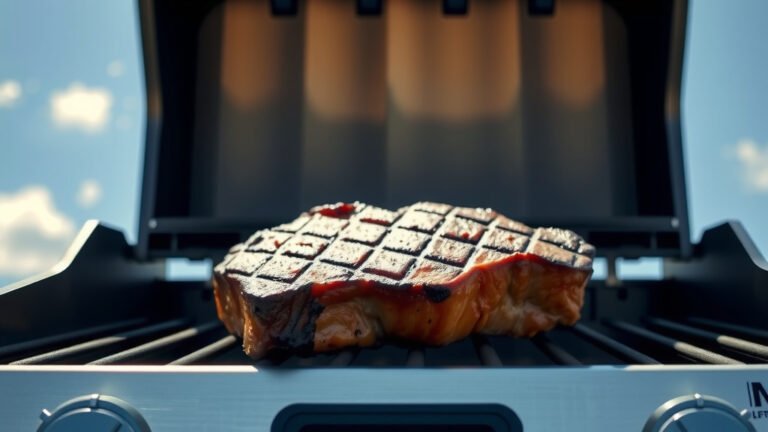
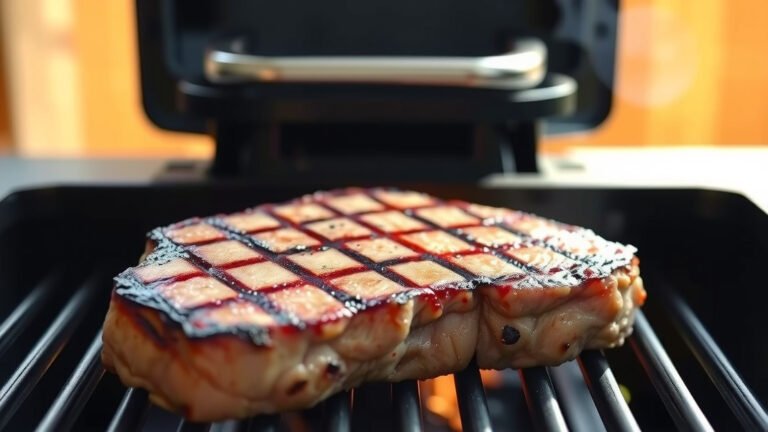
Place your dried, marinated flank steak directly over the high heat. Cook for 3-5 minutes per side. You’re looking for a beautiful, dark brown crust. That’s where much of the flavor lives. Don’t touch it during this initial sear.
Finishing to Doneness
After searing both sides, if your steak isn’t quite done, move it to the medium heat zone. Close the lid and continue cooking, flipping occasionally. This ensures the inside cooks through without over-charring the outside. You’re nurturing the steak now, not just blasting it with heat.
Achieving Perfect Doneness
Knowing when your steak is done is an art and a science. A meat thermometer is your best friend here. Don’t guess; measure. Many experts say it’s the most reliable method.
Temperature Guide for Flank Steak
Here’s a quick guide to internal temperatures. Remember, steak will continue to cook a few degrees after removal from the grill. This is called carryover cooking. Culinary research often highlights this effect.
| Doneness Level | Internal Temperature (Remove from Grill) |
|---|---|
| Rare | 120-125°F |
| Medium-Rare | 130-135°F |
| Medium | 135-140°F |
| Medium-Well | 140-145°F |
| Well-Done | 150°F+ |
The Importance of Resting
Once your flank steak reaches your desired temperature, remove it from the grill immediately. Place it on a cutting board and tent it loosely with foil. Let it rest for 5-10 minutes. This allows the juices to redistribute throughout the meat, making it incredibly tender and moist. Skipping this step is a common mistake, leading to dry steak.
Slicing Like a Pro
Slicing flank steak correctly is just as important as grilling it. This single step can make or break the tenderness.
Against the Grain is Key
Flank steak has very visible muscle fibers or “grain.” You must slice it against the grain. Look at the steak and identify the direction of these long fibers. Then, cut across them at a slight angle. This shortens the fibers, making each bite much more tender. Think of it like cutting a bundle of straws into small pieces versus cutting along their length.
Thin Slices for Tenderness
Aim for thin slices, generally about a quarter-inch thick. Thinner slices mean less chewing, enhancing the overall experience. Many top steakhouses employ this technique for maximum palatability.
Common Grilling Mistakes to Avoid
Even the pros make mistakes sometimes, but you can learn from them. Keep these in mind as you grill your flank steak.
Overcooking and Under-resting
The two biggest culprits for tough or dry flank steak are overcooking and not letting it rest. Flank steak is lean, so it dries out quickly if overcooked. And as we discussed, resting keeps the juices where they belong.
Slicing with the Grain
Another major mistake is slicing with the grain. This guarantees a chewy experience, no matter how perfectly you cooked it. Always take that moment to assess the grain direction.
Your Flank Steak Grilling Checklist
Before you fire up the grill, quickly run through this checklist. It helps ensure you hit all the important points.
- Flank steak trimmed and marinated?
- Grill grates clean?
- Gas tank full?
- Grill preheated to high heat?
- Meat thermometer ready?
- Cutting board and foil for resting prepared?
- Sharp knife for slicing against the grain?
Conclusion
Grilling flank steak on a gas grill doesn’t have to be intimidating. By focusing on proper preparation, precise temperature control, and respectful handling of the cooked meat, you can achieve delicious, tender results every time. Remember to marinate, sear quickly, cook to temperature, and always rest before slicing against the grain. You’ve got this, and a fantastic meal awaits!
Can I grill flank steak without marinating it?
While you can grill flank steak without marinating, it’s highly recommended for both flavor and tenderness. Flank steak benefits greatly from marinades, which help break down some of its tougher fibers and infuse it with delicious taste. If you’re short on time, even a 30-minute marinade can make a difference.
How long should flank steak rest after grilling?
Flank steak should rest for at least 5 to 10 minutes after being removed from the grill. This resting period allows the muscle fibers to relax and the internal juices to redistribute, resulting in a juicier, more tender steak. Cutting it too soon will cause the juices to run out, leaving you with dry meat.
What is the best way to slice flank steak for tenderness?
The best way to slice flank steak for tenderness is always against the grain and at a slight angle. Identifying the direction of the muscle fibers (the grain) and cutting perpendicularly across them shortens the fibers, making the steak much easier to chew and more tender. Aim for thin, quarter-inch slices.
What internal temperature is considered medium-rare for flank steak?
For a medium-rare flank steak, you should remove it from the grill when its internal temperature reaches 130-135°F. Remember that the temperature will rise another 3-5 degrees during the resting period (carryover cooking). Always use a reliable meat thermometer for accuracy.
How do I prevent my flank steak from drying out on the gas grill?
To prevent flank steak from drying out, focus on a few key steps: don’t overcook it (use a thermometer to hit your target temperature), use a marinade to add moisture and flavor, and always allow it to rest sufficiently after grilling. The lean nature of flank steak means it’s more prone to drying out if not handled carefully.