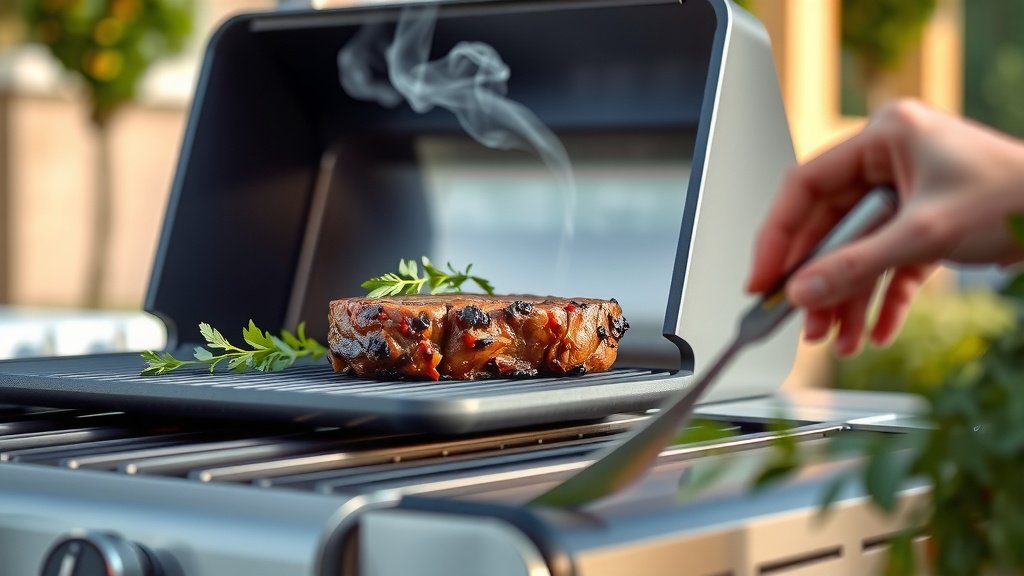
To grill filet mignon on a gas grill, set up two heat zones: a hot side for searing quickly and a cooler, indirect side for finishing it to your desired doneness.
For a perfectly cooked filet, sear each side for 2-3 minutes, then move it to the indirect heat, using a meat thermometer to track its internal temperature until it reaches about 125-130°F for medium-rare.
Here’s a quick overview of how to grill filet mignon beautifully:
- Select a thick, quality filet mignon for the best results.
- Always pat your steak dry and season it well before it hits the grill.
- Set your gas grill for two-zone cooking—this is key for searing then gentle cooking.
- Sear the steak over high heat to form a delicious crust, then finish it on indirect heat.
- A reliable meat thermometer is your best friend for precise doneness.
- Let your steak rest after grilling; this step ensures a juicy and tender bite every time.
How To Grill Filet Mignon On Gas Grill?
Grilling filet mignon on a gas grill is easier than you think, and it yields a tender, flavorful steak with a beautiful crust when you follow a simple two-zone cooking method.
Why Choose Filet Mignon for Grilling?
Filet mignon is famous for its incredible tenderness and subtle, buttery flavor. It comes from the smaller end of the beef tenderloin, which sees very little muscle use. This lack of work is why it’s so exceptionally tender.
While often pan-seared or oven-roasted, grilling adds a fantastic smoky char. This method gives you that satisfying crust we all crave, while keeping the inside wonderfully moist. You get the best of both worlds: smoky flavor and melt-in-your-mouth tenderness.
Gathering Your Grilling Arsenal
Before you even fire up the grill, make sure you have the right tools and, of course, the star of the show.
The Right Cut of Filet Mignon
Look for filets that are at least 1.5 to 2 inches thick. This thickness is important because it allows you to get a good sear without overcooking the inside. Thinner cuts are harder to control for doneness.
Choose steaks with good marbling, which are tiny flecks of fat. Marbling melts during cooking, adding moisture and flavor. Fresh, vibrant red color also indicates quality meat.
Essential Grilling Tools
You don’t need a gourmet kitchen, but a few items make grilling much smoother. A good pair of tongs, a clean grill brush, and a reliable meat thermometer are non-negotiable. We found that an instant-read thermometer helps you hit perfect temps every time.
Having a cutting board ready for resting the steak is also helpful. Some grillers like to use a chimney starter for charcoal, but since we are using a gas grill, you just need a lighter for your burners. Simple tools make the grilling process stress-free and fun.
Prepping Your Filet for Perfection
Preparation is half the battle when it comes to grilling a great steak. These steps ensure a fantastic crust and even cooking.
Pat Dry for Better Sear
This step might seem small, but it’s crucial. Use paper towels to thoroughly pat your filets dry on all sides. Moisture on the surface inhibits browning; you want to remove as much as possible.
A dry surface allows the steak to sear quickly and form a beautiful, crispy crust. Wet meat will steam rather than sear, leaving you with a gray exterior. Remember, a crisp exterior is key to a restaurant-quality steak.
Seasoning Your Steak
Keep it simple with filet mignon; its flavor shines on its own. A generous amount of coarse salt and freshly ground black pepper is often all you need. You can also add a touch of garlic powder or onion powder for extra depth.
Apply the seasoning just before grilling. Some experts suggest seasoning an hour or two ahead, letting the salt penetrate, but a quick pre-grill season also works wonderfully. Don’t be shy with the salt; it helps create that irresistible crust.
Setting Up Your Gas Grill for Success
The secret to a great grilled filet mignon on a gas grill lies in proper heat management. This means creating different temperature zones.
Understanding Two-Zone Grilling
Two-zone grilling allows you to sear over high heat and then gently cook through on lower, indirect heat. This method prevents burning the outside before the inside is cooked. It gives you precision and control over your steak.
For a gas grill, turn one or two burners on high heat (this is your direct zone) and leave the adjacent burners off (your indirect zone). Close the lid and let the grill preheat for 10-15 minutes until it reaches around 450-500°F.
| Grill Zone | Burner Setting | Purpose |
|---|---|---|
| Direct Heat | High | Searing and browning |
| Indirect Heat | Off or Low | Gentle cooking to desired doneness |
The Grilling Process: Sear and Finish
Now, let’s get those beautiful steaks cooking! This is where the magic happens, transforming raw meat into a grilled masterpiece.
Searing for that Crust
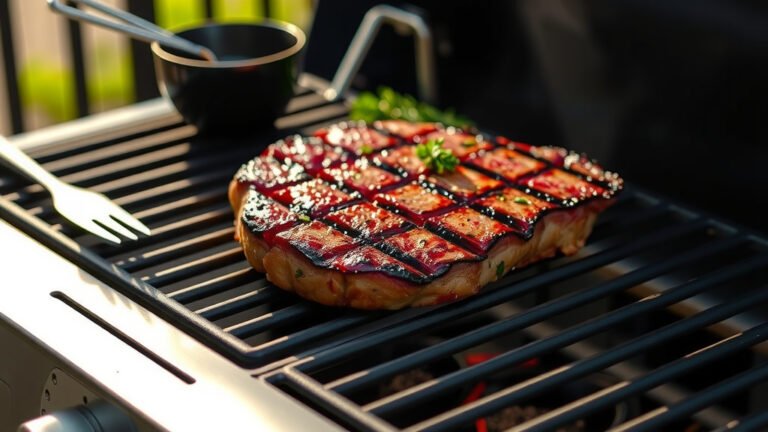
Place your seasoned filets directly over the high-heat burners. You should hear a satisfying sizzle immediately. Sear each side for 2-3 minutes until a deep brown, crusty exterior forms. This initial sear locks in juices and creates a flavorful texture.
Avoid moving the steaks during searing. Let them sit undisturbed to develop that perfect crust. Many experts agree this step is vital for achieving a restaurant-quality finish. Don’t peek too early!
Finishing with Indirect Heat
Once seared, move the filets to the indirect heat zone (the side with the burners off). Close the grill lid to allow the ambient heat to cook the steak gently. This prevents the outside from burning while the inside slowly comes to temperature.
This gentle cooking is crucial for filet mignon, which can dry out if cooked too aggressively. It’s like an oven inside your grill, slowly bringing your steak to perfect doneness. This method makes a huge difference.
Checking for Doneness (Meat Thermometer is Key!)
Forget the “poke test” or cutting into your steak. An accurate meat thermometer is your absolute best friend for perfectly cooked filet mignon.
Temperature Guide for Filet Mignon
Insert the thermometer into the thickest part of the steak, avoiding any bones. Remember that the temperature will rise a few degrees as the steak rests, known as carryover cooking. Many culinary guidelines recommend pulling the steak off the grill a few degrees before your target.
- Rare: Pull at 120-125°F (final 125-130°F)
- Medium-Rare: Pull at 125-130°F (final 130-135°F)
- Medium: Pull at 130-135°F (final 135-140°F)
- Medium-Well: Pull at 140-145°F (final 145-150°F)
- Well-Done: Pull at 150-155°F (final 155-160°F)
Aim for medium-rare or medium to truly appreciate filet mignon’s tenderness. Overcooking will diminish its signature quality. The USDA recommends a minimum safe temperature of 145°F for steaks, followed by a 3-minute rest, though many prefer slightly lower for tenderness.
The All-Important Rest
This step is non-negotiable, truly. Once your filet mignon reaches your target temperature, transfer it to a clean cutting board. Tent it loosely with foil for 5-10 minutes. This rest period allows the juices to redistribute throughout the meat.
If you cut into it too soon, those precious juices will flood your board, leaving you with a drier steak. Patience is a virtue here; this short wait guarantees a juicier, more tender bite. It’s like letting a good story settle before you share it.
Troubleshooting Common Grilling Issues
Even seasoned grillers face challenges sometimes. Don’t worry, we all learn as we go.
If your steak is cooking unevenly, your grill might have hot spots. Try rotating the steak halfway through its time on indirect heat. If it’s burning on the outside before cooking inside, your direct heat is too high, or the steak is too thin. Adjust your heat or move to indirect more quickly.
For a steak that’s too dry, you likely overcooked it. Always rely on that meat thermometer to pull it off at the right internal temperature. Many experts say that prevention through proper setup is the best cure for grilling woes.
Flavor Boosters for Your Filet
While filet mignon is delicious on its own, a few additions can elevate its flavor. A pat of compound butter, melting slowly over the hot steak during its rest, adds richness. Garlic and herb butter is a classic choice.
Consider a simple pan sauce made with red wine, shallots, and beef broth, reduced to a glaze. You could also sprinkle fresh herbs like thyme or rosemary right after grilling. These small touches can make your meal unforgettable without overpowering the steak’s natural goodness.
Conclusion
Grilling filet mignon on a gas grill doesn’t have to be intimidating. By understanding two-zone cooking, diligently prepping your steak, and using a meat thermometer, you can achieve restaurant-quality results at home.
Remember, patience during searing and resting is your best friend. Practice makes perfect, and soon you’ll be grilling flawless, juicy filet mignons that impress everyone. So fire up that grill and enjoy the delicious journey!
How long should I grill a 2-inch thick filet mignon on a gas grill?
For a 2-inch thick filet mignon, sear each side for 2-3 minutes over high heat, then move it to indirect heat. Continue cooking for an additional 8-12 minutes, flipping once, until it reaches your desired internal temperature, typically 125-130°F for medium-rare.
What is the best temperature for a gas grill when cooking filet mignon?
Preheat your gas grill to 450-500°F for the direct searing zone. The indirect zone will naturally be cooler, creating the perfect environment for gentle, even cooking after the initial sear.
Do I need to flip the filet mignon when cooking on indirect heat?
Yes, it’s generally a good idea to flip the filet mignon once halfway through its time on indirect heat. This promotes more even cooking and helps ensure both sides are exposed to the ambient heat equally.
Can I cook frozen filet mignon directly on the gas grill?
It’s best to fully thaw filet mignon before grilling. Grilling frozen steak can lead to uneven cooking, where the outside burns before the inside thaws and cooks properly. Thawing ensures a consistent result.
What kind of seasoning is best for grilled filet mignon?
For grilled filet mignon, simple seasoning is often best to let the steak’s natural flavors shine. Coarse salt and freshly ground black pepper are classic choices. Some grillers also add a touch of garlic powder or a sprinkle of dried herbs like thyme or rosemary.