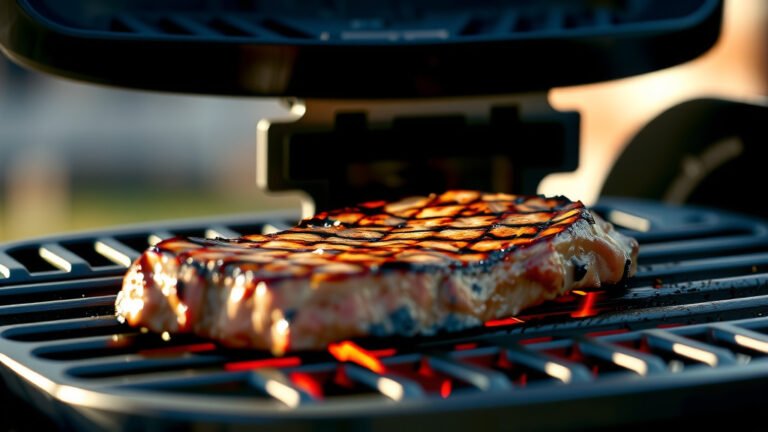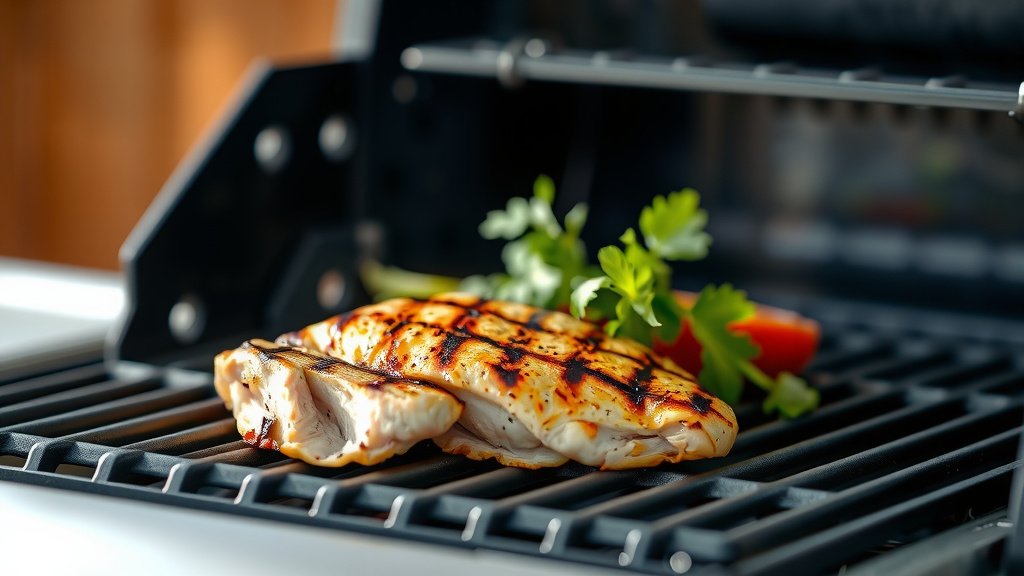
To grill boneless skinless chicken breast on a gas grill, preheat your grill to medium-high (around 400-450°F) and cook for 6-8 minutes per side.
Always aim for an internal temperature of 165°F for safe and juicy chicken.
- Achieve perfect grilled chicken by starting with a preheated grill to medium-high heat.
- Flattening breasts to an even thickness ensures consistent cooking.
- Marinades and brines add flavor and moisture, preventing dryness.
- Cook chicken until it reaches a safe internal temperature of 165°F.
- Rest the chicken after grilling for juicier results every time.
How To Grill Boneless Skinless Chicken Breast On Gas Grill?
Grilling boneless, skinless chicken breast on a gas grill means you are aiming for a tender, juicy result, not a dried-out hockey puck. It’s truly achievable with a few straightforward steps.
Why Boneless, Skinless Chicken Breast?
Boneless, skinless chicken breast is a popular choice for grilling. It’s lean, cooks relatively quickly, and acts like a blank canvas for flavors.
Many people appreciate its versatility for various meals and dietary needs. We found that its low fat content makes it a healthy option (Mayo Clinic).
Getting Started: Your Essential Checklist
Before you even think about lighting that grill, a little preparation goes a long way. Having your tools ready makes the whole process smoother.
- Boneless, skinless chicken breasts
- Meat mallet or heavy pan
- Sharp knife
- Cutting board
- Instant-read meat thermometer
- Tongs
- Grill brush
- Oil for grates (high smoke point like canola or grapeseed)
- Seasonings or marinade
Preparing Your Chicken for Grilling
First, unwrap your chicken breasts and pat them completely dry with paper towels. Excess moisture can prevent a good sear and create steam, which you don’t want on the grill.
Then, trim off any visible fat or dangling pieces. This helps with even cooking and a cleaner presentation.
Pounding for Perfection
Chicken breasts often vary in thickness, which is a major culprit for uneven cooking. Some parts finish fast while others are still raw, or worse, dry out before the thickest part cooks through.
To fix this, place each chicken breast between two sheets of plastic wrap. Using a meat mallet or a heavy pan, gently pound the thicker parts until the entire breast is about 3/4 inch thick. This small step makes a huge difference, ensuring every bite is cooked perfectly (USDA).
The Magic of Marinades and Brines
Want flavorful and moist chicken? Don’t skip this step. Marinating for at least 30 minutes, or even a few hours, adds incredible depth.
A simple marinade includes oil, an acid (lemon juice, vinegar), and your favorite herbs and spices. Alternatively, a brine (salt water solution) helps chicken retain moisture, especially helpful for lean cuts.
We found that brining can make chicken breast noticeably more tender and juicy.
Preheating Your Gas Grill: The First Step to Success
Think of your grill as an oven; you wouldn’t put a cake in a cold oven, right? The same goes for grilling chicken. Preheating is essential for a good sear and to prevent sticking.
Turn on all your burners to high and close the lid. Let it preheat for 10-15 minutes until it reaches your target temperature.
Temperature Matters
For boneless, skinless chicken breast, you’re looking for medium-high heat, which is typically between 400°F and 450°F. If your grill has a thermometer, use it. If not, a quick hand test can give you an idea of the heat.
A good rule is that you should only be able to hold your hand over the grates for about 3-4 seconds at medium-high heat.
Grilling Time: How Long to Cook Chicken Breast?
This is where many people get nervous, but it’s simpler than you think. Once your grill is hot and clean, lightly oil the grates to prevent sticking.
Place your prepared chicken breasts directly over the heat. Remember, you’re aiming for a consistent cooking time.
Here’s a general guide for grilling times:
| Chicken Breast Thickness | Total Cook Time (Estimated) | Temperature Setting |
|---|---|---|
| 3/4 inch (Pounded) | 12-16 minutes | Medium-High (400-450°F) |
| 1 inch | 14-18 minutes | Medium-High (400-450°F) |
The Flip Factor
Cook the chicken for 6-8 minutes on the first side. Don’t touch it! Let it develop a nice sear and grill marks. Then, flip it once and cook for another 6-8 minutes on the second side.
Resist the urge to flip constantly. That initial sear is important for flavor and preventing sticking.
Checking for Doneness: No More Guessing
The only reliable way to tell if your chicken is done is with an instant-read meat thermometer. Insert it into the thickest part of the breast, avoiding any bones (if they were present, but not here).
Chicken is safely cooked when it reaches an internal temperature of 165°F (74°C). Don’t rely on color alone; sometimes pink can remain even when safe, and sometimes white chicken is still undercooked. Trust your thermometer!
Resting Your Chicken: A Crucial Step
Once your chicken hits 165°F, remove it from the grill immediately. Place it on a clean plate or cutting board and tent it loosely with aluminum foil. Let it rest for 5-10 minutes.
This resting period allows the juices to redistribute throughout the meat, resulting in a significantly more tender and moist piece of chicken. Skipping this step often leads to dry chicken, even if perfectly cooked.
Common Grilling Mistakes to Avoid
Nobody wants a grilling flop. Many common issues are easy to fix once you know what to watch for.
Overcooking is the Enemy
The biggest mistake with chicken breast is overcooking. Since it’s so lean, it dries out quickly past 165°F. Your thermometer is your best friend here, helping you pull it off at just the right moment.
Many experts say that even a few degrees over can mean the difference between juicy and tough.
Sticking to the Grates
Chicken sticking to the grates is frustrating. This often happens if the grill isn’t hot enough, isn’t clean, or isn’t properly oiled. Make sure your grill is sparkling clean and hot before oiling it.
Sometimes, leaving the chicken undisturbed for a few minutes allows it to release naturally when it’s ready to flip.
Flavor Boosters: Beyond Basic Seasoning
While salt and pepper are great, you can elevate your grilled chicken with many other options. Consider a dry rub with paprika, garlic powder, onion powder, and a touch of cayenne for a little kick.
Fresh herbs like rosemary and thyme can also be added to marinades or sprinkled on after grilling for a bright finish. We found that a touch of smoke wood chips can even add a subtle smoky flavor to gas-grilled chicken.
Conclusion
Grilling boneless, skinless chicken breast on a gas grill doesn’t have to be a guessing game or lead to dry, unappealing results. By taking a few extra steps—like pounding for even thickness, using a marinade or brine, and always checking with a meat thermometer—you can achieve perfectly juicy and flavorful chicken every time. Remember to preheat your grill, cook to the right internal temperature, and always let it rest. You’ll be grilling like a pro in no time, making healthy and delicious meals a regular part of your routine!
Can I grill frozen boneless chicken breast?
It’s generally not recommended to grill boneless chicken breast directly from frozen. Thawing ensures even cooking and prevents the outside from burning before the inside is safely cooked. Always thaw chicken completely in the refrigerator before grilling (USDA).
What causes my grilled chicken to be dry?
Dry grilled chicken usually results from overcooking or not letting the chicken rest after grilling. Cooking past 165°F will quickly dry out lean chicken breast. The resting period allows juices to redistribute, keeping the meat moist.
How do I prevent chicken from sticking to the grill?
To prevent sticking, ensure your grill grates are clean and hot before you start. Lightly oil the grates with a high-smoke-point oil (like canola or grapeseed oil) right before placing the chicken. Also, avoid moving the chicken too soon; let it sear for a few minutes until it naturally releases.
Is it better to marinate chicken overnight?
Marinating chicken overnight (8-12 hours) is often beneficial, especially for flavor penetration and tenderization. However, 30 minutes to a few hours can also make a significant difference. Avoid marinating for more than 24 hours, especially with acidic marinades, as it can start to break down the meat too much.
What is the safest way to check chicken doneness without a thermometer?
There is no truly safe or accurate way to check chicken doneness without a meat thermometer. Visual cues like clear juices or white meat are unreliable and can lead to undercooked or overcooked chicken. An instant-read thermometer is a kitchen essential for food safety and optimal results.