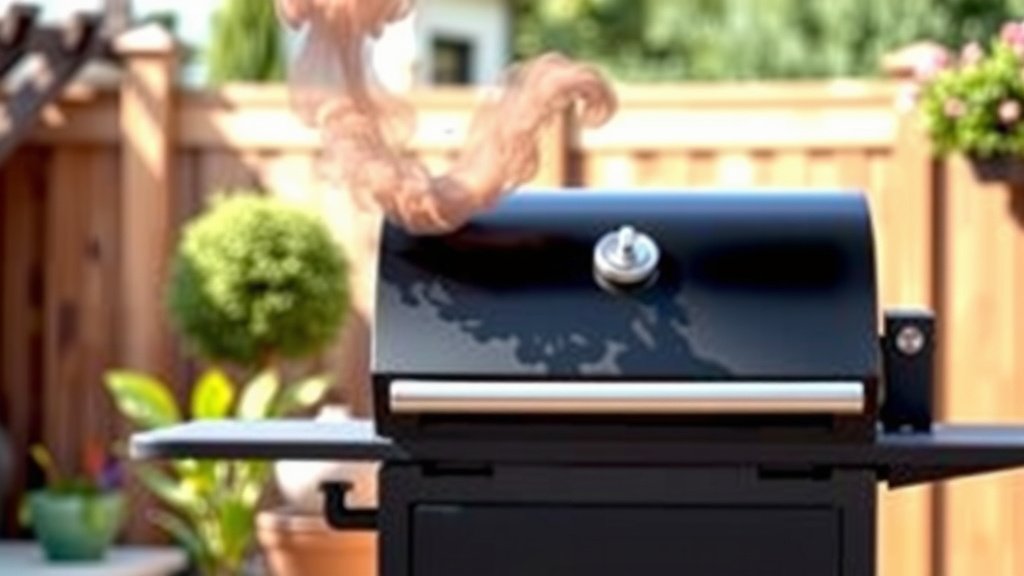
To get more smoke out of a pellet grill, extend the time your food spends at lower temperatures, typically in the “smoke setting” between 180°F and 225°F, or use a dedicated smoke tube.
You can also boost smoke by choosing specific wood pellet types, ensuring your grill is clean, and avoiding frequent lid opening to maintain consistent heat and smoke.
- For more smoke, try adding a smoke tube or box.
- Keep your grill temperature low, ideally between 180-225°F.
- Experiment with richer wood pellet flavors like hickory or mesquite.
- Regularly clean your grill to maintain optimal performance and airflow.
- Give your food enough time on the grill; low and slow cooking enhances smoke absorption.
How To Get More Smoke Out Of A Pellet Grill?
Getting more smoke from your pellet grill means focusing on temperature, accessories, and pellet choices. Many experts say that lower temperatures encourage more smoke production from the pellets.
You want that delicious, smoky flavor, right? Let’s dive into how you can achieve it without overthinking.
Understanding Pellet Grill Smoke
Pellet grills operate differently than traditional stick burners. They use an auger to feed wood pellets into a burn pot, creating consistent, indirect heat.
This efficiency sometimes means less visible smoke than you might expect. But don’t worry, there are ways to get that deep, smoky taste.
The “Smoke Setting” Sweet Spot
Many pellet grills have a specific “smoke setting” or operate best for smoke between 180°F and 225°F. This lower temperature range helps the pellets smolder more slowly.
When pellets smolder, they produce more of that desirable “thin blue smoke.” This is the kind of smoke that imparts great flavor, unlike thick white smoke, which can taste bitter.
The Magic of Smoke Tubes and Boxes
Want a straightforward smoke boost? A smoke tube or smoke box is your best friend. These simple accessories burn pellets or wood chips slowly, separate from your grill’s main burn pot.
You just fill them, light one end, let it burn for a few minutes, then blow out the flame. They will smolder for hours, adding constant smoke to your food.
Choosing Your Smoke Accessory
Smoke tubes are often made of perforated metal and shaped like a cylinder. Smoke boxes are typically solid metal with vents. Both work well, so pick what fits your grill space best.
Many grill enthusiasts keep one handy for those times when a dish needs an extra punch of smoky goodness. It’s like having a little smoke generator right inside your grill.
Choosing the Right Wood Pellets
Not all wood pellets are created equal when it comes to smoke. Different wood types offer varying flavor profiles and smoke intensities. Some woods naturally produce more smoke than others.
We found that denser woods tend to create richer smoke. Experimenting with various types can make a real difference in your cooking results.
| Pellet Type | Smoke Flavor | Typical Intensity |
|---|---|---|
| Apple | Mild, fruity | Light |
| Cherry | Sweet, subtle | Medium-Light |
| Pecan | Nutty, rich | Medium |
| Hickory | Bold, bacon-like | Strong |
| Mesquite | Earthy, intense | Very Strong |
Blending Pellets for Custom Smoke
Don’t feel limited to a single pellet type. Many pitmasters enjoy blending different pellets to create unique flavor combinations. Try mixing a milder wood with a stronger one.
For example, a 70/30 blend of oak and mesquite can provide a deep smoke without overpowering your food. It’s a fun way to customize your cooking experience.
Cleanliness: A Smoker’s Secret Weapon
A dirty grill can hinder smoke production. Ash buildup in the burn pot or grease on the grates can block airflow, leading to incomplete pellet combustion and less smoke.
Regularly cleaning your pellet grill ensures it operates efficiently. This means emptying the ash pot and cleaning the grates before each cook, or at least every few cooks.
Optimal Airflow for Better Smoke
Smoke needs to circulate properly around your food for the best flavor. Make sure your grill’s vents are not blocked. Good airflow means a more even distribution of smoke.
Sometimes, simply checking your grill’s exhaust stack can reveal a blockage. Clear pathways let that beautiful smoke do its job.
The Role of Temperature in Smoke Production
Think of it this way: low temperatures cause pellets to smolder. Higher temperatures make them burn faster and cleaner, producing heat but less smoke.
If you set your grill above 275°F, you’ll likely notice less smoke. For serious smoke flavor, try to keep your initial cooking phase low and slow.
Don’t Peek! Maintaining Consistency
Every time you open the grill lid, you lose heat and, more importantly, you lose smoke. This interruption can affect the cooking process and your final smoke flavor.
Resist the urge to constantly check your food. Let the grill do its work. Use a good probe thermometer if you need to monitor internal temperatures without opening the lid.
The Water Pan Trick (Sometimes)
Some grillers swear by adding a water pan to their pellet grill. A pan of water can introduce moisture into the cooking chamber, which can help smoke adhere to the meat better.
It also helps regulate temperature, creating a more stable environment for low-and-slow smoking. This is often recommended for longer cooks, like briskets or pork butts.
Your Smoke-Boosting Toolkit Checklist
Ready to get that extra smoky goodness? Here’s a quick guide to make sure you’re set for success:
- Utilize a smoke tube or box for added smoldering.
- Operate your grill at 180-225°F for maximum smoke.
- Select strong, flavorful wood pellets like hickory or mesquite.
- Ensure your grill’s burn pot and grates are clean.
- Minimize opening the grill lid during smoking sessions.
Conclusion
Achieving more smoke from your pellet grill doesn’t have to be a mystery. By understanding the basics of how these grills work and applying a few simple techniques, you can significantly enhance your food’s smoky flavor.
Whether you’re using a smoke tube, experimenting with pellet blends, or simply maintaining your grill, these steps will help you create barbecue that truly stands out. Go ahead, fire up that grill and enjoy the journey to smoky perfection!
How do smoke tubes work with a pellet grill?
Smoke tubes work by holding a small amount of wood pellets or chips, which you ignite. Once lit, they smolder slowly for several hours, producing continuous smoke independently of your grill’s main heat source, thus adding extra smoke flavor to your food.
Can changing pellet brands affect smoke output?
Yes, changing pellet brands can absolutely affect smoke output and flavor. Different brands use varying wood blends and manufacturing processes, which can impact how cleanly or densely the pellets burn, directly influencing the amount and quality of smoke produced.
Is more smoke always better for grilling?
Not always; “more smoke” isn’t necessarily better. You want “good smoke,” which is typically thin and blue. Too much thick, white smoke can give food a bitter, acrid taste. The goal is a balanced smoky flavor, not an overwhelming one.
Does grill size impact how much smoke I get?
Grill size can indirectly impact smoke. Larger grills might require more smoke output to adequately flavor food, especially if cooking a lot. However, the fundamental principles of low temperatures and smoke accessories remain the most influential factors, regardless of grill size.
Should I pre-soak wood pellets for more smoke?
No, you should never pre-soak wood pellets. Unlike wood chips, pellets are compressed sawdust and will turn to mush if soaked, making them unusable in your grill’s auger system. Always use dry pellets for proper operation and smoke production.