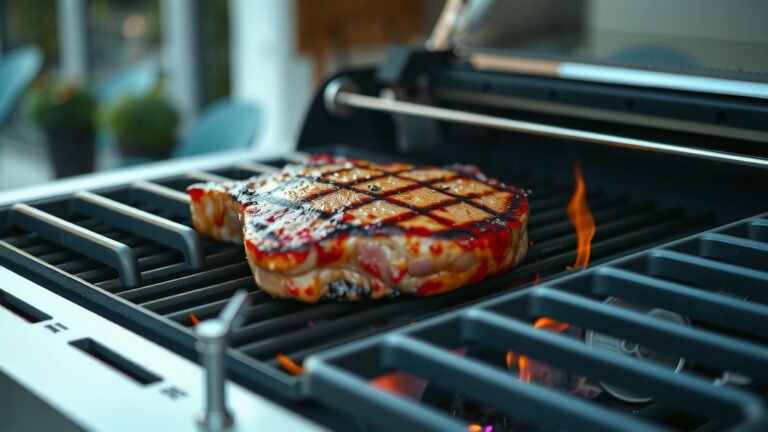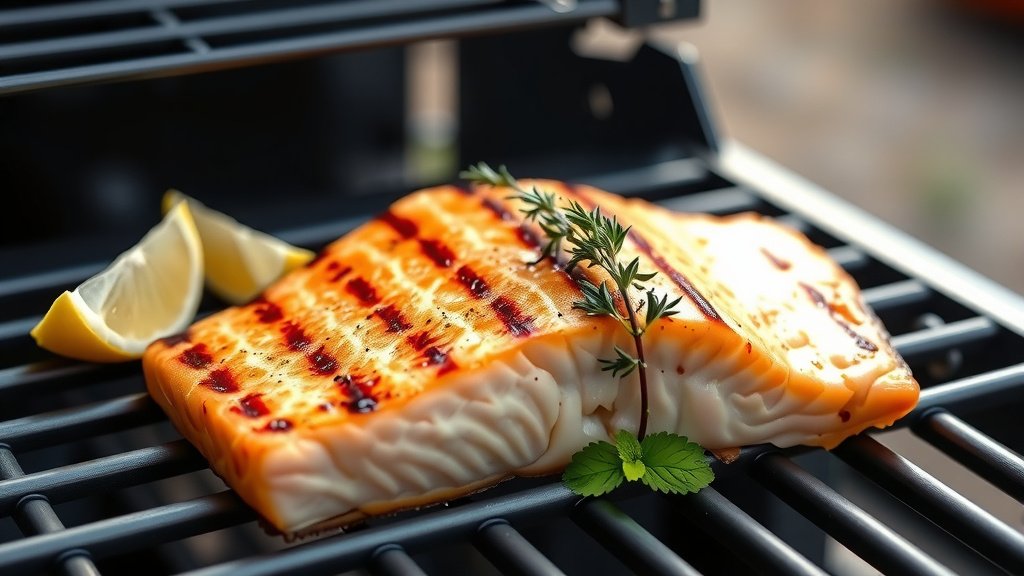
To gas grill salmon, preheat your grill to medium-high (around 400-450°F), lightly oil the grates, and cook skin-side down first for 6-8 minutes.
Flip the salmon carefully and grill for another 3-5 minutes, or until the internal temperature reaches 145°F and it flakes easily.
- Choose fresh, thick salmon fillets for best results.
- Preheat your gas grill to a medium-high temperature for even cooking.
- Oil your grill grates well to prevent sticking, a common pitfall.
- Cook salmon skin-side down first, then flip once.
- Aim for an internal temperature of 145°F for perfectly cooked, juicy fish.
How To Gas Grill Salmon?
Grilling salmon on a gas grill offers a wonderful way to achieve a flaky, flavorful fillet with a beautiful crust. It’s quite simple when you know the right steps.
You can get amazing results with just a few straightforward techniques and a watchful eye on your cooking.
Why Choose Gas Grilling for Salmon?
When you think about grilling fish, your gas grill is a fantastic option. It gives you precise control over heat, which is really important for delicate foods like salmon.
Many experienced grillers find that gas grills allow for a more consistent cook, avoiding the hot spots you might get with charcoal.
The Speed Advantage
One clear benefit of gas grilling is its speed. Your grill heats up quickly, meaning less waiting and more cooking. This is perfect for weeknight meals when you’re short on time.
You can go from zero to sizzling in just 10-15 minutes, which is a real time-saver for any busy cook.
Temperature Control is Key
With a gas grill, you can easily adjust the flame to maintain a steady temperature. This control helps prevent overcooking, keeping your salmon moist and tender.
We found that maintaining a consistent medium-high heat is a real difference maker for evenly cooked fish (Cook’s Illustrated).
Selecting Your Perfect Salmon Fillet
The journey to amazing grilled salmon begins with choosing the right fish. Don’t underestimate this first step; quality makes a big difference.
Look for salmon that appears fresh and vibrant; it’s the foundation of a delicious meal.
What to Look For at the Store
When you’re at the seafood counter, examine the salmon carefully. You want fillets that are bright orange-pink, firm to the touch, and smell fresh, not “fishy.”
Avoid any fillets that look dull, discolored, or have dry edges. Freshness really matters for flavor and texture.
Skin-On vs. Skin-Off Decisions
For gas grilling, we highly recommend choosing salmon with the skin on. The skin acts as a natural barrier, protecting the delicate flesh from direct heat and preventing it from sticking to the grates.
It also gets wonderfully crispy, adding a lovely texture to your meal, so don’t skip it if you can help it.
Essential Tools and Prep Steps
Before you even light the grill, a little preparation goes a long way. Gathering your tools and prepping your fish ensures a smooth grilling experience.
Think of it like setting the stage for your culinary masterpiece.
Grill Setup Checklist
Having everything ready before you start cooking can prevent last-minute rushes and stress. Here’s a quick checklist:
- Clean grill brush
- Long-handled tongs
- Wide, sturdy metal spatula (for flipping)
- Oil for grates (high smoke point oil like canola or grapeseed)
- Meat thermometer
- Your seasoned salmon fillets
Seasoning Your Salmon
Salmon has a rich, natural flavor, so you don’t need to do too much. A simple blend of salt, pepper, and a little something extra often works best.
Here are some popular seasoning options to get you started:
| Seasoning Type | Key Ingredients | Flavor Profile |
|---|---|---|
| Classic Simple | Salt, black pepper | Highlights salmon’s natural taste |
| Lemon-Dill | Salt, pepper, fresh dill, lemon zest | Bright, herbaceous, fresh |
| Garlic-Herb | Salt, pepper, garlic powder, dried parsley | Savory, aromatic |
| Sweet & Spicy | Brown sugar, paprika, cayenne pepper | Smoky, subtle kick |
Always pat your salmon dry with paper towels before seasoning. This helps the seasoning stick and helps create a better crust.
Mastering the Grill Temperature
Getting your grill to the right temperature and keeping it there is truly a secret weapon for perfectly grilled salmon. Don’t just guess; use your grill’s thermometer.
A properly preheated grill ensures even cooking and prevents your fish from sticking.
Preheating for Success
Start by cleaning your grill grates thoroughly with a wire brush. Then, turn your gas grill to medium-high heat, aiming for a temperature between 400-450°F (about 200-230°C).
Allow it to preheat with the lid closed for 10-15 minutes. This ensures the grates are hot enough to create a beautiful sear.
Maintaining Consistent Heat
Once preheated, you might need to adjust the burners slightly to maintain that medium-high range. If your grill has multiple burners, you can use a two-zone setup, but for salmon, direct medium-high heat usually works well.
Keep the lid closed as much as possible to keep the heat consistent inside the grilling chamber.
The Grilling Process: Step-by-Step
Now that your salmon is prepped and your grill is hot, it’s time for the main event. Follow these steps for excellent results every time.
This process is designed to give you a lovely, crispy skin and a moist interior.
Oiling Your Grates
Right before you place the fish, lightly oil your hot grill grates. Use a paper towel dipped in high-smoke-point oil, held with tongs. This step is non-negotiable for preventing sticking.
Some people also lightly oil the skin side of the salmon for extra insurance.
First Side Down: Skin-On Advantage
Place your salmon fillets skin-side down on the oiled grates. Close the lid and cook for 6-8 minutes. During this time, the skin will crisp up, and the fish will cook most of the way through from the bottom up.
You’ll notice the color change as the heat moves up the fillet. Don’t peek too often!
The Gentle Flip
After 6-8 minutes, it’s time to flip. Use a wide, sturdy spatula, sliding it gently under the skin. You might need a second smaller spatula or tongs to help support the fillet as you turn it.
If the skin sticks, give it another minute. It’s not ready to release if it’s clinging.
Checking for Doneness
Once flipped, cook for another 3-5 minutes, or until the internal temperature reaches 145°F (63°C) when measured in the thickest part (USDA). The flesh should flake easily with a fork.
Remove the salmon immediately once it hits this temperature to avoid overcooking and drying out the fish.
Common Gas Grilling Salmon Mistakes to Avoid
Even seasoned grillers can make small errors. Knowing what to watch out for can save your delicious salmon from a less-than-perfect fate.
These simple tips help you avoid the most frequent pitfalls.
Overcooking is a No-Go
Salmon cooks quickly, and even a minute or two too long can turn it dry and tough. Always use a meat thermometer; it’s your best friend here.
Many experts say that taking it off just shy of 145°F (knowing it will continue to cook a bit off the heat) can give you the best texture.
Sticking Woes
A primary complaint is salmon sticking to the grill. This usually happens if the grill isn’t hot enough, isn’t properly cleaned, or wasn’t oiled before the fish went down.
Make sure your grates are screaming hot and well-oiled; those two things solve most sticking problems.
Serving Your Delicious Grilled Salmon
Once your perfectly grilled salmon is off the heat, let it rest for a couple of minutes. This allows the juices to redistribute, ensuring a moist and flavorful bite.
A simple presentation often speaks volumes for such a tasty dish.
Serve with fresh lemon wedges, a sprinkle of fresh parsley or dill, and your favorite side dishes. Grilled asparagus or a light quinoa salad make wonderful companions.
Conclusion
Grilling salmon on your gas grill doesn’t have to be intimidating. By following these straightforward steps, from selecting the right fillet to mastering your grill’s temperature, you’re set for success.
Remember, a hot, oiled grill and a meat thermometer are your best allies for achieving a beautifully cooked, flaky, and moist salmon every time. Enjoy your delicious creation!
How do I prevent salmon from sticking to the gas grill?
To prevent sticking, ensure your grill grates are clean, preheated to a medium-high temperature (400-450°F), and well-oiled just before placing the salmon. Cooking skin-side down first also helps create a protective barrier.
What is the ideal internal temperature for grilled salmon?
The ideal internal temperature for grilled salmon is 145°F (63°C) when measured at the thickest part of the fillet (USDA). It should also flake easily with a fork.
Should I grill salmon with the skin on or off?
It’s generally recommended to grill salmon with the skin on. The skin acts as a protective layer, helping to keep the flesh moist and preventing it from sticking to the grates. Plus, crispy grilled skin is a treat!
How long does it take to grill salmon on a gas grill?
Typically, salmon cooks in about 9-13 minutes total on a gas grill preheated to medium-high. Grill skin-side down for 6-8 minutes, then flip and cook for another 3-5 minutes, or until it reaches 145°F internal temperature.
Can I use aluminum foil to grill salmon on a gas grill?
Yes, you can grill salmon on aluminum foil. This method is great for preventing sticking and for infusing flavor by creating a packet with herbs and liquids. Just make sure to create a few vents for steam to escape.