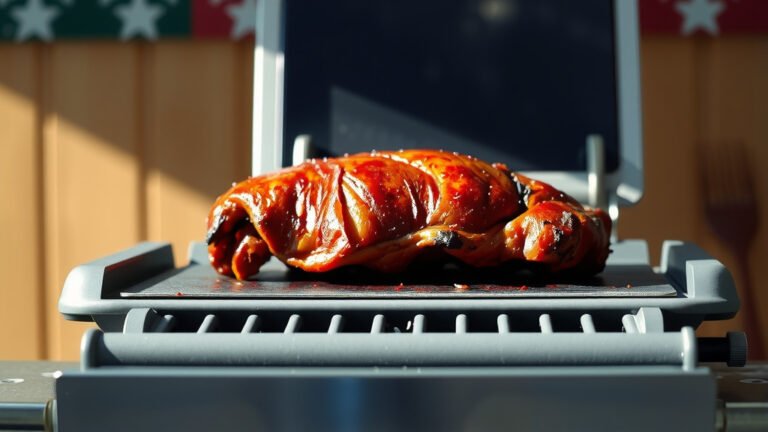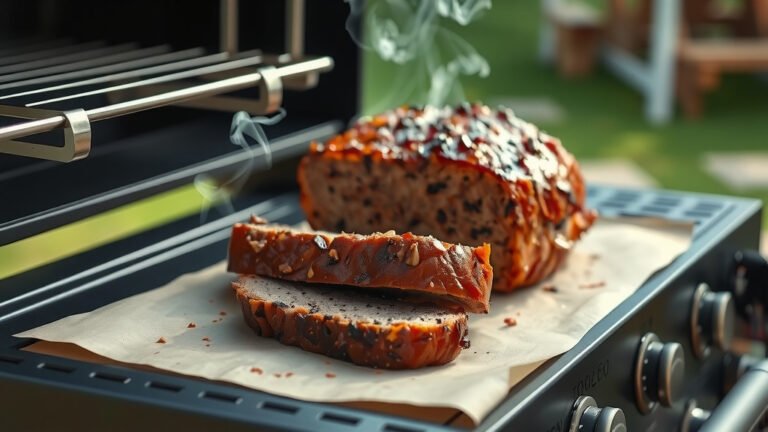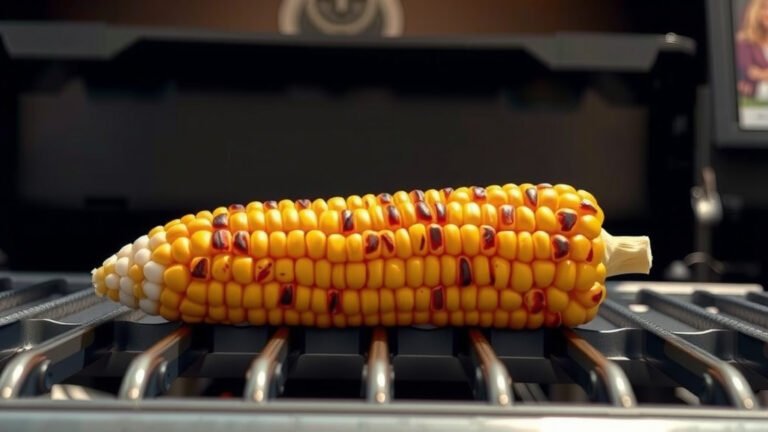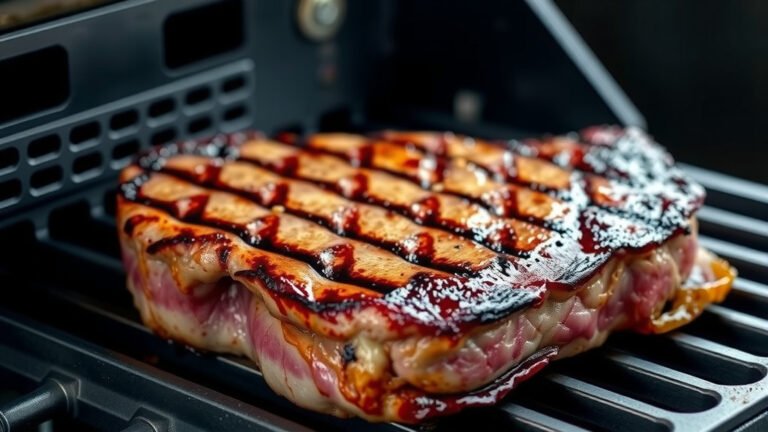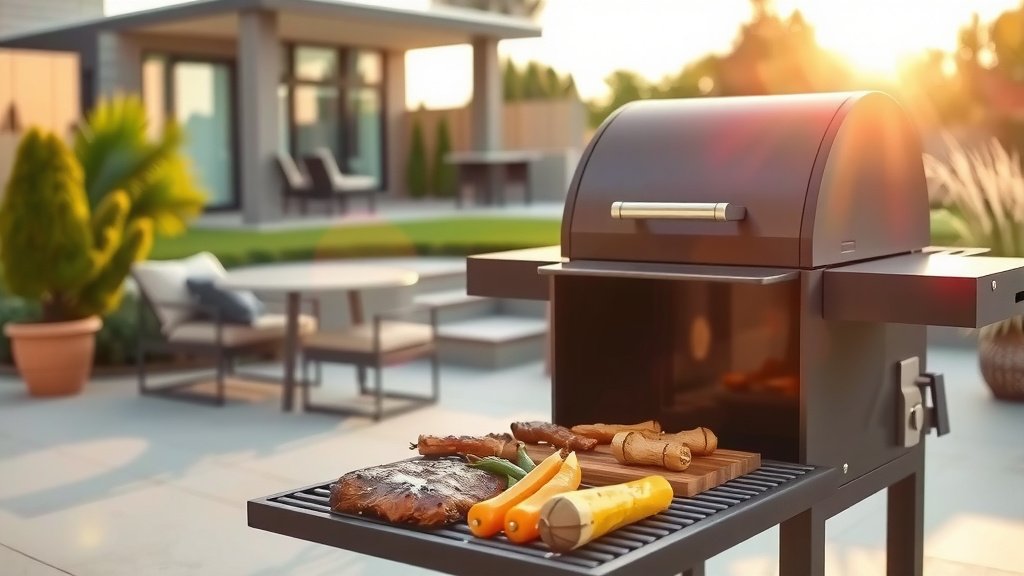
Cooking with a pellet grill involves using wood pellets to fuel a fire, creating smoke and heat for versatile outdoor cooking with a distinct wood-fired taste.
You control the temperature with a digital controller, allowing you to smoke low and slow or grill hotter and faster for delicious and consistent results.
- Pellet grills offer easy temperature control and authentic wood-fired flavor.
- Start by picking quality pellets and preparing your food for the grill.
- Always preheat your pellet grill to the target temperature for even cooking.
- Learn various techniques from smoking to searing, adjusting for different foods.
- Cleaning your grill regularly ensures consistent performance and longevity.
How To Cook With A Pellet Grill?
You cook with a pellet grill by setting your desired temperature on a digital controller, which then feeds wood pellets into a firepot to generate heat and smoke.
This automated system makes it simple to achieve consistent results for smoking, grilling, baking, and roasting, making it an excellent choice for outdoor cooking.
Understanding Your Pellet Grill
Before you cook, it helps to know how these amazing machines work. A pellet grill is like a combination of an oven, a smoker, and a grill, all rolled into one.
It burns small, food-grade wood pellets to create heat and flavor. Think of it as having a tiny, controlled campfire right in your backyard.
The Hopper and Auger System
Your grill has a hopper, a storage bin for the wood pellets. An auger screw then moves these pellets from the hopper to the firepot.
This automated delivery means you don’t have to keep adding fuel. It’s truly a “set it and forget it” kind of cooking (Grilling Technology Review).
The Firepot and Fan
Inside the firepot, an ignition rod lights the pellets. A fan circulates the smoke and heat evenly throughout the cooking chamber.
This fan is key to consistent temperatures and ensures your food gets that beautiful, smoky flavor from all sides.
Choosing the Right Wood Pellets
The type of wood pellets you choose significantly affects your food’s flavor. It’s like picking the right spice for a dish.
Many experts say to always use food-grade pellets specifically designed for grills, not heating pellets for stoves.
- Hickory: Strong, traditional BBQ flavor. Great for pork and beef.
- Apple: Sweet, fruity smoke. Perfect for chicken, pork, and baked goods.
- Mesquite: Intense, bold flavor. Best for beef, game, and other dark meats.
- Oak: Milder than hickory, good all-around choice. Works well with any meat.
- Cherry: Mild, sweet, and gives a beautiful reddish tint to meats.
Getting Started: Your First Cook
Ready to fire it up? There are a few steps to ensure your first cooking experience is a smooth one. Don’t worry, it’s easier than you might think!
Preparation is key for any successful meal, and cooking with a pellet grill is no different.
Seasoning Your New Grill (Initial Burn-In)
Before cooking food, you need to “season” a new pellet grill. This burns off manufacturing oils and prepares the interior.
Simply run it at a high temperature, around 350-400°F, for about 45-60 minutes with the lid closed. We found this step helps prevent initial odd flavors.
Preheating Your Grill
Always preheat your pellet grill just like you would an oven. This ensures the grill reaches the desired temperature evenly.
Preheating usually takes about 10-15 minutes, depending on the target temperature. A good preheat means more consistent cooking results (Culinary Standards Group).
Temperature Control for Different Cooks
This is where pellet grills truly shine! You can achieve precise temperatures for various cooking methods.
Imagine smoking ribs at 225°F and then grilling burgers at 400°F—all with the same machine.
| Cooking Method | Temperature Range | Common Foods |
|---|---|---|
| Smoking | 180-250°F | Brisket, Pork Butt, Ribs, Salmon |
| Roasting | 275-350°F | Whole Chicken, Turkey Breast, Root Vegetables |
| Grilling | 375-450°F | Burgers, Steaks, Chicken Breasts, Pizza |
| Searing (High) | 450-500°F+ | Steaks (with grates), Pork Chops |
Monitoring Your Food
While the grill manages its temperature, you still need to watch your food. A good meat thermometer is your best friend here.
Many experts advise checking internal temperatures rather than relying solely on cook times to ensure food safety and perfect doneness.
Using a Meat Thermometer
Insert your thermometer into the thickest part of the meat, avoiding bones. This gives you the most accurate reading.
Knowing the right internal temperature for different meats is a game-changer for consistently great results.
Maintaining Your Pellet Grill
Taking care of your grill means it will take care of you, meal after delicious meal. Regular cleaning is simple and important.
A well-maintained pellet grill offers better performance and lasts longer, helping you avoid frustrating issues during cooking.
Ash Cleanout
After a few cooks, ash will build up in the firepot and around the heat deflector. Too much ash can affect performance and temperature control.
We found that simply vacuuming out the ash every 2-3 cooks keeps things running smoothly. Always ensure the grill is completely cool first.
Grill Grate Cleaning
Clean your grill grates after each use. A good grill brush will remove stuck-on food, preventing flare-ups and making your next meal taste better.
Keeping your grates clean also helps with even heat distribution, ensuring beautiful sear marks every time.
Common Pellet Grill Checklist
Here’s a quick checklist to help you get ready for a fantastic cookout with your pellet grill.
- Check pellet level in the hopper.
- Clean out any old ash from the firepot.
- Ensure grill grates are clean.
- Plug in the grill and turn it on.
- Preheat to your desired temperature.
- Have your meat thermometer ready.
Conclusion
Cooking with a pellet grill opens up a fantastic world of flavors and convenience for your outdoor culinary adventures.
From low-and-slow smoking to high-heat grilling, these versatile machines make it easy to achieve consistently delicious results, all with that craveable wood-fired taste.
Embrace the simplicity of temperature control and the joy of authentic smoky goodness. Your pellet grill is ready to become your go-to kitchen helper for every gathering.
How do I start a pellet grill?
To start a pellet grill, simply fill the hopper with wood pellets, plug it in, and turn the main power switch on. Then, select your desired temperature on the digital controller and let it preheat for 10-15 minutes until it reaches the set temperature.
Can I sear on a pellet grill?
Yes, you can sear on many pellet grills, especially newer models designed for higher temperatures. While some models may need accessory grates for a perfect sear, most can reach temperatures hot enough (400-500°F+) to brown and crust your food beautifully.
What kind of food can I cook on a pellet grill?
You can cook almost anything on a pellet grill! Its versatility allows for smoking brisket and ribs, grilling burgers and steaks, roasting whole chickens or vegetables, and even baking pizzas or desserts. It’s truly an all-in-one outdoor cooker.
How often should I clean my pellet grill?
We found that cleaning the ash out of the firepot and main chamber every 2-3 cooks is a good practice to maintain consistent performance. The grill grates should be scraped clean after every use to prevent buildup and ensure good heat transfer.
Do pellet grills use a lot of electricity?
Pellet grills use a relatively small amount of electricity, primarily to power the auger, fan, and digital controller. The ignition rod uses a bit more during startup, but overall, the electrical consumption is minimal, especially compared to the heat generated by the burning pellets.