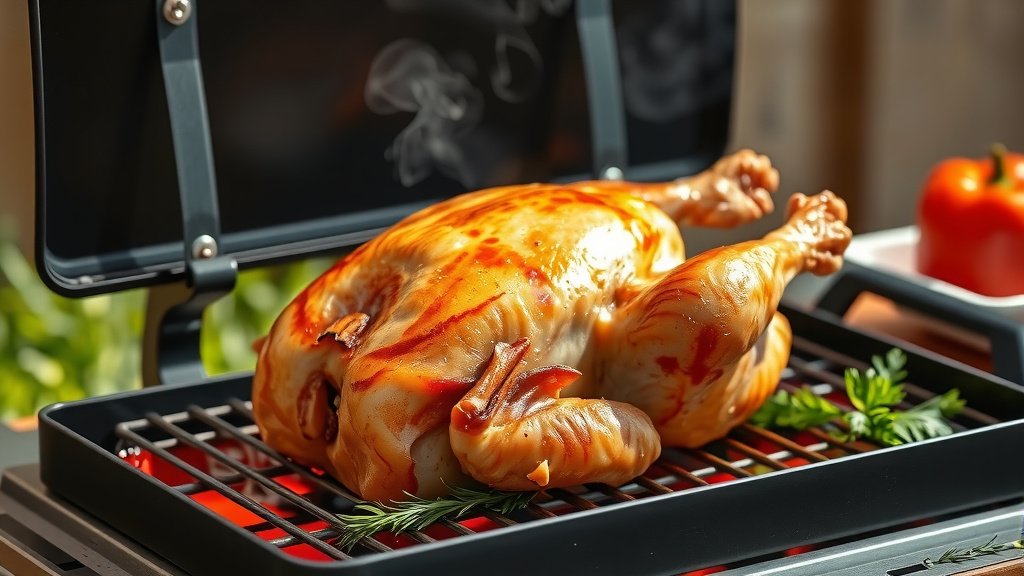
To cook a turkey in a BBQ grill, you’ll need indirect heat, careful temperature management, and a reliable meat thermometer to ensure a safe, delicious bird.
The key steps for how to cook turkey in BBQ grill involve proper preparation, setting up your grill for two-zone cooking, and monitoring the internal temperature until it reaches 165°F (74°C) in the thickest part of the thigh.
Here’s the quick scoop on grilling turkey:
- Thaw properly: Allow ample time for safe thawing in the refrigerator.
- Prep the bird: Brine or rub your turkey for amazing flavor and moisture.
- Setup indirect heat: Crucial for even cooking and preventing burnt spots.
- Monitor temperature: Use a probe thermometer to reach 165°F in the thigh.
- Rest your turkey: Let it rest 20-30 minutes for ultimate juiciness.
How To Cook Turkey In BBQ Grill?
To cook a turkey in a BBQ grill, you will primarily use an indirect heat method, aiming for a consistent grill temperature of 325-350°F (160-175°C).
This approach ensures even cooking, juicy meat, and crispy skin, while monitoring the internal temperature is critical for food safety and delicious results.
Why Grill a Turkey? Unique Flavor and Oven Freedom
Have you ever considered grilling your holiday turkey? Many people stick to the oven, but grilling offers some fantastic advantages.
A grilled turkey often develops a wonderfully smoky flavor and crispy skin that’s simply hard to beat. Plus, it frees up your oven for all those delicious side dishes, which can be a huge help on busy cooking days.
Essential Tools for Grilling Success
Before you even think about placing that bird on the grill, gathering the right tools is a must. Think of it like a chef preparing their mise en place.
You’ll need a good grill (gas or charcoal), charcoal if using, a drip pan, tongs, heat-resistant gloves, and plenty of fuel.
The Power of a Reliable Thermometer
A reliable meat thermometer isn’t just helpful; it’s absolutely essential for food safety and perfect results. You can’t tell if a turkey is done just by looking.
We found that both instant-read and leave-in probe thermometers are great. An instant-read helps for quick checks, while a probe lets you monitor the temperature without opening the grill too often.
Choosing and Preparing Your Turkey
Selecting the right turkey and preparing it properly sets the stage for a delicious outcome. This isn’t a step to rush through.
Careful planning here means less stress and better flavor later on.
Selecting the Right Size
How big should your turkey be? A good rule of thumb is about 1.5 pounds per person. This allows for generous servings and some leftovers, which is always a bonus.
Consider the size of your grill too. A smaller grill might struggle with a very large bird, so sometimes two smaller turkeys are better than one giant one.
Safe Thawing Methods
If you have a frozen turkey, safe thawing is non-negotiable. The refrigerator is the safest method, although it takes time (USDA).
Allow approximately 24 hours of thawing time for every 4-5 pounds of turkey. Place it in a pan to catch any drips, and let it sit in the fridge.
Flavor Building: Brine or Rub?
This is where you infuse your turkey with incredible flavor and moisture. You can choose to brine it or apply a dry rub.
Both methods have their champions, and both can deliver fantastic results depending on your preference. We found that brining often yields a juicier bird, while a rub gives a more concentrated crispy skin flavor.
Dry Brine Checklist
If you choose to dry brine, here’s a simple checklist:
- Turkey: Ensure it’s thawed and patted very dry.
- Salt: Use coarse kosher salt, about 1 tablespoon per 5 pounds of turkey.
- Flavorings: Add black pepper, dried herbs (rosemary, thyme, sage), and garlic powder.
- Application: Rub mixture evenly over the entire turkey, including under the skin.
- Chill: Place on a rack in the fridge for 24-72 hours, uncovered.
Crafting Your Herb Butter Rub
A herb butter rub is another fantastic option for flavor. You combine softened butter with fresh herbs like sage, thyme, and rosemary, plus garlic.
Gently separate the skin from the breast meat and massage this flavorful butter mixture directly onto the meat. Also rub some over the skin for extra crispiness.
Setting Up Your BBQ Grill for Indirect Heat
Indirect heat is the secret to a perfectly grilled turkey. It mimics an oven, allowing the turkey to cook evenly without burning the exterior.
This method prevents direct flame from scorching the delicate skin, leading to a beautifully browned finish.
Charcoal Grill Two-Zone Setup Explained
For a charcoal grill, create a two-zone setup. Pile your hot coals on one side of the grill, leaving the other side empty.
The turkey will cook on the empty side, with a drip pan underneath to catch juices and prevent flare-ups. This setup allows for consistent, gentle heat.
Gas Grill Indirect Cooking Technique
On a gas grill, this is even simpler. Light only the burners on one side of your grill, or the outer burners if you have three or more.
You’ll place the turkey over the unlit burners, again with a drip pan. Adjust the lit burners to maintain that crucial 325-350°F grill temperature.
The Grilling Process: A Step-by-Step Guide
Now for the main event! Grilling a turkey isn’t much harder than roasting, especially with your grill set up correctly.
Patience and accurate temperature monitoring are your best friends here.
Placing Your Turkey on the Grill
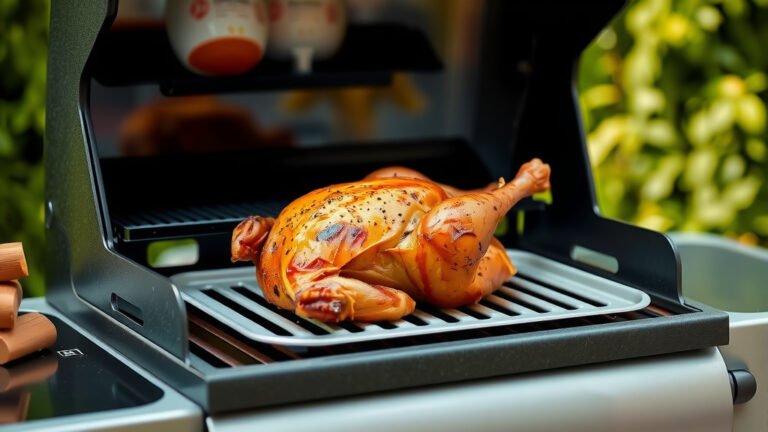
Once your grill is preheated and your indirect heat zone is ready, place the turkey on the grill grate over the drip pan, breast-side up.
Many experts say to ensure it’s centered in the indirect heat zone for the most even cooking. Close the lid quickly to retain heat.
Maintaining Consistent Temperature
Keeping your grill at a steady 325-350°F (160-175°C) is key. For charcoal grills, you might need to add a few new coals every hour or so.
For gas grills, adjust the burner knobs as needed. Try not to open the lid too often; every time you do, heat escapes, extending your cooking time.
Monitoring Internal Doneness
This is arguably the most critical step. You must monitor the turkey’s internal temperature with your meat thermometer.
Research often recommends checking in the thickest part of the thigh, avoiding the bone, and in the thickest part of the breast (FoodSafety.gov). The turkey is done when it reaches 165°F (74°C).
| Turkey Weight (pounds) | Approx. Grill Time (hours) | Internal Temp (Thigh) |
|---|---|---|
| 10-12 | 2.5 – 3 | 165°F (74°C) |
| 12-14 | 3 – 3.5 | 165°F (74°C) |
| 14-16 | 3.5 – 4 | 165°F (74°C) |
| 16-20 | 4 – 5 | 165°F (74°C) |
Ensuring Juiciness: Resting Your Turkey
Once your turkey reaches 165°F, it’s not quite ready for carving. Resting is a vital step often overlooked, but it makes a huge difference.
Remove the turkey from the grill, tent it loosely with foil, and let it rest for at least 20-30 minutes. This allows the juices to redistribute throughout the meat, making it incredibly tender and moist.
Troubleshooting Common Grilling Challenges
Even experienced grill masters face challenges. Don’t worry if things don’t go exactly to plan; there are often simple solutions.
If your skin is browning too quickly, you can loosely tent the turkey with foil. If it’s not browning enough, you might increase the heat slightly towards the end, but watch it closely.
Dealing with uneven cooking might mean adjusting your coals or gas burners to ensure truly indirect heat. Always trust your thermometer.
Conclusion
Cooking a turkey on your BBQ grill can be a truly rewarding experience, offering unique flavors and the convenience of freeing up your indoor oven. By focusing on proper preparation, mastering indirect heat, and diligently monitoring temperatures, you’re well on your way to a fantastic meal.
Remember that a little planning goes a long way. With these practical tips and a reliable meat thermometer, you’ll impress your guests and enjoy a beautifully cooked, juicy turkey right from your grill. Happy grilling!
How long does it take to grill a 15-pound turkey?
A 15-pound turkey typically takes about 3.5 to 4.5 hours to cook on a BBQ grill set for indirect heat at 325-350°F (160-175°C), reaching an internal temperature of 165°F (74°C).
Should I brine my turkey before grilling?
Brining your turkey before grilling is highly recommended. It significantly helps to keep the meat moist and flavorful, especially during the longer cooking times on a grill, preventing it from drying out.
Can I grill a stuffed turkey?
Many food safety guidelines (USDA) advise against grilling a stuffed turkey because it’s very difficult for the stuffing to reach a safe internal temperature of 165°F (74°C) before the turkey meat itself is done. It’s safer to cook stuffing separately.
How do I prevent the turkey skin from burning on the grill?
To prevent the turkey skin from burning, ensure you’re using a true indirect heat setup with a drip pan. If the skin starts to brown too quickly, you can loosely tent the turkey with aluminum foil to shield it from excessive heat.
What is the best type of wood for smoking turkey on a BBQ grill?
For smoking turkey on a BBQ grill, mild fruit woods like apple or cherry are excellent choices, offering a delicate, slightly sweet smoke flavor. Oak or pecan also work well, providing a slightly stronger but pleasant profile that complements poultry without overpowering it.