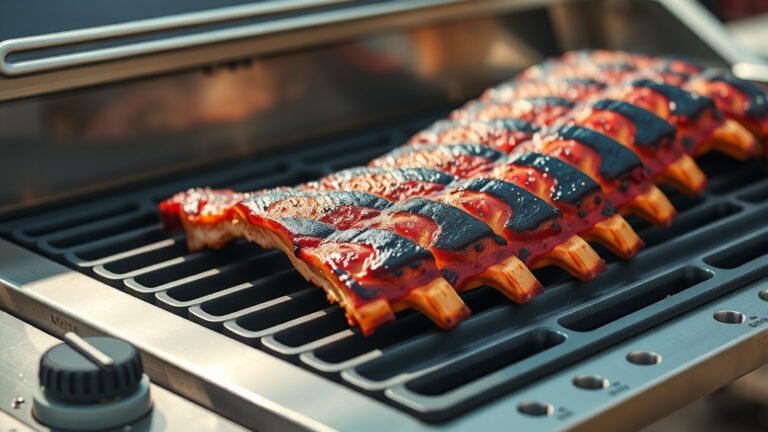
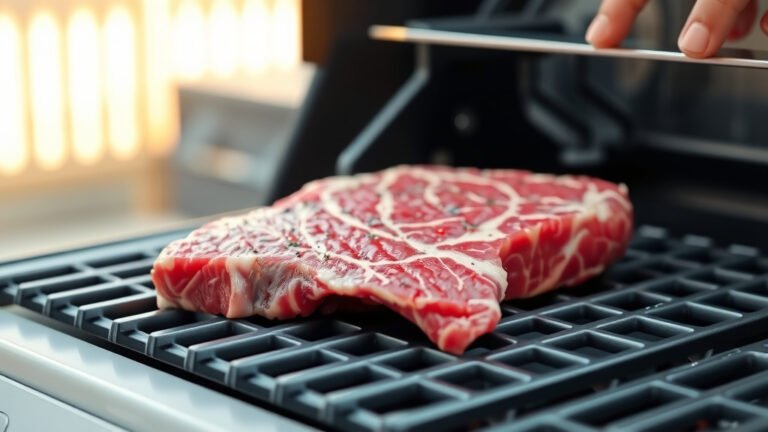
To cook steak on a pellet grill, aim for the “reverse sear” method. This means you will first smoke the steak at a lower temperature to bring it close to your desired doneness, then finish with a high-heat sear for a delicious crust.
You’ll achieve optimal flavor and tenderness by using this two-stage process, ensuring even cooking throughout the steak with a smoky aroma.
Here’s the straightforward answer to getting fantastic steak from your pellet grill:
- Choose a thick steak (1.5 inches or more).
- Season your steak well and let it come to room temperature.
- Smoke at a low temperature (around 225°F) until internal temp is 10-15°F below target.
- Remove steak, crank up the grill to high heat (500°F+), or use a hot cast iron.
- Sear for 1-2 minutes per side to build a beautiful crust.
- Rest your steak for 5-10 minutes before slicing to keep juices locked in.
How To Cook Steak On Pellet Grill?
Cooking steak on a pellet grill involves a simple yet effective technique known as the reverse sear. This method helps you get a perfectly cooked interior with a flavorful, crispy crust.
The Appeal of Pellet Grills for Steak
Pellet grills offer a unique cooking experience. They combine the ease of a gas grill with the rich, smoky flavor of a traditional smoker. For steak, this means you can infuse that beautiful wood-fired taste directly into your meat.
Many grill enthusiasts love how consistent pellet grills are. You set a temperature, and the grill holds it, taking much guesswork out of the cooking process. This consistency is great for even cooking.
Choosing Your Steak: The Foundation of Flavor
Selecting the right cut is important for a delicious pellet grill steak. We found that thicker cuts, around 1.5 to 2 inches, perform best with the reverse sear method. Thicker steaks can absorb more smoke flavor and handle the two-stage cooking process better.
Consider cuts like ribeye, New York strip, or porterhouse. Look for good marbling, which refers to the small flecks of fat within the muscle. Marbling adds juiciness and flavor as it renders during cooking.
Preparing Your Steak for the Pellet Grill
Before any cooking, let your steak sit out at room temperature for about 30-60 minutes. A cold steak cooks unevenly. Bringing it closer to room temperature helps ensure more uniform doneness from edge to edge (Meat Science Institute).
Seasoning is where you make your steak truly yours. A simple application of coarse salt and black pepper is often all you need. Some people like to add garlic powder or a specific steak rub. Don’t be shy with the seasoning; a generous coating builds flavor.
The Reverse Sear Method: A Pellet Grill Favorite
The reverse sear is not just a fancy term; it’s a game-changer for steak. You start by cooking the steak slowly at a low temperature, then finish it quickly with high heat. This creates a tender interior and that incredible, sought-after crust.
Many experts say this method gives you a much wider window for perfection. You have more control over the internal temperature before the final sear. It helps avoid that gray, overcooked band just below the surface.
Step-by-Step Guide: Reverse Searing Your Steak
Preheating Your Grill
Start your pellet grill and set the temperature to a low setting, typically around 225°F to 250°F. Close the lid and let it preheat for about 10-15 minutes until it reaches the set temperature. This stable temperature is key for the initial smoke phase.
The Smoking Phase
Place your seasoned steak directly on the grill grates. Insert a reliable meat thermometer into the thickest part of the steak, avoiding any bones. Close the lid and let the steak smoke until its internal temperature is about 10-15°F below your target doneness. This could take 30-60 minutes depending on steak thickness (USDA).
For example, if you want a medium-rare steak at 130°F, you would pull it off the grill when it reaches 115-120°F. This slow cook infuses that wonderful smoky flavor. We found this low and slow approach prevents overcooking the inside.
The Searing Phase
Once your steak reaches the desired internal temperature, remove it from the grill and set it aside on a cutting board or plate. Now, crank up your pellet grill to its highest setting, usually 450°F to 500°F, or even higher if it has a sear zone. Alternatively, you can use a cast iron skillet, either on the grill or on your stovetop, preheated to screaming hot.
Once the grill or skillet is smoking hot, place the steak back on. Sear for 1-2 minutes per side, creating a beautiful, dark brown crust. You can even sear the edges for extra texture. This quick, high-heat burst is what gives you that irresistible crispy exterior.
Resting Your Steak
After searing, transfer your steak to a clean cutting board. Tent it loosely with foil and let it rest for 5-10 minutes. This resting period is not optional! It allows the juices to redistribute throughout the meat, making every bite more tender and flavorful. If you cut it too soon, those precious juices will run out onto the board.
Target Temperatures for Steak Doneness
Knowing your desired doneness is important for grilling success. Use a good instant-read thermometer for accuracy.
| Doneness Level | Pellet Grill Target Temp (Smoke) | Final Internal Temp (After Rest) |
|---|---|---|
| Rare | 105-110°F | 120-125°F |
| Medium-Rare | 115-120°F | 130-135°F |
| Medium | 125-130°F | 140-145°F |
| Medium-Well | 135-140°F | 150-155°F |
| Well-Done | 145-150°F | 160°F+ |
Pellet Choices for Steak
The type of wood pellets you use can change your steak’s flavor profile. It’s a fun way to experiment and find your favorite combination. Some common choices:
- Hickory: A strong, classic smoke flavor that pairs well with beef.
- Oak: A medium, versatile smoke that enhances the natural beefy taste.
- Mesquite: A very strong, earthy smoke, best used sparingly if you’re new to it.
- Cherry or Apple: Milder, slightly sweet smoke, good for a subtle flavor.
Many experts suggest using hickory or oak for steak. These flavors complement beef without overpowering it. You might even find a blend of woods that suits your taste perfectly.
Achieving the Perfect Crust
That beautiful, dark, and flavorful crust is often called the Maillard reaction. It happens when amino acids and sugars in the meat react under high heat. To get it right:
Ensure your grill grates or cast iron are super hot. Don’t crowd the grill; give each steak room to sear. Pat your steak dry before searing; moisture fights the crust. You can even add a touch of oil with a high smoke point, like avocado oil, directly to the steak or skillet right before searing. This helps create a crispy, delicious exterior.
Common Mistakes to Avoid
We’ve all made mistakes while grilling. Here are a few to watch out for:
Don’t pull your steak too early or too late during the smoke phase. An accurate thermometer is your best friend. Also, resist the urge to constantly flip your steak during searing. Let it develop that crust! Finally, skipping the rest period is a common error; it impacts juiciness more than you might think.
Quick Checklist for Steak Success
Use this handy list to ensure a great steak every time:
- Thick cut steak selected.
- Steak rested at room temperature.
- Generous seasoning applied.
- Pellet grill preheated for low smoke.
- Meat thermometer ready.
- Pellet grill set to high heat for sear.
- Steak rested post-sear.
Conclusion
Cooking steak on a pellet grill using the reverse sear method is a truly rewarding experience. You get to enjoy tender, smoky meat with a fantastic crust, all with less stress than traditional grilling. By choosing the right cut, seasoning well, and following the simple steps of smoking low then searing high, you’re set for success. Remember to let your steak rest, and you’ll be enjoying a delicious meal with friends and family. Happy grilling!
Frequently Asked Questions
Do I need a special sear grate for a pellet grill to cook steak?
While not strictly necessary, a dedicated sear grate or a heavy cast iron skillet can significantly help achieve a better crust. Many pellet grills struggle to reach the very high temperatures needed for a perfect sear on standard grates alone. A cast iron skillet, either on the grill or stovetop, is an effective alternative.
Can I use frozen steak on a pellet grill?
It’s generally not recommended to cook steak directly from frozen on a pellet grill, especially for a reverse sear. Frozen steak will cook unevenly and make it difficult to achieve the desired internal temperature and crust. Always thaw your steak completely in the refrigerator before preparing it for the grill.
How do I prevent my steak from drying out on the pellet grill?
To prevent your steak from drying out, monitor the internal temperature closely with a good thermometer and avoid overcooking. Pull the steak off the low-heat smoke phase when it’s 10-15°F below your final target. Also, make sure to let your steak rest for at least 5-10 minutes after searing; this is important for retaining moisture.
What’s the best way to clean my pellet grill after cooking steak?
After cooking steak, it’s a good idea to brush your grill grates while they are still warm to remove any stuck-on food. For deeper cleaning, allow the grill to cool completely, then remove the grates and clean them with warm soapy water and a stiff brush. Regularly vacuuming ash from the firepot and checking the grease tray will also help maintain your grill.
Can I marinate my steak before cooking it on a pellet grill?
Yes, you can certainly marinate your steak before cooking it on a pellet grill. Marinades can add flavor and tenderize the meat. Just be sure to pat the steak very dry with paper towels before the searing phase. Excess moisture on the surface will hinder the formation of a good crust during high-heat searing.